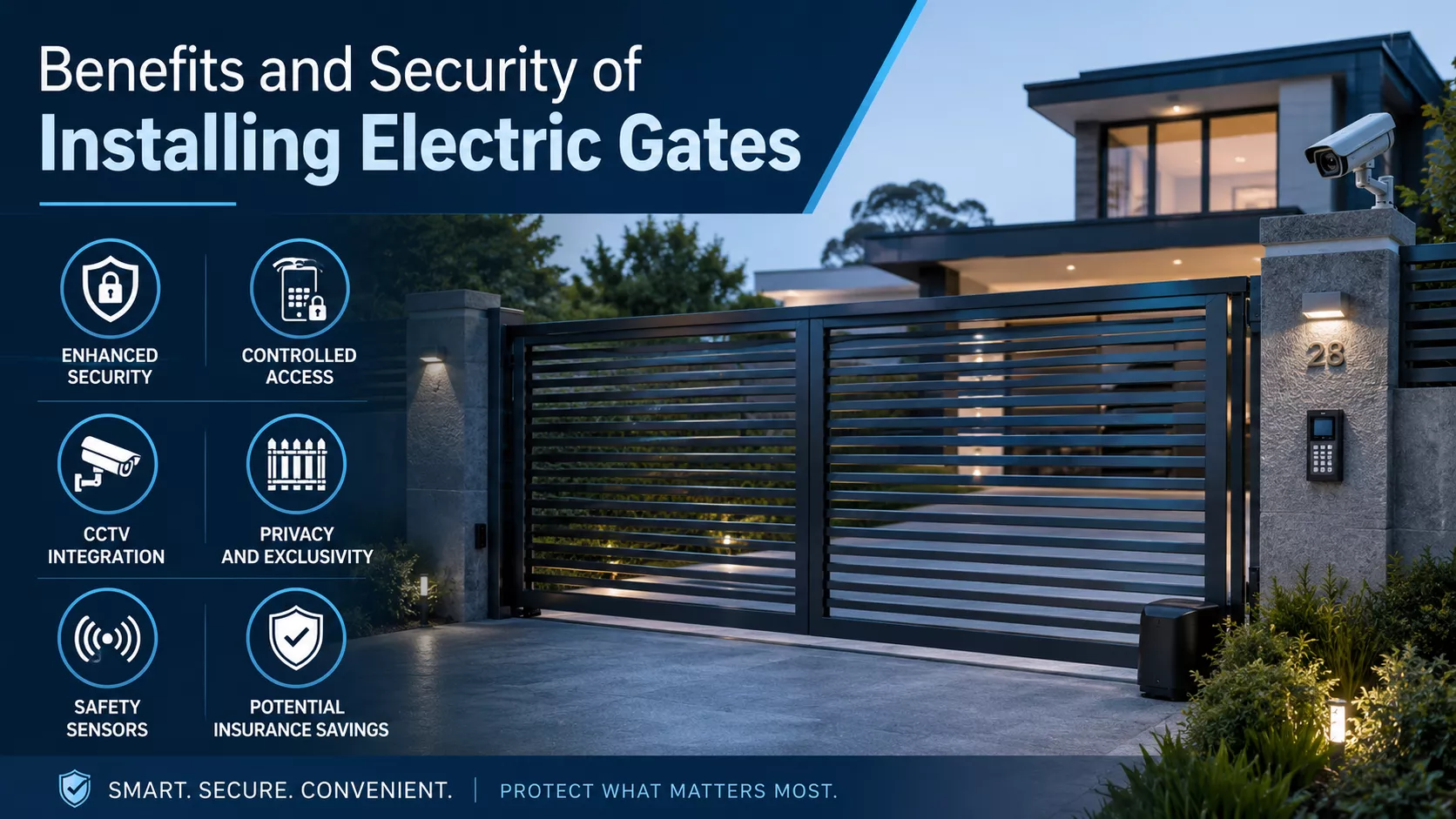
Alleyway gates enhance residential safety by preventing unauthorised access and reducing crime. These gates act as physical and psychological barriers, protecting properties from burglary, fly-tipping, and antisocial behaviour. In urban settings, especially in densely built UK neighbourhoods, alley gating supports community-led crime prevention.
Robust construction, secure locking systems, and anti-climb designs form the core of effective gate security. The design focuses on limiting visibility, controlling movement, and ensuring only authorised users gain entry. These gates also serve as deterrents, removing access points often exploited by intruders.
Local councils and crime reduction units have adopted gating schemes as part of wider defensible space strategies, supported by residents through keyholder control and shared upkeep. By incorporating surveillance, strategic placement, and long-lasting materials, alleyway gates contribute directly to a safer built environment.
Table of Contents
What are the most secure lock and latch options for alleyway gates?
Locks and latches determine how secure and user-friendly an alleyway gate is. The right mechanism can prevent forced entry, allow safe resident access, and resist tampering. Choosing the proper lock depends on gate material, access requirements, and the threat level.
Common Types of Locks Used in Alleyway Gates:
- Automatic deadlocking: These mortise latches secure automatically once the gate shuts. They offer a tamper-resistant, hands-free solution ideal for communal gates.
- High-strength locks: Heavy-duty padlocks and integrated gate locks provide maximum resistance against cutting or bolt attacks.
- Digital locks: Keyless access using PIN codes suits high-traffic or resident-only zones, especially where key management is complex.
- Deadlocks: Operate with keys from both sides, often used for industrial-strength protection on steel gates.
- Keyed gate locks: Mortise and rim locks suit metal and wooden gates. These allow master-keying or keyed-alike systems for access control.
Latch Options:
- Slide bolts and pad bolts: Simple, manually controlled, suitable for low-risk gates.
- Gravity and ring latches: Combine basic operation with padlock compatibility for extra security.
- Spring-loaded and magnetic latches: Useful for automatic closure and lighter gates.
Security Enhancements:
- Hinges: Anti-lift designs prevent the gate from being removed.
- Gate shrouds: Cover lock components to resist tampering.
Types of Locks for Residential and Commercial Gates
Gate locks vary by mechanism, installation method, and security level, depending on the material, function, and frequency of access. Residential gates often need ease of use and moderate security, while commercial gates require tamper resistance, durability, and access control integration.
Key types of gate locks include:
- Mortice locks: Installed within the gate frame, offering discreet, tamper-resistant security for metal and high-traffic gates.
- Deadlocks and deadbolts: Require a key from both sides, ideal for high-security applications in both residential alleyways and commercial premises.
- Rim locks: Surface-mounted options for timber gates, easy to install and suitable for side or garden gates.
- Long-throw locks: Best for wooden gates with thick frames, providing deeper bolt engagement and superior hold.
- Sliding gate locks: Designed for track-based gates, often paired with a keypad or digital systems.
- Smart and digital locks: PIN-based or app-controlled for access tracking and remote management.
- Weld-in, bolt-on, or surface-mounted locks: Selected based on gate material and security preference.
Traditional vs. Electronic Locking Systems
The choice between traditional and electronic locking systems significantly impacts the security, convenience, and long-term functionality of alleyway gates. Traditional locks, such as padlocks, latch bolts, or mortice locks, rely on physical mechanisms and manual operation. They are cost-effective and simple to maintain but offer limited resistance to tampering or forced entry, especially on older gates or those in high-crime areas. Users must manage physical keys, which can be lost, duplicated, or mishandled.
In contrast, electronic locking systems offer enhanced protection through access control technologies. Keypad entry, RFID tags, or smartphone integration allow keyless operation and remote monitoring. These systems reduce the risk of unauthorised access, particularly in shared or high-traffic alleyways. While installation and maintenance costs are higher, the benefits in convenience, access tracking, and security scalability often outweigh the upfront expense.
The table below compares both systems based on essential performance criteria:
Feature | Traditional Locking Systems | Electronic Locking Systems |
Mechanism | Manual (padlocks, latch bolts, mortice locks) | Keypads, RFID, Bluetooth, smart locks |
Security Level | Basic; vulnerable to tampering or forced access | High; includes remote access, logs, and PIN protection |
Access Control | Physical keys only | Keyless (PIN, card, app) with user-based access levels |
Installation Cost | Low | Medium to high |
Maintenance Needs | Occasional lubrication and rust prevention | Battery replacement, software updates, and technical support |
Tamper Resistance | Low to moderate | High (shrouded components, encrypted access methods) |
Best Use Case | Low-risk residential alleys with few users | High-traffic or high-risk areas requiring controlled access |
Convenience | Limited; key loss is a risk | High, remote access, and no need for physical keys |
This comparison helps determine which system aligns with your gate’s security demands and user requirements.
Choosing the Right Latch for Your Gate
Selecting the correct latch for your alleyway gate depends on the gate’s material, usage frequency, and security needs. A latch must not only secure the gate but also offer the right balance of convenience and durability. For timber gates, options like pad bolts or ring gate latches provide simple, manual operation and compatibility with padlocks for added security. Metal gates often benefit from spring-loaded or gravity latches, which offer faster closure and minimal wear.
In high-traffic or communal access areas, thumb latches or magnetic latches are suitable for ease of use, especially when paired with digital or smart locking systems. Self-closing gates typically require spring-loaded mechanisms that automatically return the gate to a closed position, which is essential for areas where gates must remain shut.
Which advanced security features enhance alleyway gate protection?
Alleyway gates can be significantly enhanced with advanced security features that improve protection and control over access. Incorporating these elements not only deters potential intruders but also provides convenient and safe entry for authorised users. Modern systems combine physical deterrents with technological innovations to create a comprehensive security solution tailored to the needs of residential or commercial properties.
Key advanced security features include:
- High-security locks and latches: Often equipped with shrouds or covers to prevent tampering and forced entry.
- Access control systems: Keypads, intercoms, and RFID card or fob readers restrict gate access to authorised individuals.
- Automated gate openers: Integrated with access control and safety sensors like photocells or light curtains to avoid accidents.
- Sliding gates: Designed for operational efficiency and resistance to forced opening due to secure anchoring.
- Anti-climb features: Spiked or curved tops and anti-climb strips effectively discourage scaling attempts.
- Custom gate designs: Use of durable materials such as stainless steel or wrought iron with tailored security enhancements.
- Authentication methods: Including biometric scanners, ticket readers, and key fobs for multi-layered access control.
- Visibility and lighting: Strategic placement in well-lit, visible locations to further deter unauthorised access.
These features collectively establish a robust, multi-layered security system, optimising both safety and user convenience.
Electronic Locks and Biometrics
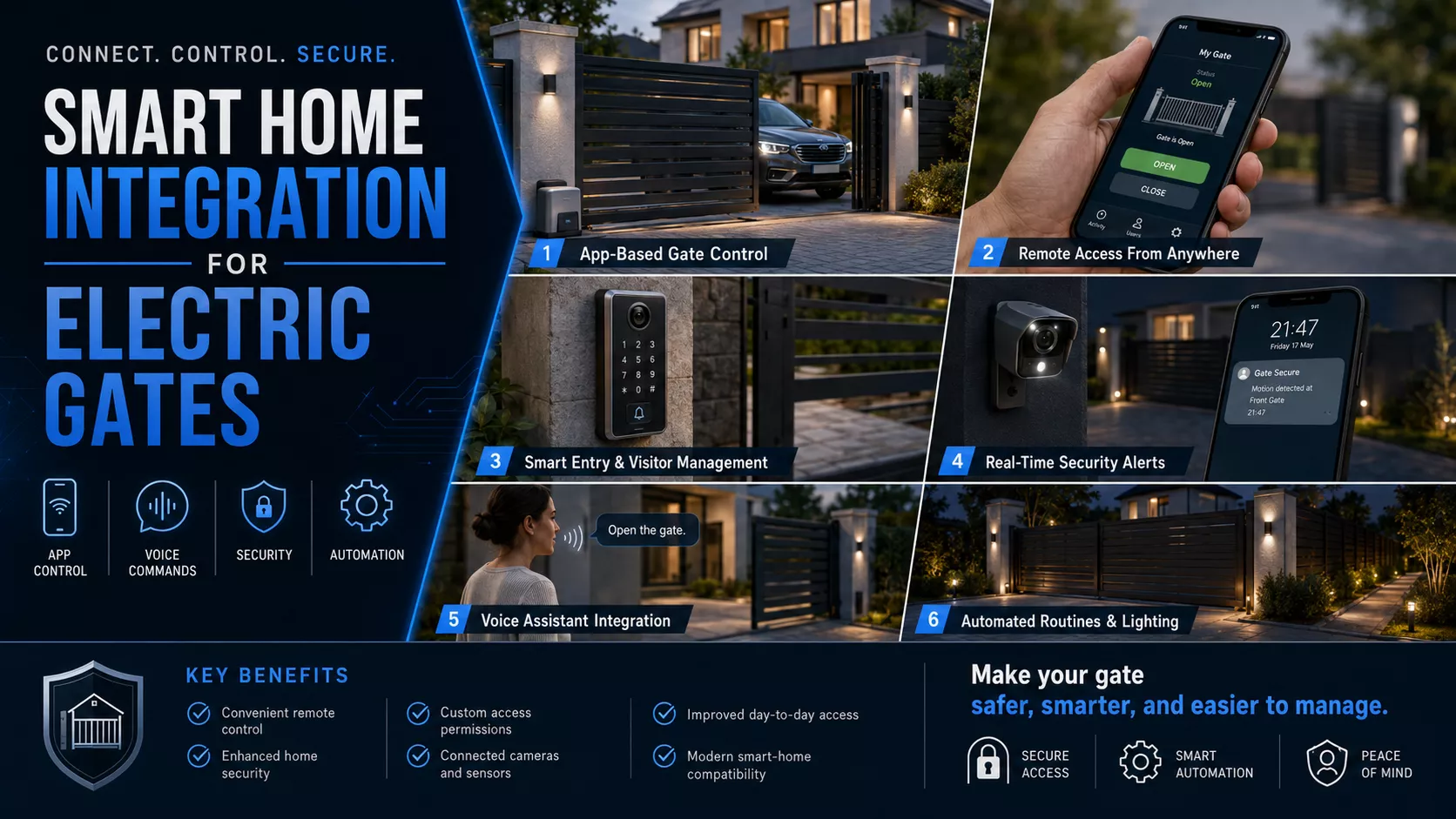
Electronic locks enhance alleyway gate security by enabling keyless access through digital technologies such as PIN keypads, RFID fobs, and smartphone applications. These systems improve convenience and reduce risks associated with lost or duplicated physical keys. Additionally, they provide detailed access logs and allow remote management, increasing control over who enters the premises.
Biometric authentication takes security to a higher level by verifying users through unique biological features like fingerprints or facial recognition. This technology offers superior protection against unauthorised access, as biometric data is difficult to forge or share. Ideal for both residential and commercial settings, biometric locks integrate seamlessly with electronic locking systems, delivering flexible and tamper-resistant security solutions.
Feature | Electronic Locks | Biometric Systems |
Access Method | PIN codes, RFID cards, smartphone apps | Fingerprint, facial recognition |
Security Level | High – controlled and monitored access | Very high – unique user authentication |
Convenience | Keyless entry, remote control | Contactless, quick authentication |
Vulnerability | Dependent on software/hardware upkeep | Minimal – biometric data is unique |
Best Use Case | General controlled access | High-security areas requiring strict control |
Motion Sensors and Surveillance Integration
Integrating motion sensors with surveillance systems enhances alleyway gate security by providing immediate detection and monitoring of any unauthorised activity. Motion sensors activate CCTV cameras or alert security personnel as soon as movement is detected near the gate, enabling prompt responses to potential threats such as trespassing, vandalism, or fly-tipping. This combination acts as a strong deterrent while improving evidence collection for investigations.
Modern surveillance setups often include high-resolution cameras with night vision and remote access via apps, allowing users to monitor activity in real-time. Effective sensor and camera placement ensures comprehensive coverage and reduces blind spots, making the system more reliable and efficient.
Feature | Motion Sensors | Surveillance Systems |
Function | Detect movement near gates | Record and monitor video footage |
Security Benefit | Immediate alerts for unauthorised access | Visual evidence and deterrence |
Technology | Infrared, microwave, ultrasonic | HD cameras, night vision, remote viewing |
Installation Areas | Entry points, blind spots | Gate vicinity, wider property views |
Maintenance | Regular sensitivity checks | Lens cleaning, software updates |
How Motion Detection Enhances Safety
Motion detection significantly improves the safety and security of alleyway gates by preventing accidents, deterring crime, and enhancing overall protection. Sensors such as infrared beams or pressure detectors identify when someone or something is in the gate’s path, allowing the system to stop or reverse the gate automatically. This is vital in areas frequented by pedestrians, children, or pets, reducing the risk of injury or damage.
Key benefits include:
- Preventing accidents: Automatic reversal and obstruction detection prevent gates from closing on people or objects.
- Deterring crime: Motion sensors trigger alarms or lights when unauthorised movement occurs, alerting homeowners and discouraging intruders.
- Enhanced security: Integration with CCTV, alarms, and lighting creates a layered security system that improves visibility and response times.
Together, these functions create a safer environment around alleyway gates for both residents and visitors.
How do automated gates and safety mechanisms improve alleyway security?
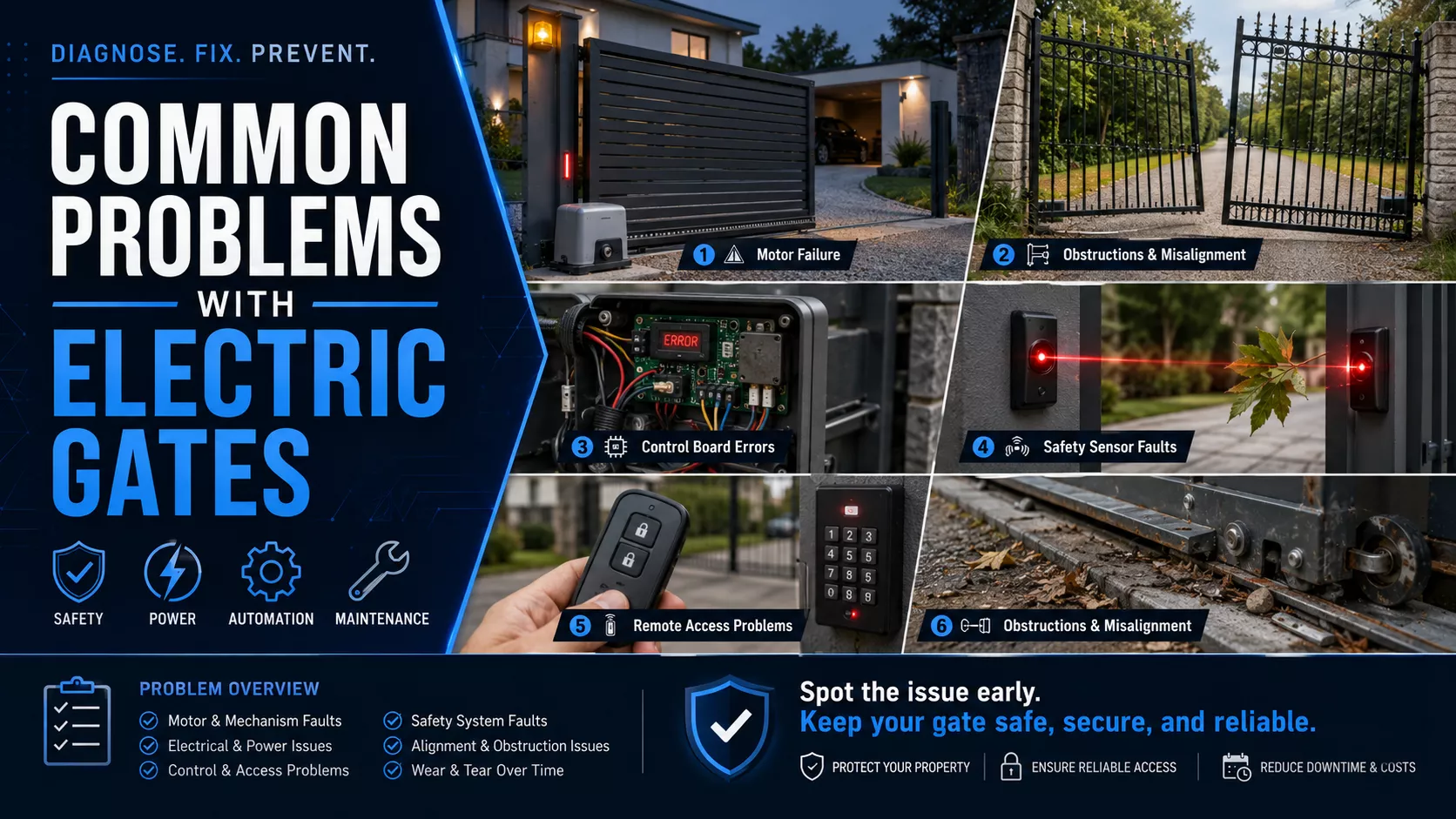
Automated alleyway gates offer both security and convenience, but their operation must prioritise user safety. Various safety mechanisms are integrated to prevent accidents and injuries during gate movement. These features combine physical sensors and intelligent control systems to ensure the gate responds appropriately to obstructions.
Key safety mechanisms include:
- Non-contact devices: Photocells and light curtains create invisible beams across the gate path; breaking the beam causes the gate to stop or reverse. Laser scanners extend this protection by monitoring a wider zone around the gate.
- Contact devices: Pressure-sensitive safety edges fitted to gate edges detect contact and trigger an immediate halt or reversal, protecting people and property from crushing.
- Force limitation devices: Intelligent drive units detect resistance and limit the force exerted, reducing injury risk when encountering obstructions.
Additional safety considerations are critical for reliable operation:
- Regular maintenance and force testing ensure all safety features function correctly.
- Professional installation guarantees compliance with safety regulations.
- Clear user instructions and visible signage help prevent misuse or accidents.
These measures collectively ensure that automated gates enhance security without compromising safety for users and passersby.
Benefits of Automated Gates for Convenience and Security
Automated alleyway gates provide a powerful combination of enhanced security and improved convenience. These gates effectively control access to vulnerable areas, helping to prevent unauthorised entry and reduce crime such as burglary, vandalism, and fly-tipping. Their presence also discourages anti-social behaviour by limiting opportunities for loitering, fostering a safer and more secure environment for residents and visitors.
Key benefits include:
- Improved security: Restricts access to rear or side entrances, deterring potential intruders.
- Crime reduction: Limits opportunities for burglary, vandalism, and fly-tipping in alleyways.
- Enhanced convenience: Remote controls, keypads, and smartphone apps allow easy, keyless access.
- Community safety: Reduces anti-social behaviour and promotes a secure neighbourhood atmosphere.
These advantages make automated gates an essential investment for modern property security and ease of use.
Automatic Openers and Safety Features
Automatic openers add both security and ease of use to alleyway gates, but incorporating robust safety features is essential to prevent accidents. Non-contact sensors, such as photocells and light curtains, emit infrared beams that detect any person, vehicle, or object in the gate’s path, stopping or reversing the gate to avoid collisions. Contact sensors like safety edges respond to physical pressure by halting and reversing gate movement, protecting users from injury.
Other important safety elements include:
- Obstacle detection: Motor units detect resistance and stop or reverse automatically.
- Induction loop detectors: Installed in the ground, these sense vehicles to prevent premature gate closure.
- Emergency stop buttons: Allow users to immediately stop gate operation in emergencies.
- Manual override: Enables gate operation during power failures or system faults.
Regular maintenance and professional installation ensure these safety systems work reliably and comply with safety regulations, providing peace of mind alongside convenience.
Ensuring Gate Operation in Various Weather Conditions
Reliable operation of alleyway gates in diverse weather conditions depends on careful material selection, design, and maintenance. Using durable materials such as rust-resistant steel or weatherproof composites helps prevent corrosion and damage caused by moisture or temperature changes. Gate designs that reduce wind resistance, like open patterns or cantilever systems, minimise the impact of strong winds and snow accumulation.
Key practices include:
- Regular lubrication of hinges and rollers with weather-resistant oils to prevent seizing.
- Clearing debris, ice, and snow from tracks and sensors to maintain smooth movement.
- Applying weatherproof coatings on wooden gates to protect against warping or fading.
- Protecting control boxes with sealed, weatherproof enclosures.
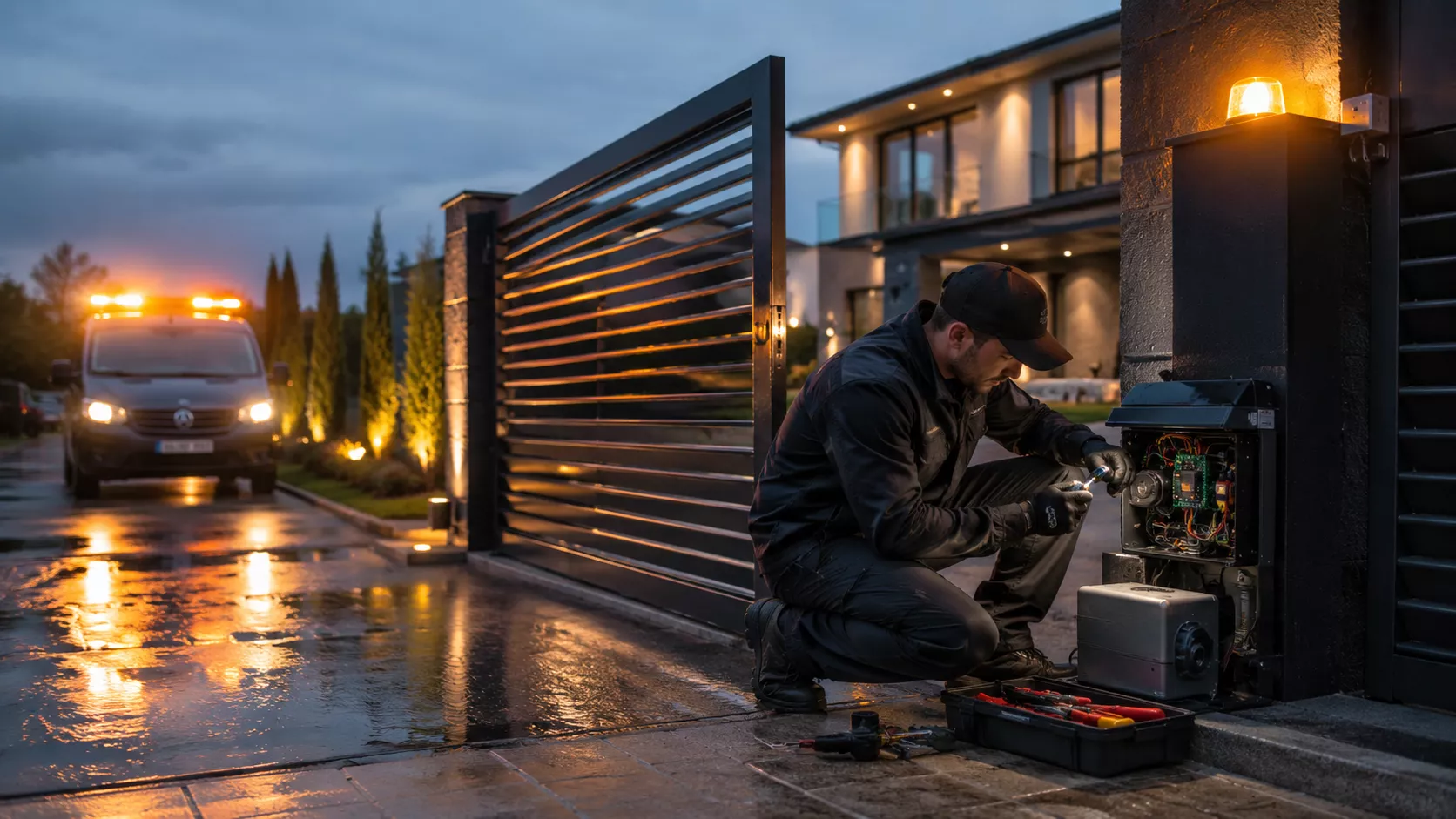
Additional measures such as strategic gate placement away from water accumulation zones, installing windbreaks, and ensuring proper drainage further enhance durability. Routine inspections and clear emergency procedures, including manual overrides, help maintain safe and effective gate operation throughout the year.
Final Thoughts
Choosing the right security features for your alleyway gate is vital to effectively protect your property and enhance neighbourhood safety. Robust construction using materials such as powder-coated steel or durable composite ensures resistance to forced entry and adverse weather conditions. Incorporating anti-climb designs like spear tops and angled panels further deters unauthorised access by making scaling difficult. Reliable locking mechanisms, ranging from traditional key-operated locks to digital keypads and smart locks, offer tailored access control to suit your specific security needs. Solid infill options, including vertical bars or steel mesh, enhance privacy while restricting visibility into vulnerable alleyways.
Strategic placement of gates at rear or side entrances is essential to control access points prone to exploitation. Successful gating schemes rely heavily on community involvement, where residents cooperate to manage key distribution and access rights. Regular maintenance, including lubrication and rust prevention, is critical for sustaining gate functionality and security over time. For comprehensive protection, integrating alleyway gates with CCTV, lighting, and automated safety features like obstacle detection provides a multi-layered security approach.
To secure your property effectively, assess your specific security requirements, engage a qualified installer for professional gate fitting, and consider integrating technology-based controls and surveillance. Collaborate with neighbours and local authorities to ensure a community-wide approach to safety. Prioritise regular inspections and upkeep to maintain the long-term reliability of your alleyway gate system.
Frequently Asked Questions
Alleyway gates benefit from various locks, including automatic deadlocking mortise latches for hands-free security, heavy-duty padlocks for high resistance, digital keypad locks for keyless entry, and traditional deadlocks for dual-sided keyed access. The choice depends on gate material, security needs, and access frequency.
Electronic locks provide enhanced security with keyless entry via PINs, RFID, or smartphone apps, plus remote access and activity logs. Traditional locks rely on physical keys and manual operation, are simpler and cheaper upfront, but more vulnerable to tampering and key loss.
Features such as high-security locks with shrouds, access control systems (keypads, intercoms, RFID), automated gate openers with safety sensors, anti-climb spikes, custom gate designs with durable materials, and integrated biometric authentication offer a comprehensive security solution.
Motion sensors detect movement near gates and trigger alarms or CCTV recording, providing real-time alerts and deterring unauthorised access. Surveillance cameras with night vision and remote viewing enhance monitoring capabilities and evidence collection.
Automated gates should include non-contact sensors like photocells and light curtains to detect obstructions, pressure-sensitive safety edges to stop or reverse gate movement upon contact, force limitation drives to prevent injury, and emergency stop buttons for immediate operation halt.
Use rust-resistant materials like powder-coated steel or weatherproof composites, regularly lubricate moving parts, clear debris and ice from tracks and sensors, apply protective coatings on wooden gates, protect control boxes with sealed enclosures, and ensure proper drainage and strategic gate placement.
Community cooperation helps manage key distribution, ensures responsible use, and supports shared maintenance efforts. Collaborative gating schemes strengthen neighbourhood safety by reducing unauthorised access and promoting collective vigilance.
Automated gates offer enhanced security by restricting access to vulnerable rear entrances, reducing crime and anti-social behaviour, and improving convenience through remote control or smartphone access. They contribute to safer neighbourhood environments and streamlined property protection.