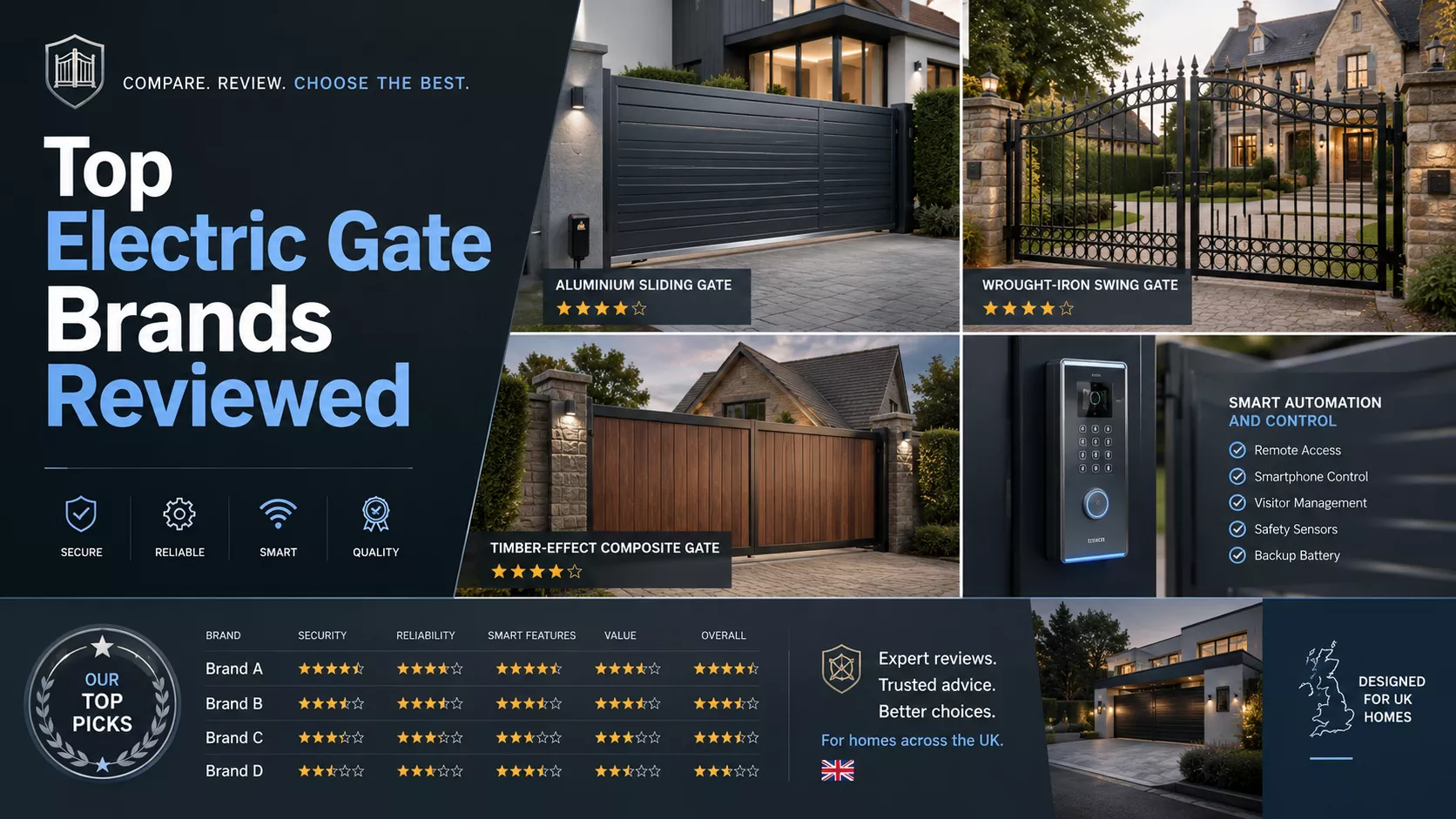
Eco-friendly electric gates combine security, convenience and automated access with lower energy use and a reduced environmental impact. Their popularity is growing as homeowners and businesses look for ways to cut electricity costs, use renewable energy and choose longer-lasting materials. Modern systems can include solar power, energy-efficient motors, smart controls and recyclable gate materials.
Solar-powered electric gates are one of the most sustainable options. Solar panels generate electricity that can be stored in batteries, allowing gates to operate at night, during cloudy weather and in locations without mains power. When combined with efficient DC or brushless motors, these systems can reduce electricity consumption, maintenance needs and long-term running costs.
Sustainability also depends on gate construction. Materials such as aluminium and steel are recyclable, while FSC-certified timber provides a responsibly sourced option for wooden gates. Durable materials also help extend the gate’s lifespan, reducing waste and replacement requirements.
Smart sensors, standby power reduction and energy-monitoring integration can further minimise unnecessary electricity use. Combined with greener manufacturing and sustainable packaging, these features help reduce environmental impact across the gate’s lifecycle. For commercial properties, eco-friendly automation can also support wider sustainability and corporate responsibility goals.
Table of Contents
- 1. Why Are Eco-Friendly Electric Gates Becoming Increasingly Popular?
- 2. Solar-Powered Electric Gate Systems
- 3. Energy-Efficient Gate Motors
- 4. Recyclable & Sustainable Gate Materials
- 5. Smart Energy Management Features
- 6. Eco-Friendly Manufacturing & Packaging
- 7. Long-Term Environmental Benefits
- 8. Financial Incentives for Eco-Friendly Installations
- 9. Eco-Friendly Electric Gates for Commercial Properties
- 10. Frequently Asked Questions
Why Are Eco-Friendly Electric Gates Becoming Increasingly Popular?
Eco-friendly electric gates are gaining popularity due to growing environmental concerns and advancements in technology that support sustainability. A key factor driving this trend is the desire to reduce carbon footprints. These gates often feature solar-powered systems that drastically cut down on electricity consumption, relying on renewable energy sources. This not only benefits the environment but also lowers energy bills, making them a cost-effective option for homeowners in the long term.
Energy-efficient motors and control systems have further increased the appeal of these gates. Manufacturers are now designing gates that require less electricity to operate smoothly, reducing their environmental impact. Additionally, smart technology integration allows users to program the gates’ operation, ensuring they function only when necessary, further saving energy.
The materials used in eco-friendly electric gates also contribute to their growing popularity. Many gates are crafted from recycled metals or other durable materials like aluminium and composites, which reduce waste and avoid the energy-intensive process of creating new resources. These materials also ensure longevity, cutting down on the need for frequent replacements or repairs.
As more consumers prioritise sustainability, eco-friendly electric gates add value to properties, making them an attractive investment. This trend reflects a broader shift towards environmentally conscious living, enhancing both property appeal and environmental responsibility.
Solar-Powered Electric Gate Systems
Solar-powered automatic gates offer a sustainable and efficient solution for properties with or without access to mains electricity. These systems harness the power of the sun, providing reliable security without the need for costly electrical installations.
Key features of solar-powered gate systems:
No Mains Electricity Required: Can be installed anywhere, even in remote or off-grid locations.
Battery Storage Systems: Solar energy is stored in batteries, allowing the gate to function even during cloudy weather or at night.
Cost Savings: Significant long-term savings on electricity bills, with no need for expensive cable installations.
Environmentally Friendly: Utilises renewable solar energy, reducing the carbon footprint and dependence on non-renewable power sources.
Key Benefits:
Flexibility: Ideal for rural estates, farms, or remote properties where traditional power sources are unavailable.
Efficient Technology: Featuring state-of-the-art Brushless Technology motors and Smart MPPT solar chargers, these systems allow for multiple daily openings with minimal energy use.
Winter Performance: Solar panels are mounted with unique Winter Harvesting® technology, ensuring reliable operation even in colder months.
These systems are equipped with easy-to-use remotes, keypads, and even mobile phone controls for convenience, offering enhanced security and seamless automation. Plus, with a two-year warranty and excellent customer support, solar-powered electric gates are a smart, eco-friendly investment.
Energy-Efficient Gate Motors
Energy-efficient gate motors are revolutionising the automation industry, providing improved performance with lower power consumption. With the growing demand for sustainable solutions, brushless motors and low-voltage systems are leading the way in enhancing both efficiency and safety.
Key Features and Benefits:
Brushless Motor Technology:
Improved Efficiency: Brushless motors offer better energy efficiency, reduced wear and tear, and quieter operation compared to traditional brushed motors.
Longer Lifespan: These motors require less maintenance due to the absence of brushes, resulting in a longer service life and lower operational costs.
DC vs AC Motors:
DC Motors: Direct current (DC) motors are becoming the preferred choice for energy-efficient gate automation. They consume less power and are more adaptable for solar-powered systems, as they can easily run off lower voltages.
AC Motors: While alternating current (AC) motors offer more power for heavy-duty applications, they typically consume more energy, making them less efficient in comparison to DC motors.
Low-Voltage Operation & Safety Benefits:
Enhanced Safety: Low-voltage motors provide safer operations, especially in residential settings. They pose less risk of electric shock and reduce the likelihood of electrical fires.
Cost Savings: Operating at low voltage results in lower energy consumption and reduced electricity bills, making these motors an ideal choice for long-term cost savings.
By switching to energy-efficient motors, property owners not only contribute to a greener environment but also enjoy significant financial savings through reduced energy usage and maintenance. These motors are perfect for both residential and commercial gate automation systems, offering the perfect balance of performance and efficiency.
Recyclable & Sustainable Gate Materials
Choosing recyclable and sustainable materials for gates not only enhances the aesthetic appeal of a property but also reduces environmental impact. Many modern gate systems are made from materials that are not only durable but also fully recyclable at the end of their life cycle.
1. Aluminium: High Recyclability
Aluminium is one of the most sustainable gate materials due to its high recyclability. It can be melted down and repurposed without losing quality, making it a top choice for eco-conscious gate designs.
Benefits: Lightweight, corrosion-resistant, and requires minimal maintenance, contributing to its long lifespan.
2. Steel: Fully Recyclable After Use
Steel gates are not only strong and secure but are also fully recyclable. Steel can be reprocessed into new products, reducing the need for virgin materials and minimising environmental waste.
Benefits: High strength, versatility in design, and excellent security. Steel gates are especially suitable for heavy-duty applications, offering robust protection and longevity.
3. FSC-Certified Sustainable Timber for Wooden Gates
Wood remains a popular choice for gates, but opting for FSC-certified timber ensures that the wood is sourced sustainably, from forests that are responsibly managed to preserve ecosystems.
Benefits: A natural aesthetic that blends well with various landscapes, offering a timeless charm while being eco-friendly.
By selecting gates made from recyclable and sustainable materials like aluminium, steel, or FSC-certified timber, homeowners not only support sustainability but also enjoy a durable and environmentally responsible product.
Smart Energy Management Features
Smart energy management in gate systems is enhancing both efficiency and sustainability by integrating advanced technologies to optimise power use. Key features include:
Standby Power Reduction
Energy Conservation: Automatically reduces power consumption when the gate is in standby mode, preventing unnecessary energy use during periods of inactivity.
Cost Efficiency: Lower energy bills by limiting power drain when the gate is idle, ensuring minimal impact on the property’s overall energy consumption.
Smart Sensors to Reduce Unnecessary Gate Activations
Optimised Activation: Sensors detect movement or presence, ensuring the gate only activates when needed, reducing wear and conserving energy.
Enhanced Efficiency: Prevents the gate from opening unnecessarily, saving both energy and extending the lifespan of the motor.
Integration with Home Energy Monitoring Platforms
Seamless Integration: Smart gate systems can connect with home energy monitoring platforms, enabling real-time tracking of energy usage.
Comprehensive Energy Management: Offers users the ability to manage and optimise energy consumption across all devices in the home, including gates, ensuring balanced energy flow and cost reduction.
These smart features not only reduce the overall energy consumption of gate systems but also contribute to a more sustainable and eco-friendly living environment.
Eco-Friendly Manufacturing & Packaging
Eco-friendly manufacturing and packaging practices are increasingly important in reducing environmental impact across industries. These practices focus on sustainable processes, materials, and energy-efficient operations, ensuring a cleaner, greener future.
1. Reduced Emissions During Production
Energy-Efficient Processes: Manufacturers are adopting cleaner, more energy-efficient technologies to reduce carbon emissions during production. This includes using renewable energy sources and optimizing machinery to use less power.
Lower Carbon Footprint: By minimising the use of fossil fuels and improving operational efficiency, businesses can significantly lower their environmental impact.
2. Eco-Certified Factories
Sustainable Facilities: Factories are increasingly earning eco-certifications, demonstrating their commitment to sustainable practices. These factories adhere to strict environmental standards, such as reducing water usage, minimizing waste, and managing emissions responsibly.
Green Manufacturing: Eco-certified factories prioritize sustainability in every aspect, from material sourcing to production methods, ensuring that products are made with the environment in mind.
3. Sustainable Packaging Materials
Recycled and Biodegradable: Packaging made from recycled paper, cardboard, or biodegradable bioplastics reduces waste and promotes a circular economy.
Eco-Friendly Design: Manufacturers are also focusing on packaging that is reusable or compostable, further enhancing the product’s sustainability credentials.
These eco-friendly practices help conserve resources, reduce waste, and contribute to a more sustainable future.
Long-Term Environmental Benefits
Transitioning to sustainable practices offers numerous long-term environmental benefits, which are essential for ensuring a healthier planet and a sustainable future.
1. Mitigating Climate Change
Adopting renewable energy sources such as solar and wind reduces greenhouse gas emissions, which are critical in combating climate change and limiting global warming. This transition not only stabilises the climate but also promotes cleaner air and a reduction in pollution levels.
2. Resource Conservation and Preservation
Sustainable practices help conserve natural resources, ensuring they remain available for future generations. By using resources more efficiently and adopting circular economy principles, we reduce the pressure on raw materials and energy sources.
3. Enhanced Biodiversity and Ecosystem Health
Promoting sustainable agriculture, protecting natural habitats, and developing green spaces helps maintain biodiversity. Healthy ecosystems are vital for climate regulation, clean water, and soil health, which support the overall balance of the planet’s ecosystems.
4. Improved Public Health
With cleaner air, water, and reduced exposure to harmful chemicals, the long-term impact on public health is significant. Reduced pollution leads to lower rates of respiratory diseases, cardiovascular conditions, and other health issues.
By prioritising long-term environmental benefits, we foster resilience in natural systems, create healthier communities, and build a more sustainable future for all.
Financial Incentives for Eco-Friendly Installations
There are several financial incentives available to encourage eco-friendly installations, helping to reduce the upfront costs and increase the accessibility of green technologies.
For Homeowners
1. Energy Rebates
Utility companies and local governments often offer rebates for energy-efficient appliances, home insulation, and smart thermostats. These rebates can help reduce the initial investment required for green upgrades.
2. Green Tax Credits
Homeowners can benefit from federal or local tax credits, which directly lower the amount of tax owed. These incentives apply to energy-saving upgrades such as solar panels, energy-efficient windows, and insulation.
3. Low-Interest Loans
Some initiatives provide low or zero-interest loans for green home improvements, making it easier for homeowners to finance eco-friendly projects with manageable payments.
For Businesses
1. Enhanced Capital Allowances (ECAs)
Businesses can deduct the full cost of energy-efficient equipment from their taxable profits, reducing their tax burden and making sustainable investments more financially viable.
2. Potential Insurance Discounts
Green buildings and energy-efficient systems can lead to lower insurance premiums, as these installations are often viewed as less risky.
By taking advantage of these financial incentives, both homeowners and businesses can enjoy long-term savings while contributing to a more sustainable future.
Eco-Friendly Electric Gates for Commercial Properties
Eco-friendly electric gates offer numerous advantages for commercial properties, providing both functional and corporate benefits. These gates not only enhance the property’s security and aesthetics but also align with sustainable business practices.
Corporate Social Responsibility (CSR) Benefits
Sustainability Focus: By choosing eco-friendly electric gates, businesses demonstrate a commitment to sustainability, a key aspect of corporate social responsibility (CSR). These gates, made from recyclable materials like composite and aluminium, reduce environmental impact, helping companies meet their CSR goals.
Positive Public Image: Companies that implement green solutions, such as energy-efficient gates, gain positive publicity. Eco-conscious customers and stakeholders often prefer doing business with companies that prioritise environmental responsibility.
Environmental Compliance for Commercial Projects
Adhering to Regulations: Many commercial properties are subject to environmental regulations and building codes that promote energy efficiency and sustainability. Installing eco-friendly electric gates helps ensure compliance with these regulations, avoiding potential penalties.
Reducing Carbon Footprint: Eco-friendly gates, particularly those powered by renewable energy sources like solar power, help lower a company’s overall carbon footprint. This is a significant step towards achieving environmental compliance in projects seeking green certification or sustainability recognition.
By opting for eco-friendly electric gates, commercial properties not only improve their security and operational efficiency but also contribute to environmental preservation and demonstrate corporate responsibility.
Frequently Asked Questions
Sliding gates are often considered the best due to their space-saving design and smooth operation, especially in areas with limited space.
Typically, an electric gate can last 15-20 years, depending on maintenance and the quality of materials used.
Yes, electric gates can run off batteries, especially when integrated with solar power systems for off-grid operation.
Manual gates, like wooden or steel gates, tend to be the most affordable to install, as they do not require electric motors.
Cost is a major disadvantage, as electric gates are expensive to install and maintain, and they can be affected by power outages.