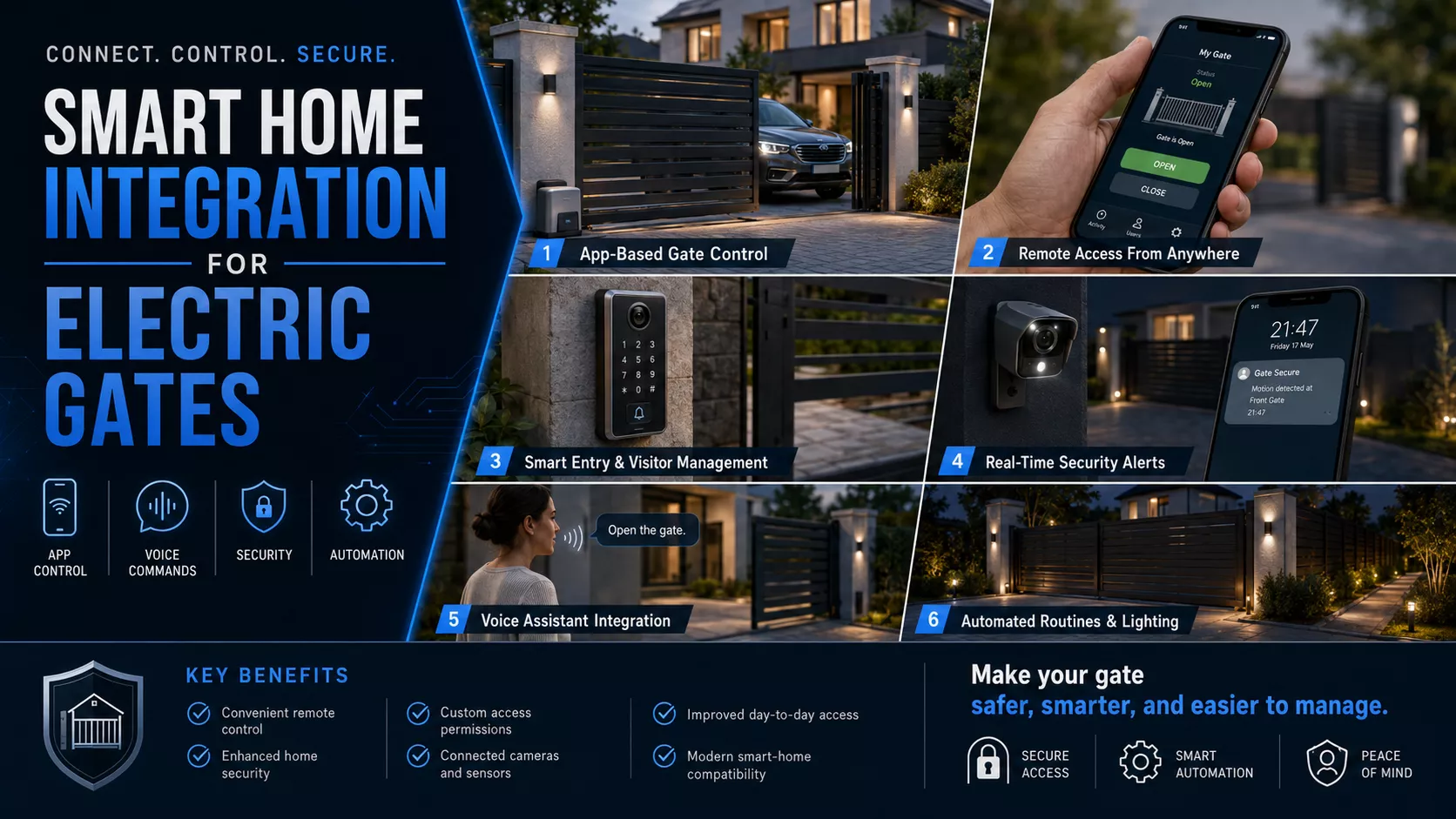
When planning to install a gate in an alleyway, understanding the relevant zoning laws and obtaining the appropriate permits is crucial. These regulations ensure that the installation complies with local safety standards, environmental considerations, and urban planning policies. Zoning laws and permits help maintain order within neighbourhoods, regulating aspects like gate height, materials, and placement to prevent obstructions or safety hazards.
Zoning laws play a vital role in determining how land can be used and developed. When installing a gate, these laws regulate factors such as its size, height, and design to maintain harmony within the community. Permits, such as building or planning permissions, provide legal validation for the installation, ensuring it does not violate property rights or hinder public access. Without these approvals, the gate may face removal orders, fines, or legal disputes.
The legal process for installing an alleyway gate is influenced by several factors, including the ownership of the alleyway and its designation (private or public). Local zoning regulations outline the permissible dimensions and types of gates allowed in specific areas, while public right-of-way status can require additional permissions. Understanding the full scope of legal requirements is essential to avoid costly mistakes and ensure the gate is both compliant and functional.
Table of Contents
- 1. What Are the Local Municipal Requirements for Alleyway Gates?
- 2. What Types of Permits and Documentation Are Needed for Alleyway Gate Installation?
- 3. What Are the Building Codes for Alleyway Gates?
- 4. What Legal and Zoning Considerations Should Be Taken into Account for Alleyway Gates in Urban and Public Spaces?
- 5. Final Thoughts
- 6. Frequently Asked Questions
What Are the Local Municipal Requirements for Alleyway Gates?
Local municipal requirements for alleyway gates are designed to balance security, accessibility, and community needs. These regulations ensure that gates meet necessary standards and that installation is carried out responsibly. The process generally involves consultation with residents, securing appropriate planning permissions, and adhering to specific design and construction guidelines.
- Resident Consultation and Consent: Local authorities typically require agreement from a significant portion of residents before proceeding with alley gating schemes. This ensures the project is supported by the community and that residents understand their responsibilities regarding gate maintenance and management.
- Planning Permission: Depending on the location and the alleyway’s designation (e.g., public right of way), planning permission may be required. This ensures the gates do not disrupt public access or infringe on local infrastructure.
- Design and Construction Standards: Alley gates must meet specific standards to ensure safety, security, and functionality:
- Visibility: Gates should allow for clear visibility, often using punched grills or vertical bars.
- Security: Robust locks with automatic deadlocking features should be used, and protections should be in place to prevent tampering with locks or hinges.
- Durability: Gates should be self-supporting, avoiding attachment to adjacent properties to limit liability for potential damage.
- Maintenance and Access: Residents are typically responsible for ongoing maintenance, including repairs and key management. Local authorities also ensure that emergency services and utility companies have easy access to the alleyway.
Common Zoning Restrictions for Residential and Commercial Gates
Zoning restrictions for alleyway gates in both residential and commercial settings typically aim to balance accessibility, safety, and community aesthetics. These regulations are designed to prevent obstruction, ensure security, and maintain public access when necessary.
- Public Access: Many areas restrict gating public rights-of-way, particularly if the alley serves as the primary access route. For private alleys, permission from all property owners may be required.
- Emergency Services Access: Gates must allow for unobstructed entry by emergency services and utility companies. This often involves implementing key systems or automated mechanisms to ensure quick access when needed.
- Height and Design Restrictions: Zoning laws often limit gate height to maintain visibility and prevent obstruction. Material and design regulations are also common to ensure gates blend with the surrounding neighbourhood, preventing unsightly installations.
- Planning Permission: Installation usually requires planning permission, especially in areas with conservation rules or historical significance. This ensures the gate adheres to local zoning laws and respects the community’s character.
Local Government Agencies Involved in Gate Regulations
Various local government agencies play a role in regulating alleyway gates to ensure they meet safety, legal, and community standards. These agencies work together to assess the need for gates, manage installation processes, and guarantee compliance with local laws.
- Community Safety Teams: These teams, including Police Community Support Officers, assess the impact of gating on crime and anti-social behaviour. They consult with residents and gather evidence to justify the installation of gates.
- Local Highway Authorities: If the alleyway is a public right of way, local highway authorities must approve any restrictions to public access. Their consent is crucial to ensure the gate complies with road regulations.
- Planning Departments: Planning departments are consulted, particularly if gates exceed certain height limits or affect public access. They ensure the gate complies with zoning laws and local development plans.
- Police and Fire Service: Both the police and the fire service assess the safety and accessibility of the gate. They focus on ensuring emergency services can access the area when required.
What Types of Permits and Documentation Are Needed for Alleyway Gate Installation?
When installing a gate in an alleyway, securing the correct permits and providing necessary documentation is essential. The exact requirements depend on various factors, including whether the alleyway is public or private and the gate’s impact on accessibility. Below are the key permits and documents typically required:
- Planning Permission: If the alleyway is a public right-of-way or if the gate affects multiple properties, planning permission is usually needed. This ensures the gate doesn’t obstruct emergency services or public access.
- Highway Permits: For gates located on public highways, you may need a Public Spaces Protection Order (PSPO) to restrict access, especially in areas with documented crime or anti-social behaviour.
- Consent from Neighbours: If the gate restricts access to multiple properties, consent from all affected homeowners is required. This may involve collecting signatures or written consent from each resident.
- Evidence of Anti-Social Behaviour: Some councils require proof of issues like crime or anti-social behaviour to justify the gate’s installation.
- Alley Gating Applications: Specific application forms may need to be submitted, including details of the area and the problems the gate addresses.
- Ownership and Access Documentation: You must demonstrate ownership of the land and ensure the gate does not block access for essential services, like emergency vehicles and waste collection.
Additionally, some authorities may require plans for key distribution or maintenance agreements. Always check with your local council for specific requirements.
Permit Applications for Residential Gate Installations
When installing a gate in a residential alleyway, obtaining the necessary permits is crucial to ensure compliance with local regulations. The process varies depending on whether the alleyway is public or private and involves several key steps:
- Determine Alleyway Ownership: If the alleyway is public, local authorities must approve the installation. For private alleyways, permission from the relevant authorities is still required.
- Consult Local Authorities: Contact the planning department to check if planning permission is necessary. If the alley is part of a public highway, the Highways Authority may need to be involved. Additionally, the police may be consulted to assess security needs and community support.
- Obtain Consent: You’ll need written consent from all affected residents and landowners. Demonstrating community support, particularly if the alley has issues like crime or anti-social behaviour, is often essential.
- Submit Application: Complete the application form and provide supporting documentation, such as evidence of community consent and crime statistics. The council will review the application for approval based on various factors.
Necessary Documentation for Commercial Installations
When installing a gate in a commercial alleyway, a range of documentation is required to ensure safety, compliance, and proper maintenance. Essential documents include:
- Written Consent: Obtain consent from all property owners affected by the gate, particularly if the installation impacts shared or neighbouring properties.
- Declaration of Conformity: This document confirms that the gate complies with relevant safety and regulatory standards, such as the Machinery Directive.
- User Instruction Manual: A manual outlining safe operation and maintenance procedures for both users and installers.
- Electrical Test Certificate: If the gate is automated, this certificate ensures that all electrical components meet safety standards.
- Maintenance Log: A record of all maintenance and servicing activities to ensure the gate remains in proper working order.
- Risk Assessment: A comprehensive risk assessment identifies potential hazards, such as pinch points or electrical risks, and outlines safety measures.
Additional documentation may include CE markings for automated gates and compliance certificates as required by local regulations or specific gate types. Regular professional maintenance is also essential to uphold safety standards.
Special Considerations for Historic or Protected Areas
Installing alley gates in historic or protected areas requires careful planning to preserve the character of the location while ensuring compliance with regulations. Key considerations include:
- Material Choices: In these areas, traditional materials like timber, brick, or stone are preferred over modern options such as uPVC or aluminium to maintain historical authenticity.
- Historical Context: The design of the gate should align with the architectural style and historical significance of the area, ensuring it complements the surrounding environment.
- Local Regulations: Planning permission is often required, especially for listed buildings or areas within conservation zones. Additional permissions may be necessary to preserve the site’s integrity.
- Consultation: It’s essential to consult with local planning authorities and engage the public if necessary, to assess the potential impact on both the environment and residents.
- Security and Public Access: Consider the appropriate security level while respecting the area’s heritage. If the alley is a public right-of-way, gating may not be allowed, and PSPOs may be in place to regulate access.
What Are the Building Codes for Alleyway Gates?
Alleyway gate construction is governed by building codes and local regulations designed to ensure safety, security, and accessibility. These codes focus on gate design, locking mechanisms, and provisions for emergency access to protect both residents and emergency services.
Key Considerations:
- Security: Gates must be designed to prevent climbing, with no foot or handholds and minimal gaps to deter crawling. Materials such as steel are recommended for durability, and anti-climb features should be incorporated.
- Locking Mechanisms: Strong, automatic deadlocking systems, such as BS3621:2007+A1:2009 mortise latches, are often required. These locks should be accessible to emergency services and may need to be master-keyed for convenient access.
- Emergency Access: Gates must facilitate easy emergency access for services like fire and rescue. This might involve a quick-release or breakable mechanism in case of urgent situations.
- Visibility and Aesthetics: Gates should allow for visibility, preventing concealed spaces, while blending seamlessly with the local environment.
- Ownership and Permissions: Ensure consent from relevant property owners and local authorities. Planning permission may be required, particularly in public alleyways, and local regulations may enforce PSPOs to control access.
Maintaining compliance with these building codes ensures safe, secure, and functional alleyway gate installations.
Height and Material Regulations
Alleyway gate regulations focus on height, materials, and security features to ensure safety and durability.
- Height: A minimum height of 1.83m (6ft) is typically recommended to prevent climbing. Some areas allow gates up to 2 meters without needing planning permission, but exceeding this may require approval from the local council. For gates near roads, the height should not exceed 1 meter within 3 meters of the road edge.
- Materials: Rust-resistant materials like galvanised steel are preferred for their strength and durability. They withstand weather conditions and potential impacts. While timber is an option, it requires more frequent maintenance and may not offer the same security.
- Security Features: Gates should feature a semi-solid design, such as vertical bars or punched grills, to ensure visibility and prevent hiding. Additional security can be achieved through anti-climb features, strong locks, and minimal gaps to prevent crawling. Ensure that no fixings are visible or easily removable to prevent tampering.
Safety Standards for Alleyway Gates
Alleyway gates must adhere to strict safety standards to ensure they are secure and effective in preventing crime while remaining functional and user-friendly.
- Height: Gates should be at least 1.83m (6ft) high to deter climbing, with some areas allowing up to 2 meters (6.56ft), particularly if the gate leads to a public highway.
- Materials and Construction: Use durable materials such as heavy-duty steel to prevent the gate from bending, breaking, or being easily breached. A semi-solid design, like vertical bars or punched grills, is ideal for visibility while reducing hiding spots.
- Anti-Climb Features: Gates should incorporate anti-climb elements such as spear top finials or smooth surfaces with no handholds. The gap under the gate should be minimal to prevent crawling.
- Locking Mechanisms: A secure automatic deadlocking latch or slam-to-lock mechanism ensures the gate remains locked. Locks and hinges should be protected to prevent tampering.
- Maintenance: Regular upkeep, such as rust removal and lubrication, ensures the gate remains effective. Proper installation, such as using self-supporting posts, helps avoid sagging.
Accessibility Guidelines for Gates
Accessibility guidelines for alleyway gates are essential to ensure the gates are usable by everyone, including individuals with disabilities, while maintaining security and safety.
- Width: Gates should be wide enough to accommodate wheelchairs, mobility devices, and people with other mobility limitations.
- Opening Mechanism: The gate should have an easy-to-operate opening and closing mechanism, requiring minimal force or dexterity, to ensure accessibility for all users.
- Visibility: Gates should allow visibility through or around them to enhance safety and reduce the potential for hiding spots.
- Emergency Access: Gates must allow emergency services to quickly enter and exit, with provisions for rapid unlocking or breaking in an emergency.
- Maintenance: Gates should be low-maintenance to ensure they remain accessible and avoid safety hazards caused by wear and tear.
- Locks and Latches: Locks should be simple to operate for all users, including those with physical limitations, ensuring ease of access for everyone.
Ensuring gates meet these guidelines will help maintain accessibility while balancing security needs.
What Legal and Zoning Considerations Should Be Taken into Account for Alleyway Gates in Urban and Public Spaces?
When installing alleyway gates in urban and public spaces, legal and zoning considerations are crucial to ensure compliance with local regulations and avoid potential legal issues. Zoning laws regulate land use and building structures, including gates, to maintain safety, accessibility, and community standards.
- Zoning Restrictions: Local zoning ordinances determine whether gates can be installed in specific areas, based on factors like proximity to public roads, pedestrian access, and safety. Restrictions may include height limitations, material requirements, and the necessity for planning permission, especially for gates that affect public rights of way.
- Public Rights of Way: Gates cannot impede public access to shared spaces or public pathways. If the alleyway is a designated public right of way, additional regulations, such as obtaining a Public Space Protection Order (PSPO), may be necessary to restrict access legally.
- Planning Permission: In urban spaces, gates that exceed certain heights or impact access for emergency services may require formal planning permission. The approval process ensures that gates align with local building codes and do not obstruct traffic or pedestrian routes.
- Community Consultation: For projects that affect public spaces, local authorities often require consultations with community members and stakeholders to address potential concerns and secure consent.
Navigating these legal and zoning factors ensures that gate installations are compliant, safe, and beneficial for the community.
How Zoning Affects Gate Placement in Urban Areas
Zoning laws play a significant role in determining the placement of gates in urban areas, ensuring that installations align with local planning regulations and community safety standards.
- Height and Location: Zoning ordinances often limit the height of gates in urban spaces, especially near roads or pedestrian pathways, to maintain visibility and prevent obstructions. Gates that exceed certain heights may require planning permission to ensure they do not disrupt the flow of traffic or hinder sightlines for pedestrians and drivers.
- Public Access: Gates cannot block or restrict access to public spaces, such as alleyways that serve as public rights of way. If the gate interferes with public access, special permits or orders, like a Public Space Protection Order (PSPO), may be necessary.
- Aesthetic Compatibility: Zoning regulations also consider the aesthetic impact of gates on the neighbourhood. Gates must typically match the surrounding environment in terms of materials and design to maintain urban harmony and avoid visual disruptions.
By adhering to zoning laws, gate installations in urban areas can improve security without compromising access or aesthetics.
Requirements for Gates in Public or Shared Spaces
Gates installed in public or shared spaces must meet specific requirements to ensure they are both functional and compliant with local regulations.
- Public Access: Gates cannot obstruct public access, especially if the area is a public right of way. In many cases, a Public Space Protection Order (PSPO) may be required to restrict access legally while ensuring it doesn’t hinder essential services or pedestrians.
- Emergency Services Access: Gates in shared spaces must provide clear access for emergency services such as fire, police, and ambulances. This may include easy-to-operate locks or mechanisms that allow quick opening in emergencies.
- Design and Materials: Gates should be designed to blend with the surrounding area, maintaining the aesthetic of the public space. Materials need to be durable and weather-resistant, especially in high-traffic areas.
- Community Consent: For gates in shared spaces, consent from residents, landowners, or local councils may be required to ensure the installation meets community needs and legal standards.
These requirements help balance security with the accessibility and safety of public and shared spaces.
Final Thoughts
When considering the installation of alleyway gates, understanding and adhering to zoning laws and obtaining the proper permits are essential for ensuring both legal compliance and community safety. Key takeaways include the importance of knowing the specific zoning regulations in your area, understanding requirements for planning permission, and consulting with relevant local authorities to avoid potential legal issues.
To ensure compliance with local zoning laws, always verify whether your alleyway is designated as a public right-of-way, as this can impact gate placement. Additionally, consult with local planning departments and engage with your neighbours to gain consent where necessary. It’s crucial to consider height, materials, and design standards outlined in your local regulations. By obtaining the appropriate permits, adhering to safety and accessibility standards, and maintaining open communication with local authorities, you can successfully install a gate that meets all legal requirements while enhancing security for your property and community.
Frequently Asked Questions
Zoning laws regulate how land can be used and developed. For alleyway gates, they determine factors such as height, material, design, and placement. These laws ensure gates don’t obstruct public access, impede emergency services, or disrupt the community’s aesthetic.
Yes, in many cases, planning permission is required, especially if the alleyway is a public right of way or if the gate exceeds certain height restrictions. You must consult with your local planning department to ensure compliance.
Typically, a minimum gate height of 1.83 meters (6ft) is recommended for security reasons. In some areas, gates up to 2 meters in height are allowed without planning permission, but this can vary based on local regulations.
Durable, rust-resistant materials like galvanised steel are preferred. The materials must be able to withstand weather conditions and provide security. Timber can be used, but it requires more maintenance and may not be as secure as metal options.
A PSPO is a legal order used by local authorities to restrict or prohibit access to certain public spaces, such as alleyways, often in areas with issues like crime or anti-social behaviour. It may be necessary to gate public rights of way.
Consent from all property owners who will be affected by the gate is required, especially in shared spaces. If the alleyway is private, owners must agree to the installation. In public spaces, local authorities may need to approve the gate.
For commercial installations, you will need documents such as written consent from property owners, a declaration of conformity, an electrical test certificate (for automated gates), a maintenance log, and a risk assessment.
No, gates must be designed to allow emergency access. This may involve ensuring the gate can be easily unlocked or broken open in case of an emergency, and allowing emergency vehicles and personnel to pass through without obstruction.
Safety standards include using materials that prevent climbing, ensuring gates have secure locks that cannot be tampered with, providing visibility through or around the gate, and ensuring emergency access. The gate should also be durable and low-maintenance.
Zoning laws in urban areas may limit the height and design of alleyway gates to ensure they do not obstruct traffic or pedestrian pathways. They also ensure gates blend in with the neighbourhood aesthetic and do not block public rights of way.