Alleyway gates are essential for enhancing residential security and preventing unauthorised access. However, they are exposed to various stressors that can lead to common defects over time. Recognising these faults early helps maintain both functionality and safety.
Frequent problems include worn or corroded hinges, faulty locks, and gate misalignment, which may cause dragging or sticking. Heavier gates often sag if hinges or posts are poorly fitted, and sliding gates may derail or suffer automation issues. Security flaws like weak locks, exposed hinges, and a lack of anti-climb features also compromise protection. Additionally, installation errors, such as incorrect sizing or weak foundations, can lead to early deterioration.
Regular maintenance, lubricating hinges, tightening bolts, and preventing rust keep gates reliable and secure. Without upkeep, gates may become difficult to use or unsafe. Scheduled inspections reduce long-term repair costs and ensure the gate continues to deter intruders and function as intended.
Table of Contents
What issues do worn-out locks, hinges, and latches cause?
Over time, locks, hinges, and latches on alleyway gates can deteriorate due to weather exposure, frequent use, and lack of maintenance. When these critical components wear out, they can compromise both the functionality and security of the gate. Timely maintenance and repairs can prevent serious faults, reduce long-term costs, and ensure the gate continues to operate smoothly.
Here are the most common issues and how to address them:
- Loose or Stripped Screws: Screws securing locks, hinges, and latches can loosen or strip with repeated use. Tighten them regularly, and if they’ve lost grip, replace them with longer, thicker, or self-tapping screws for a secure hold.
- Damaged Hinges: Broken or rusted hinges can cause misalignment or prevent the gate from opening fully. Replace with heavy-duty or stainless-steel hinges, especially for larger or heavier gates.
- Sagging Gates: Sagging is often due to hinge wear or weak posts. Install adjustable hinges or use a turnbuckle and cable system to realign and support the gate structure.
- Faulty Locks: Locks that jam, rust, or fail to latch correctly must be repaired or replaced. Tighten loose strike plates or opt for a new mechanism if the existing one is no longer secure.
- Corrosion and Rust: Use galvanised or stainless steel hardware to resist corrosion, especially in exposed or coastal areas. Protective coatings also help prevent early wear.
- Lack of Lubrication: Hinges and locks should be lubricated at least twice a year to maintain smooth operation and minimise friction-related damage.
- Routine Inspections and Reporting: Regularly check for wear, rust, and misalignment. Report any issues promptly to the relevant authorities or property managers to ensure timely action.
- Professional Repair: For complex problems or full replacements, it’s best to consult a qualified installer to ensure proper fitting and long-term reliability.
Regular upkeep of gate hardware ensures safety, extends lifespan, and keeps the gate functioning as a dependable barrier.
Common Causes of Wear
Alleyway gates are constantly exposed to stress from daily use and environmental conditions, making wear inevitable over time. Understanding the root causes of wear helps in applying preventive measures that extend the gate’s lifespan and ensure continued security.
Misalignment is a leading cause, often resulting from poor installation or ground movement. This places extra pressure on hinges and latches, leading to failure. Worn hinges and locks, especially those made from untreated metal, degrade through frequent use and exposure to rain, wind, and fluctuating temperatures.
Improper usage, such as forcing the gate open, leaving it unsecured, or ignoring the drop bolt, can weaken the entire structure. Environmental factors like dampness, rust, and salt exposure (common in coastal areas) accelerate corrosion.
Obstructions such as dirt, stones, or rubbish caught in the gate’s path also contribute to damage. Finally, neglecting regular maintenance and using inappropriate materials for the environment, such as uncoated iron, can significantly shorten a gate’s service life.
Solutions for Fixing or Replacing Locks and Hinges
Addressing worn or faulty locks and hinges on alleyway gates is essential for both security and functionality. The first step is a thorough inspection to identify loosened fittings, rust, misalignment, or physical damage. Depending on the severity, a range of repair or replacement solutions is available.
- Tighten or Replace Screws: Loose hinges or latches can often be secured by tightening screws. If the screw holes are stripped, use longer, thicker, or self-tapping screws for a stronger hold.
- Replace or Upgrade Hinges: Bent or broken hinges should be replaced with heavy-duty or galvanised alternatives. Adjustable hinges are ideal for correcting sag or misalignment.
- Reinforce Sagging Gates: Install a turnbuckle and cable system to realign and support the gate frame.
- Repair or Replace Locks: If the lock mechanism is faulty, tighten the strike plate screws or fully replace the lock with a more secure model. Apply lubricant to ensure smooth operation.
- Check Gate Posts: Ensure posts are firmly set and level. If unstable, they may require resetting with concrete or reinforcement with brackets.
For major repairs or replacements, especially involving post realignment or high-security upgrades, consult a professional to guarantee long-term performance and safety.
How does gate misalignment or sagging affect function?
Misalignment and sagging are among the most frequent structural issues affecting alleyway gates, often resulting from natural wear and tear, weather exposure, or improper installation. When a gate becomes misaligned, it may drag on the ground, fail to close properly, or leave uneven gaps, reducing both its security and usability.
Several factors contribute to these problems. Loose or worn hinges weaken gate alignment, especially when paired with unstable support posts or heavier gate materials. Environmental elements like rain, frost, and heat can warp metal or wood, leading to distortion over time. Improper hinge placement or inadequate post foundations also cause sagging, particularly when installation hasn’t accounted for the gate’s weight and movement.
To identify misalignment, perform a visual inspection for uneven gaps or dragging. Check that the latch engages securely, measure for squareness, and test post stability.
Effective solutions include:
- Tightening or replacing hinges and using shims to adjust the alignment.
- Installing corner braces, tension rods, or anti-sag kits to reinforce the structure.
- Reinforcing gate posts with concrete or metal brackets if they are unstable.
- Using gate wheels to support heavier gates and improve smooth operation.
Proactive maintenance helps prevent long-term damage and ensures continued performance.
Identifying Misalignment Issues
Detecting misalignment in alleyway gates is vital to maintaining their security, ease of use, and long-term durability. Misalignment typically reveals itself through rubbing, dragging, difficulty in latching, or uneven gaps between the gate and its frame. These functional issues can arise from loose hinges, worn rollers, ground movement, or obstructions in the track.
Common indicators include:
- Gate dragging or rubbing against the ground or side frame.
- Latch failure, where the gate won’t close or lock properly.
- Crooked appearance, with one side higher or wider than the other.
- Sensor malfunctions in automated gates due to improper alignment.
To identify the root cause:
- Conduct a visual inspection of the hinges, rollers, frame, and posts for signs of damage or looseness.
- Tighten loose fittings and ensure hardware is secure.
- Clear any debris from tracks or hinges.
- Check for gate balance and stability.
- Lubricate all moving parts to ensure smooth motion.
Accurate diagnosis allows timely repairs, minimising wear and extending the gate’s service life.
Step-by-Step Guide to Fixing Misaligned or Sagging Gates
Fixing a misaligned or sagging alleyway gate requires a careful, systematic approach to restore proper function and security. Begin by conducting a thorough visual inspection of the gate, checking for loose hinges, worn screws, or damaged components.
- Tighten all screws and bolts on hinges and latches to ensure a secure fit. Replace any stripped or damaged screws with stronger alternatives.
- If the gate is sagging, adjust the hinges or replace them with heavy-duty or adjustable hinges designed to support the gate’s weight.
- Use shims behind the hinges to realign the gate and correct minor misalignments.
- For more severe sagging, install a turnbuckle and cable system or anti-sag brace to reinforce the structure.
- Check and stabilise gate posts, reinforcing them with concrete or brackets if necessary.
- Clear any obstructions from the gate’s path and apply lubricant to moving parts to ensure smooth operation.
Following these steps can extend the lifespan of your gate and maintain its security.
What causes rust and weathering on gates?
Metal alleyway gates are particularly prone to rust and weathering due to constant exposure to the elements. Rust forms when iron or steel reacts with oxygen and moisture, creating iron oxide that weakens the gate’s structure. Weathering from rain, humidity, and temperature changes also contributes to corrosion and material degradation, impacting the gate’s strength and functionality over time.
Environmental conditions greatly influence the rate of deterioration. Coastal areas with salty air and regions with high rainfall or humidity accelerate rust formation. Rust typically appears around hinges, fasteners, and the gate base, areas most vulnerable to moisture buildup.
To minimise rust and weathering, regular maintenance and preventative steps are essential:
- Regular Inspections: Check for early signs of rust, corrosion, or damage, especially on moving parts and metal joints.
- Rust Removal: Use a wire brush to clear loose rust, then apply rust-inhibiting primer and paint to protect exposed metal.
- Lubrication: Frequently lubricate hinges and locks to reduce friction and prevent wear.
- Protective Coatings: Opt for galvanised or powder-coated gates that offer a durable barrier against moisture and corrosion.
- Rust-Protective Products: Apply oils, waxes, or specialised rust inhibitors for added protection.
- Material Selection: Choose corrosion-resistant materials like powder-coated steel or composites for longer-lasting performance.
Ignoring rust and weathering can lead to a weakened gate structure, reduced security, and costly repairs or replacement. Consistent upkeep helps maintain gate durability and safety.
Causes of Rust and Corrosion
Rust and corrosion on alleyway gates are caused mainly by the chemical reaction known as oxidation, where iron reacts with oxygen when moisture is present. This process weakens the metal over time, compromising the gate’s strength and appearance.
Key factors contributing to rust and corrosion include:
- Moisture and Humidity: Rain, snow, and damp air provide the water needed for oxidation to occur, making metal vulnerable to rust.
- Oxygen: Oxygen in the air reacts with iron to form iron oxide, the reddish-brown rust visible on corroded surfaces.
- Pollutants: Salt spray in coastal areas and industrial pollutants can accelerate corrosion by damaging protective coatings and increasing oxidation rates.
- Dissimilar Metals: When different metals are used together, galvanic corrosion can occur, causing one metal to deteriorate faster than usual.
- Lack of Protective Coatings: Without galvanisation, paint, or varnish, metal surfaces are more exposed and prone to rust.
- Age and Wear: Over time, wear and tear can expose raw metal, making it susceptible to moisture and corrosion.
Regular cleaning, protective coatings, lubrication, and using corrosion-resistant materials like aluminium or stainless steel help prevent these issues.
How to Treat Rust and Prevent Future Damage
Treating rust on alleyway gates requires careful preparation and protection to restore the metal and prevent further corrosion.
- Remove Loose Rust and Debris: Use a wire brush, sandpaper, or wire wheel to clear away flaking paint and rust from the affected area.
- Clean Thoroughly: Wash the gate with mild detergent and water to remove dirt, grease, and contaminants that can promote rust.
- Apply Rust Converter or Inhibitor: Treat the cleaned surface with a rust converter to neutralise existing rust or a rust inhibitor to slow down further corrosion.
- Prime the Surface: Use a rust-inhibiting primer to create a stable base for paint adherence and additional protection.
- Paint with Rust-Resistant Paint: Finish with a high-quality, weatherproof exterior paint specifically formulated for metal gates.
To prevent future rust:
- Regular Cleaning: Clean the gate every few months to remove dirt, salt, and moisture that contribute to corrosion.
- Protective Coatings: Apply waxes, sealants, or specialised rust-resistant coatings to form a moisture barrier.
- Proper Drainage: Ensure water does not pool near the gate by maintaining good drainage around the base.
- Regular Inspections: Check the gate frequently for early signs of rust or damage, especially after harsh weather.
- Lubricate Moving Parts: Keep hinges and locks lubricated to prevent moisture build-up.
- Consider Durable Materials: Use galvanised or stainless steel components for long-term corrosion resistance.
Consistent care extends the gate’s lifespan and keeps it secure and functional.
What are common gate track problems?
Alleyway gate track problems often disrupt the smooth operation of sliding gates. These issues can range from simple obstructions to more serious mechanical faults, all of which require prompt attention to avoid further damage.
- Obstructions: Dirt, leaves, stones, or other debris can accumulate in the gate track, blocking movement and causing the gate to stick or jam. Regular cleaning is vital to prevent this.
- Worn or Damaged Tracks: Over time, tracks may wear down, bend, or crack, leading to uneven gate movement, grinding noises, or even derailment, which compromises safety and gate function.
- Misalignment: The gate or its track components can become misaligned due to ground settling or impact damage, causing the gate to bind or fail to close securely.
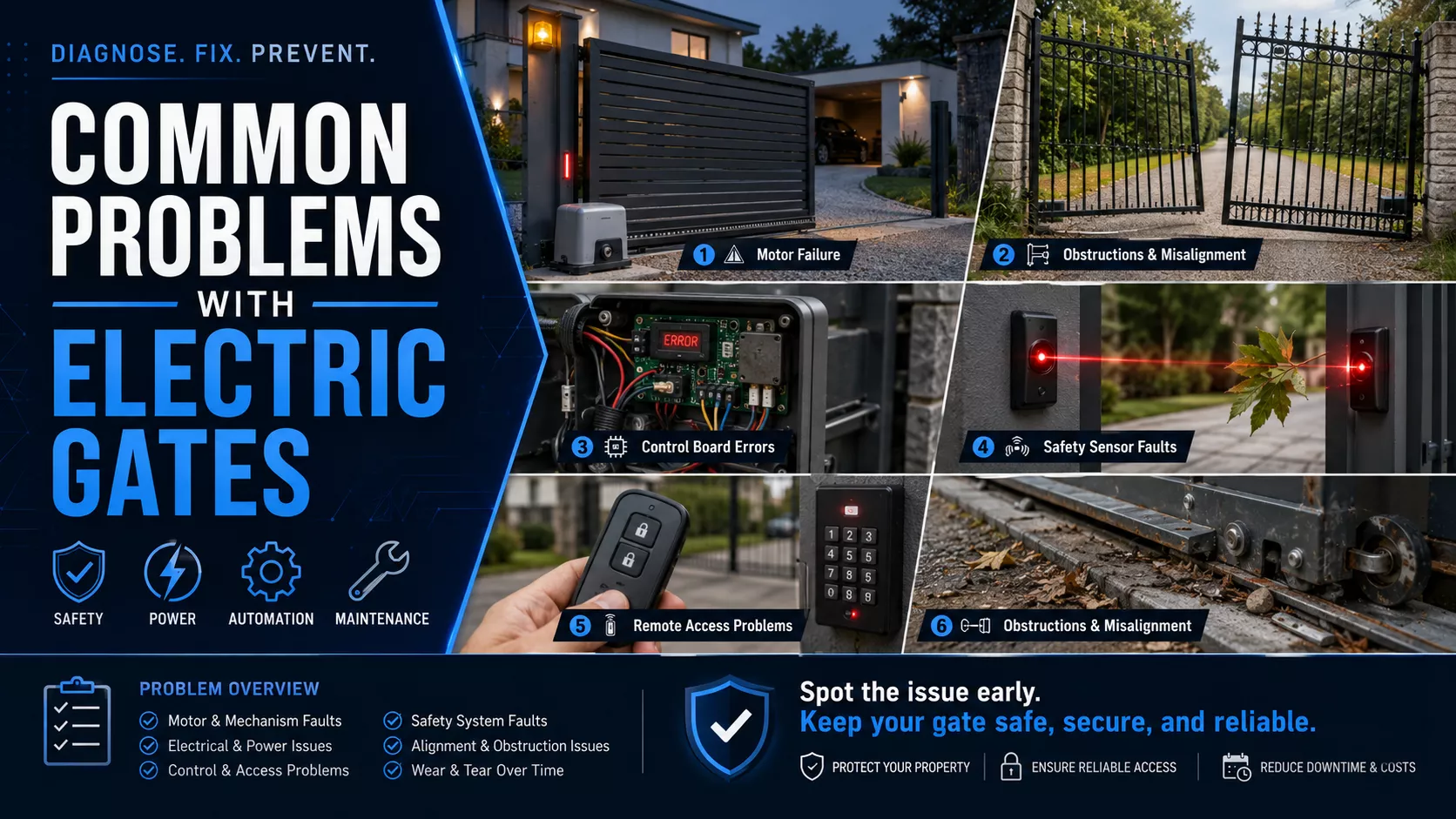
- Motor Issues: For automated gates, motor faults can prevent the gate from opening or closing properly, often linked to track resistance or mechanical failure.
- Sensor Problems: Faulty sensors can cause automated gates to stop unexpectedly or not respond to commands, often because of obstruction detection errors.
- Rust and Corrosion: Corrosion on the track or gate frame can cause stiffness, reduce structural integrity, and impair smooth sliding action.
Routine inspections, cleaning, and timely repairs help maintain gate track performance and prolong the lifespan of the gate system.
Common Track Issues
Alleyway gate tracks often encounter several problems that can disrupt smooth operation and cause damage over time. Understanding these common issues helps in timely maintenance and repairs.
- Debris Buildup: Sand, stones, leaves, and sticks frequently collect in the track, causing scratches, dents, and accelerated wear each time the gate moves.
- Rust and Corrosion: Steel or iron tracks can develop rust if protective coatings are damaged, weakening the metal and impairing smooth sliding.
- Derailment: When the gate falls off its track, usually due to worn wheels or misalignment, it results in jerky or swaying movements and may damage both the gate and track.
- Worn Wheels: Wheels that are worn down can jam or drag along the track, causing damage to the wheels themselves and the track surface.
- Unbalanced Gate: An uneven or unbalanced gate may scrape the track during movement, increasing wear and the risk of damage.
Regular cleaning, inspection, and prompt repair of these issues are key to maintaining reliable and safe gate operation.
Maintaining and Replacing Gate Tracks
Maintaining alleyway gate tracks is vital to ensure the gate operates smoothly and lasts longer.
- Regular Cleaning: Remove leaves, dirt, and debris from the tracks to prevent blockages that hinder gate movement.
- Lubrication: Apply suitable lubricant to rollers and other moving parts to reduce friction and minimise wear.
- Visual Inspection: Check frequently for signs of rust, corrosion, misalignment, or damage to identify problems early.
- Prompt Repairs: Address any issues immediately to avoid worsening damage and costly repairs.
When track damage is severe, replacement becomes necessary:
- Assess Damage: Evaluate whether the track can be repaired or if a full replacement is required.
- Prepare for Removal: Secure the gate and gather tools like drills, wrenches, and measuring tape before starting.
- Remove Old Tracks: Carefully detach the damaged tracks from their supports without harming the gate.
- Prepare New Tracks: Clean and, if needed, drill mounting holes on the new tracks.
- Install New Tracks: Attach the new tracks securely, ensuring they are properly aligned for smooth operation.
- Reattach Gate and Lubricate: Fix the gate back onto the new tracks, lubricate moving parts, and conduct a final inspection.
Consistent maintenance and timely replacement keep gates reliable and safe.
Final Thoughts
Preventive maintenance plays a crucial role in ensuring the long-term functionality and security of alleyway gates. Regularly inspecting and servicing key components such as hinges, locks, and gate alignment can significantly reduce common problems like wear, corrosion, sagging, or sticking. Lubrication, tightening screws, and addressing early signs of rust are essential practices that help maintain gate stability and ease of use. Additionally, ensuring locks are robust and protected, along with adding anti-climb features, enhances overall security and deters unauthorised access.
It is equally important to consider environmental and installation factors; proper gate placement, secure foundations, and correct sizing prevent operational issues and avoid disputes with neighbours. Proper key management and gentle, correct usage also reduce damage risks.
Knowing when to seek professional help is vital. Complex issues such as severe misalignment, major corrosion, damaged posts, or automated gate malfunctions require expert attention to ensure safe, effective repairs. Engaging qualified technicians guarantees compliance with safety standards and prolongs gate lifespan, ultimately saving time and expense over the long term.
Frequently Asked Questions
Common issues include worn or corroded hinges, faulty or jammed locks, misalignment causing sagging or dragging, damaged gate tracks, rust and weathering, and security weaknesses like exposed hinges or inadequate locks.
Look for uneven gaps between the gate and frame, dragging or rubbing on the ground, difficulty closing or latching properly, crooked appearance, or sensor malfunctions on automated gates. Visual inspection and checking hinge tightness can help identify misalignment.
Rust occurs when iron or steel reacts with oxygen and moisture. Factors like humidity, rain, salty coastal air, pollutants, and lack of protective coatings accelerate corrosion. Age, wear, and galvanic corrosion from dissimilar metals also contribute
Regularly clean and inspect the gate, remove debris, apply rust inhibitors or protective coatings like galvanising or powder coating, lubricate moving parts, and ensure proper drainage to keep moisture away from metal surfaces.
Clean tracks regularly to remove dirt, leaves, and stones; lubricate rollers and moving parts; inspect for rust or damage; and promptly repair or replace worn or misaligned tracks to ensure smooth gate operation.
Replace hinges or locks if they are bent, broken, heavily corroded, or if tightening screws does not restore a secure fitting. Heavy-duty, galvanised, or stainless-steel replacements provide better durability, especially for larger gates.
Check for wobbling or leaning posts and reinforce them with concrete or metal brackets. Severely unstable posts may need to be dug out and reset properly to support gate weight and maintain alignment.
Consult a qualified installer or locksmith for major repairs such as severe misalignment, damaged posts, malfunctioning automated systems, or high-security lock upgrades. Professionals ensure safe, compliant, and long-lasting solutions.