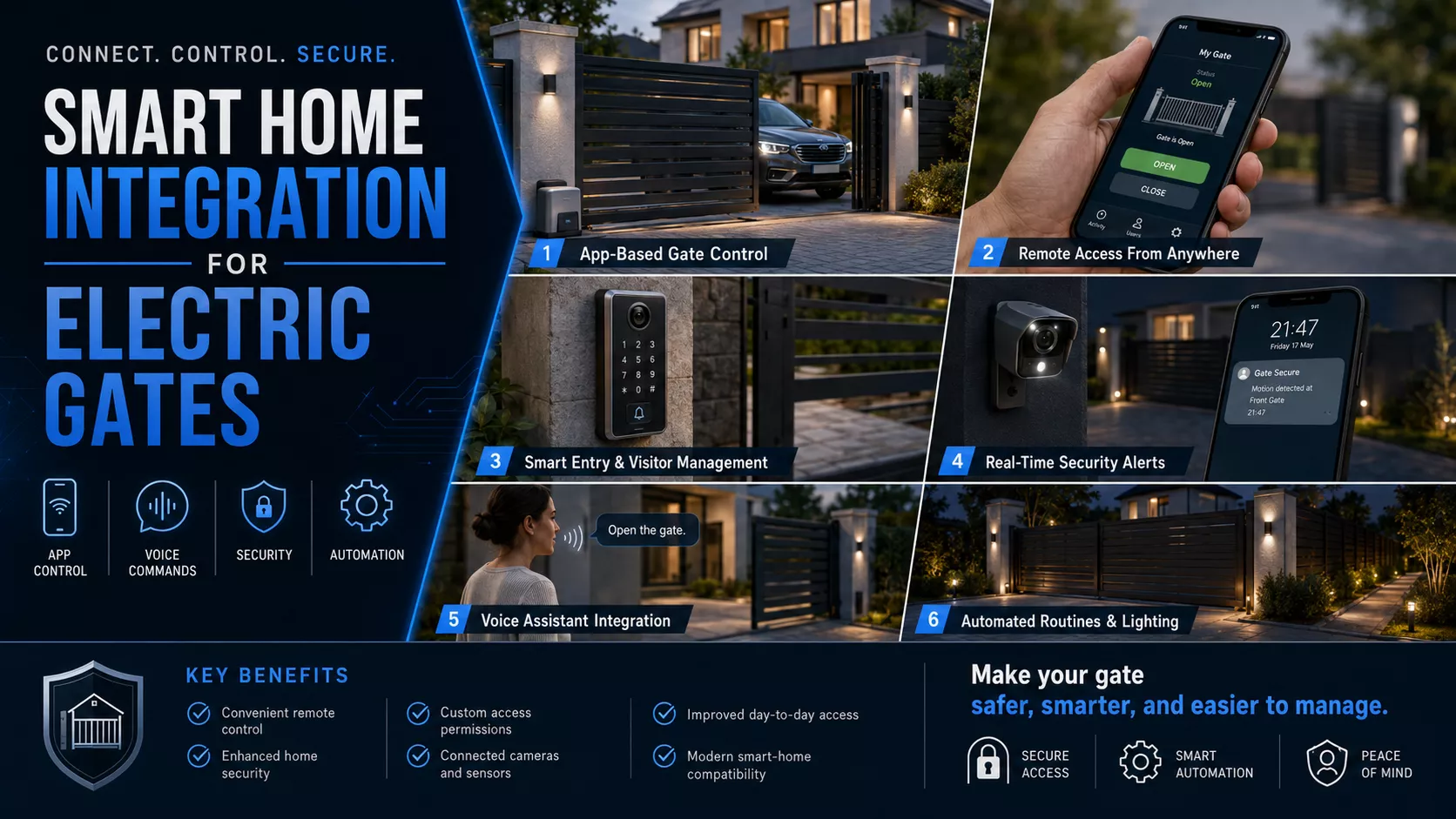
Alleyway gates are a crucial element in urban planning, providing both security and aesthetic benefits. These lockable gates are installed at alleyway entrances to limit access, reduce crime, and enhance the visual appeal of urban spaces.
Alleyway gates are an effective crime prevention measure in urban design. By restricting access to alleyways, they help prevent burglaries and antisocial behaviour. When strategically placed, they improve safety, enhance neighbourhood aesthetics, and contribute to cleaner, safer communities.
Alleyway gates increase city security by deterring crime, particularly burglaries and vandalism. They limit escape routes and prevent antisocial activities. Additionally, these gates can improve the neighbourhood’s aesthetics, especially when combined with greening initiatives, transforming neglected areas into attractive spaces.
Table of Contents
- 1. How Can Alleyway Gates Control Access to Private and Shared Spaces?
- 2. How Do Unique Gate Designs Enhance City Aesthetics?
- 3. What Are the Regulations and Zoning Guidelines for Alleyway Gate Installations?
- 4. What Are Some Successful Case Studies of Alleyway Gate Installations in Urban Areas?
- 5. Final Thoughts
- 6. Frequently Asked Questions
How Can Alleyway Gates Control Access to Private and Shared Spaces?
Alleyway gates play a vital role in controlling access to both private and shared spaces, particularly in residential areas. They provide a barrier that limits entry to specific individuals or groups, thus enhancing security and promoting a sense of ownership among residents.
There are several methods to control access to these spaces:
- Manual Locks: Basic locks allow residents to use keys for access, offering a simple, cost-effective solution.
- Mechanical Digital Locks: These provide a more secure and convenient method using a keypad entry system, which reduces the risk of unauthorised access.
- Automated Systems: Remote control or automated gates offer easy, secure access and allow residents to manage entry more efficiently.
- Signage: Clearly visible signs can indicate who is authorised to enter, helping to prevent unwanted access.
- Public Space Protection Orders (PSPOs): Local authorities may implement these orders to regulate access and enforce restrictions in certain areas.
In shared spaces, it is essential to consider the consent of all property owners before installing gates and ensure that legal rights are respected. Proper installation that maintains boundary integrity is also key. The benefits of alley gates include increased security, reduced antisocial behaviour, and an overall improved quality of life for residents.
Gates for Residential Communities and Urban Spaces
Alleyway gates are vital for enhancing security and the overall quality of life in residential communities and urban spaces. These gates, typically lockable, restrict access to alleyways, reducing opportunities for crime and improving the neighbourhood environment.
Purpose and Benefits:
- Crime Reduction: By limiting access to rear properties, alley gates act as a strong deterrent to burglars and criminals.
- Reduced Anti-Social Behaviour: Gates help reduce issues like littering, vandalism, and fly-tipping by restricting access to non-residents.
- Improved Community Safety: Alley gates make communities safer, especially for vulnerable residents like children.
- Increased Sense of Ownership: Residents take pride in maintaining gates, fostering a shared sense of responsibility and community spirit.
- Fly-Tipping Prevention: These gates prevent illegal waste dumping, improving cleanliness.
- Enhanced Public Realm: By reducing crime and antisocial behaviour, alley gates contribute to a more welcoming and pleasant public space.
Creating Defined Boundaries for Public and Private Areas
Creating clear boundaries between public and private spaces within an alleyway helps improve safety and community cohesion. This can be achieved using both physical and perceptual barriers.
Physical Barriers:
- Gates: Installing lockable gates at strategic points effectively marks the transition between public and private areas.
- Narrow Entrances: Narrowing entry points makes the alley less inviting for non-residents, enhancing security.
- Changes in Level or Surfacing: Elevation changes or different paving materials can further distinguish public from private spaces, offering both practical and visual cues.
Perceptual Barriers:
- Surveillance: Windows that overlook the alley provide natural surveillance, discouraging criminal activity.
- Signage: Clear signage helps indicate the division between public and private areas.
- Defensible Space: By encouraging ownership, residents are more likely to take responsibility for the alleyway, increasing vigilance.
Community involvement and legal considerations, such as gating orders, are essential for ensuring the success of these projects.
How Do Unique Gate Designs Enhance City Aesthetics?
Unique gate designs can significantly enhance the aesthetic appeal of urban environments while maintaining functionality. Alleyway gates, often considered purely for security, can double as design elements that contribute to the overall character and charm of a city. By integrating artful and thoughtful designs, these gates not only fulfil their practical purpose of controlling access but also become features that enhance the urban landscape.
Design Variations: Gates can be customised with artistic patterns, colours, and materials that reflect the identity of a neighbourhood or community. Using locally sourced materials, like wrought iron or decorative steel, can create a sense of pride and cultural identity.
Architectural Integration: Gates can be designed to complement the architecture of surrounding buildings, adding elegance while maintaining harmony with the environment. Features such as intricate metalwork, wooden panels, or green elements like vines or plants can blend functionality with beauty.
Public Engagement: Involving the local community in the design process can lead to more meaningful and visually appealing gates. Residents can contribute ideas that reflect their shared values, ensuring the gates align with the community’s values.
These unique designs contribute to the overall urban experience, transforming simple gates into urban landmarks that improve both security and the city’s aesthetic value.
Integrating Gates into the Overall City Design
Alleyway gates can be effectively integrated into the broader city design, enhancing urban spaces, security, and community engagement. Key considerations include:
- Design and Aesthetics: Gates should complement the surrounding architecture, using materials like powder-coated steel or traditional designs to match the local character.
- Functionality and Security: Gates should be robust and easy to operate, with features like self-locking mechanisms or key-operated systems to prevent unauthorised access.
- Community Engagement: Consult residents to address their concerns and needs regarding alleyway access, ensuring the scheme aligns with their expectations.
- Activation and Connectivity:
- Incorporate features like public art or green spaces to activate alleyways, making them inviting and functional.
- Alleyways can connect pedestrian and bicycle routes, improving overall city connectivity.
- Crime Prevention: Integrate alley gates as part of a broader crime prevention strategy, ensuring safety alongside other urban initiatives.
- Maintenance and Upkeep: Establish clear responsibilities for gate maintenance to ensure long-term functionality and aesthetic value.
Use of Artistic and Decorative Gates in Urban Environments
The integration of artistic and decorative gates in urban areas enhances both the functionality and aesthetic appeal of alleyways. Below is a table summarising the key benefits, features, and considerations when using these gates in urban environments:
Aspect | Description |
Aesthetic Enhancement | Artistic gates can transform utilitarian spaces into visually striking features. They can include sculptural designs or murals, reflecting local culture and history. |
Public Art | Gates can be designed as unique sculptural pieces or feature murals, adding creativity and vibrancy to urban landscapes. |
Historical & Cultural Expression | Incorporating local motifs or historical references into gate designs helps reflect the identity of the surrounding neighbourhood. |
Community Engagement | Involving residents in the design process fosters a sense of ownership, pride, and active participation in maintaining the space. |
Practical Benefits |
|
Security | Gates act as physical barriers, deterring unauthorised access, enhancing safety, and reducing crime in the area. |
Privacy | Gates provide privacy by offering a sense of seclusion and enclosure, especially in densely populated urban areas. |
Improved Usability | Artistic gates can make alleyways more inviting for pedestrian traffic, encouraging social interaction, especially when combined with lighting and landscaping. |
Examples of Integration |
|
Hall Gate, Doncaster | A project transforming an alley into a public art installation celebrating the city’s musical heritage, making the space vibrant and culturally meaningful. |
Alley Greening | Combining decorative gates with greenery, such as planters or trees, can enhance the aesthetic and provide recreational spaces. |
Murals & Street Art | Graffiti and street art can turn bland alleyways into colourful and creative urban galleries. |
Considerations |
|
Balance of Aesthetics & Functionality | Gates must be both visually appealing and durable enough to withstand daily use and potential vandalism. |
Community Input | Ensuring residents are involved in the design process ensures the gates reflect the needs and preferences of the community. |
Maintenance | Regular maintenance is crucial for preserving both the functional and aesthetic qualities of the gates. |
What Are the Regulations and Zoning Guidelines for Alleyway Gate Installations?
Alleyway gate regulations and zoning guidelines govern the installation of gates in both public and private alleys, typically to improve safety and reduce antisocial behaviour. These guidelines vary depending on the location and the status of the alleyway, with key considerations including ownership, height restrictions, and accessibility.
- Public vs. Private Alleyways: Public alleys, managed by local authorities, often have stricter rules compared to private alleyways, which are typically maintained by residents. Regulations for public alleys may require formal approval, such as a Traffic Regulation Order or a Gating Order.
- Planning Permission: Installing gates in public alleyways generally requires planning permission. In contrast, private alleyways may not require permission, provided they meet specific height and location requirements.
- Key Restrictions: Common restrictions include height limits (usually around 2 metres) and design features that ensure visibility and prevent climbing. Gates in public rights of way must also allow continued access for pedestrians and emergency vehicles.
- Community Involvement and Maintenance: Community support is crucial for alley gating schemes. Additionally, agreements on maintenance responsibilities and ensuring emergency access are vital to the long-term success of the project.
Legal Requirements for Alleyway Gate Installations
Legal requirements for alleyway gate installations differ based on location, but several key considerations apply universally.
- Consent from Affected Residents: Installing a gate typically requires approval from residents who are directly impacted, especially in shared or private alleyways.
- Public Right of Way: If the alleyway is a public right of way, the installation must not obstruct pedestrian or vehicle access. Legal processes, such as a Gating Order, may be necessary to restrict access legally.
- Planning Permission: Gates in public alleys often require planning permission, ensuring they comply with local zoning and building regulations.
- Impact on Services: Considerations must be made regarding emergency access, waste collection, and disabled access. Gates must allow emergency vehicles and waste collection to pass through without obstruction.
- Building Regulations: Gates must meet specific structural and safety standards to ensure durability and security.
These legal requirements ensure that alleyway gate installations balance safety, accessibility, and community needs.
Zoning Laws and Permits for Urban Gates
When installing a gate in an urban alleyway, it’s essential to navigate local zoning laws and obtain the appropriate permits. In many cases, replacing an existing gate with one of the same height or smaller does not require permission. However, if the gate’s height is increased, particularly in areas with vehicle access, planning permission is likely needed.
Key Considerations:
- Height Restrictions: Many areas impose height limits for gates, especially if the alley is near roads or used by vehicles.
- Public Right of Way: Additional permissions may be necessary if the alleyway is a public right of way.
- Ownership and Agreements: It’s crucial to confirm alley ownership and gain consent from affected property owners.
- Design and Materials: Zoning laws may specify acceptable materials and design features for gates.
- Emergency Access: Gates must not block emergency services’ ability to access the alley.
Steps to Take:
- Research local zoning regulations.
- Consult with planning departments or building inspectors.
- Secure the necessary permits and approvals before installation.
- Coordinate with neighbours if the alley is shared.
- Ensure the design complies with regulations and accommodates emergency access.
What Are Some Successful Case Studies of Alleyway Gate Installations in Urban Areas?
Several urban alleyway gate projects have successfully improved safety, aesthetics, and community engagement in cities worldwide. These case studies highlight the benefits and challenges of integrating gates into urban planning.
- The Hall Gate, Doncaster: This project transformed a neglected alleyway into a vibrant public art space. The alley now features a decorative gate that reflects the city’s musical heritage, while also improving security and reducing antisocial behaviour. The installation process involved community input and planning, making it a prime example of how alley gates can enhance both safety and cultural identity.
- London’s Green Alley Initiative: In several areas of London, alleyway gates have been installed alongside greening projects, which include plantings, green walls, and improved lighting. This initiative has not only reduced crime but also created attractive, usable spaces for the community to gather. The gates prevent access by non-residents while encouraging more pedestrian traffic in previously neglected spaces.
- Manchester’s Heritage Alleyways: In Manchester, gates were introduced in historical alleyways to protect heritage sites while maintaining accessibility. The gates are designed to blend with the architectural style of the area, preserving its historical character while improving security.
These case studies demonstrate how thoughtful alleyway gate installations can have a transformative impact on urban spaces, balancing security with aesthetic and community needs.
Examples of Cities Using Alleyway Gates Effectively
Several UK cities have successfully implemented alleyway gates to enhance safety, aesthetics, and community engagement.
- Doncaster: The Hall Gate project revitalised a neglected alleyway into a public art installation that celebrates the city’s musical heritage. The gates improved security and reduced antisocial behaviour while fostering local pride and creating a community space.
- London: In areas such as Camden and Islington, alleyway gates have been introduced as part of greening initiatives. These gates, along with the addition of plantings and improved lighting, have transformed underutilised spaces, reduced crime, and made the neighbourhoods more pedestrian-friendly.
- Manchester: Manchester has effectively used alleyway gates to protect historical areas while maintaining access for residents and businesses. The gates blend with the city’s architectural style, improving security without disrupting the area’s heritage or character.
These examples showcase how alleyway gates can play a crucial role in improving urban spaces in the UK by increasing safety and fostering community pride.
Lessons Learned from Urban Gate Projects
Urban gate projects have provided valuable insights into designing effective, functional, and community-oriented spaces.
- Community Involvement: Successful projects highlight the importance of engaging local residents in the design and decision-making process. Involving the community ensures that the gates reflect local needs and fosters a sense of ownership, which is crucial for long-term success.
- Balancing Security with Accessibility: While gates enhance security, they must be carefully designed to avoid obstructing emergency services or public access. Projects that ensure ease of entry for authorised personnel and residents, without compromising safety, are more likely to succeed.
- Aesthetic Considerations: Aesthetic value is just as important as functionality. Gates that complement the surrounding architecture and incorporate local culture can significantly improve the visual appeal of urban spaces.
- Maintenance Planning: Ensuring ongoing maintenance and setting clear responsibilities is essential. Well-maintained gates continue to provide security and aesthetic value while preventing future issues.
These lessons stress the importance of thoughtful planning, community input, and design balance in creating successful urban gate installations.
Final Thoughts
Alleyway gates, or alley gating, have proven to be a valuable tool in urban planning, offering both crime prevention and community enhancement benefits. These gates effectively restrict access, reducing the likelihood of burglaries and antisocial behaviour, especially in areas where alleyways are often targeted by criminals. By providing clear boundaries, they reduce crime opportunities, making it more difficult for criminals to use alleyways as escape routes or entry points.
Alley gates contribute to urban development by fostering safer, more cohesive communities. They help improve residents’ sense of security and, in some cases, encourage local pride and ownership, as residents take responsibility for maintaining the area. Additionally, alleyways, once neglected, can be transformed into valuable green spaces that offer both aesthetic and recreational benefits.
Strategically placed gates, combined with community involvement, can contribute significantly to urban renewal efforts. They play a key role in broader crime prevention strategies and complement other initiatives like improved street lighting and public awareness campaigns. The careful design and integration of alley gates into urban spaces can lead to both improved security and the creation of vibrant, community-driven public areas.
Frequently Asked Questions
Answer: Alleyway gates are lockable barriers installed at the entrances and exits of alleyways to control access. They are important in urban planning because they reduce crime, prevent antisocial behaviour, and enhance the aesthetic appeal of urban spaces. These gates also improve safety, especially in residential areas where alleyways are vulnerable to crime.
Answer: Alleyway gates restrict access to alleyways, particularly rear access to properties, reducing the likelihood of burglaries, vandalism, and antisocial behaviour. By making it harder for criminals to use alleyways as escape routes or entry points, these gates help decrease overall crime opportunities.
Answer: Alleyway gates offer multiple benefits in residential areas, including:
- Crime Reduction: Limiting access to alleyways deters burglars and criminals.
- Reduced Anti-Social Behaviour: Gates prevent fly-tipping, vandalism, and other disruptive activities.
- Improved Community Safety: Increased security, especially for vulnerable residents.
- Increased Sense of Ownership: Residents take pride in maintaining the alleyway, fostering a sense of community.
Answer: Alleyway gates can be designed with artistic and decorative elements, such as murals or sculptural designs, that reflect local culture and history. These gates can transform neglected alleyways into visually striking spaces, contributing to the overall charm and identity of a neighbourhood.
Answer: Yes, there are legal and zoning requirements for installing alleyway gates. These vary depending on the alley’s status (public or private) and location. In some cases, planning permission is required, especially in public alleys or where the gate’s height or design changes significantly. Public rights of way must also be considered to avoid blocking access for pedestrians or emergency vehicles.
Answer: Alleyway gates can be integrated into urban design by considering factors like the surrounding architecture, community needs, and safety. Gates should complement the city’s aesthetic, provide secure access, and be functional for both residents and emergency services. Community involvement is crucial to ensure the gates meet local expectations and contribute to the neighbourhood’s character.
Answer: When installing alleyway gates in shared spaces, it is important to:
- Obtain consent from all property owners who are directly affected.
- Respect legal rights and ensure boundary integrity.
- Consult the community to ensure access needs are met and residents are involved.
- Consider maintenance to ensure long-term functionality and aesthetic appeal.
Answer: Yes, alleyway gates can contribute to environmental and community goals. When integrated with greening initiatives, such as adding plants or creating green spaces, they transform alleyways into attractive, usable areas for community engagement. Gates can also encourage social interaction and improve the quality of life by providing more pleasant public spaces.
Answer: Alleyway gates limit access to specific individuals or groups, effectively reducing antisocial behaviour like fly-tipping, drug use, and vandalism. By restricting unwanted access, gates help create safer and more controlled environments for residents, fostering a stronger sense of security and community cohesion.
Answer: Some challenges include:
- Displacement of Crime: In some cases, alleyway gating may simply shift criminal activity to other areas, though research suggests this is not always the case.
- Aesthetic Concerns: Some residents may worry that the gates detract from the visual appeal of their neighbourhood.
- Ongoing Maintenance: Regular maintenance and clear agreements on responsibility are essential to keep gates functional and aesthetically pleasing over time.