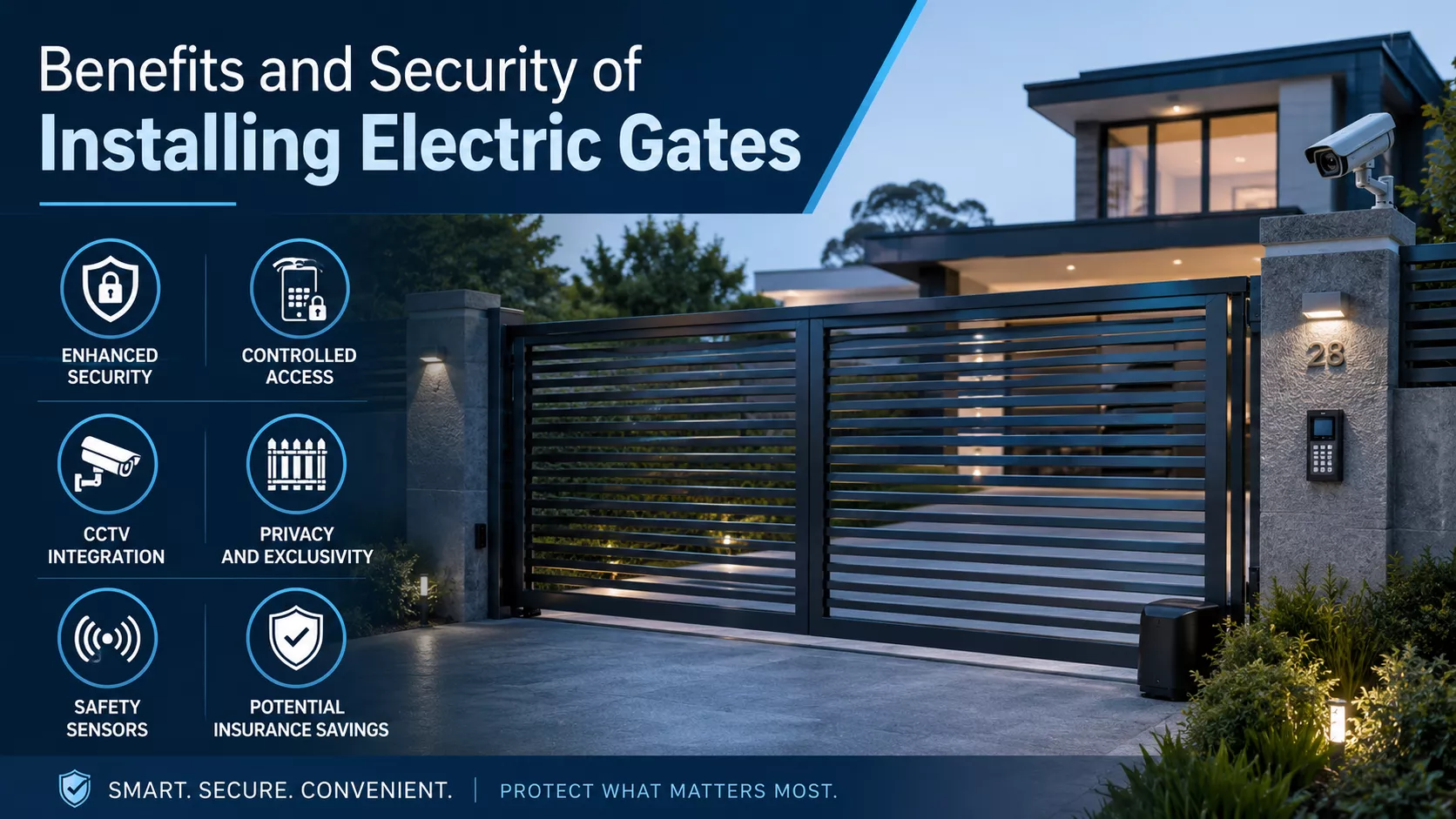
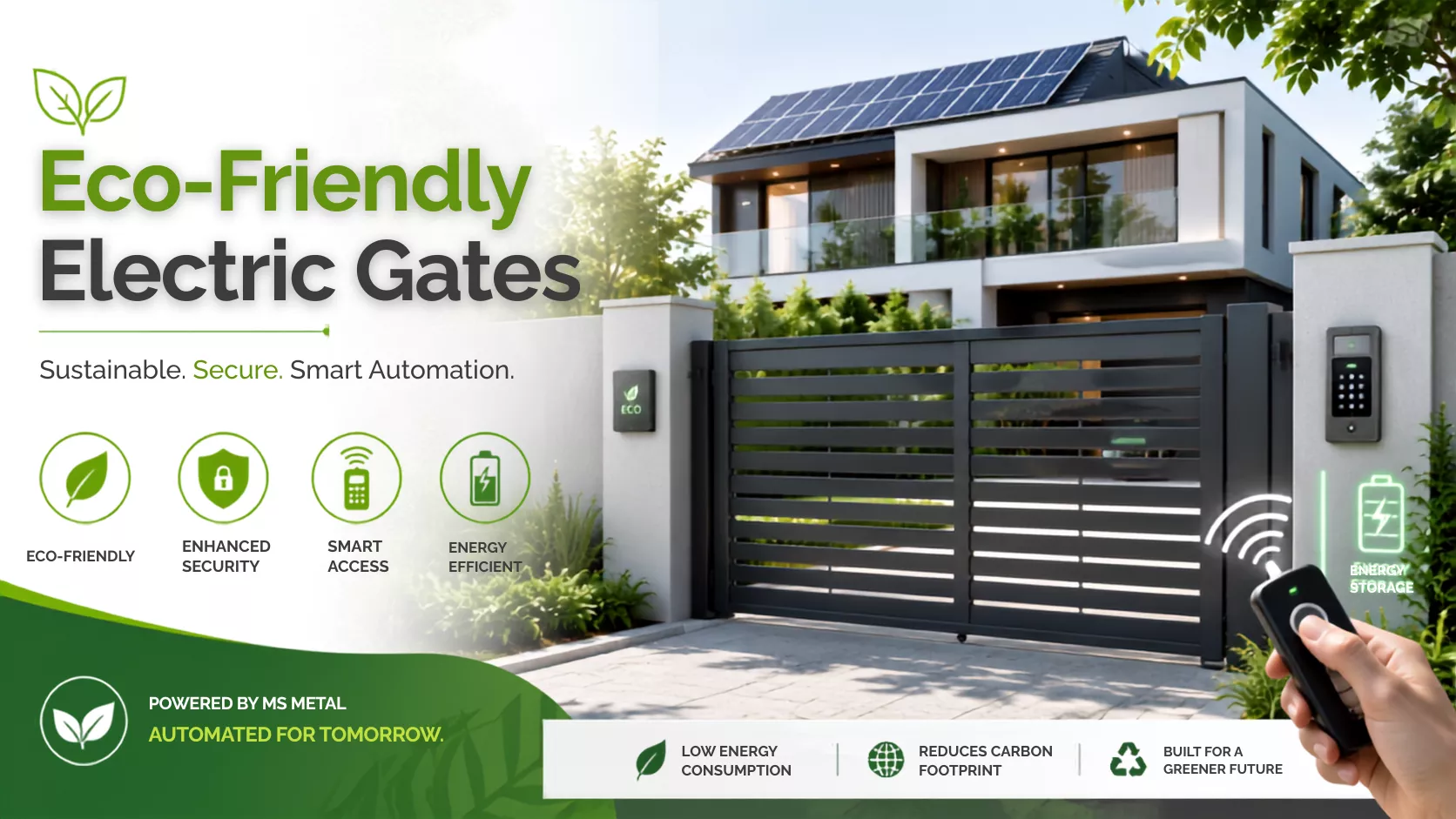
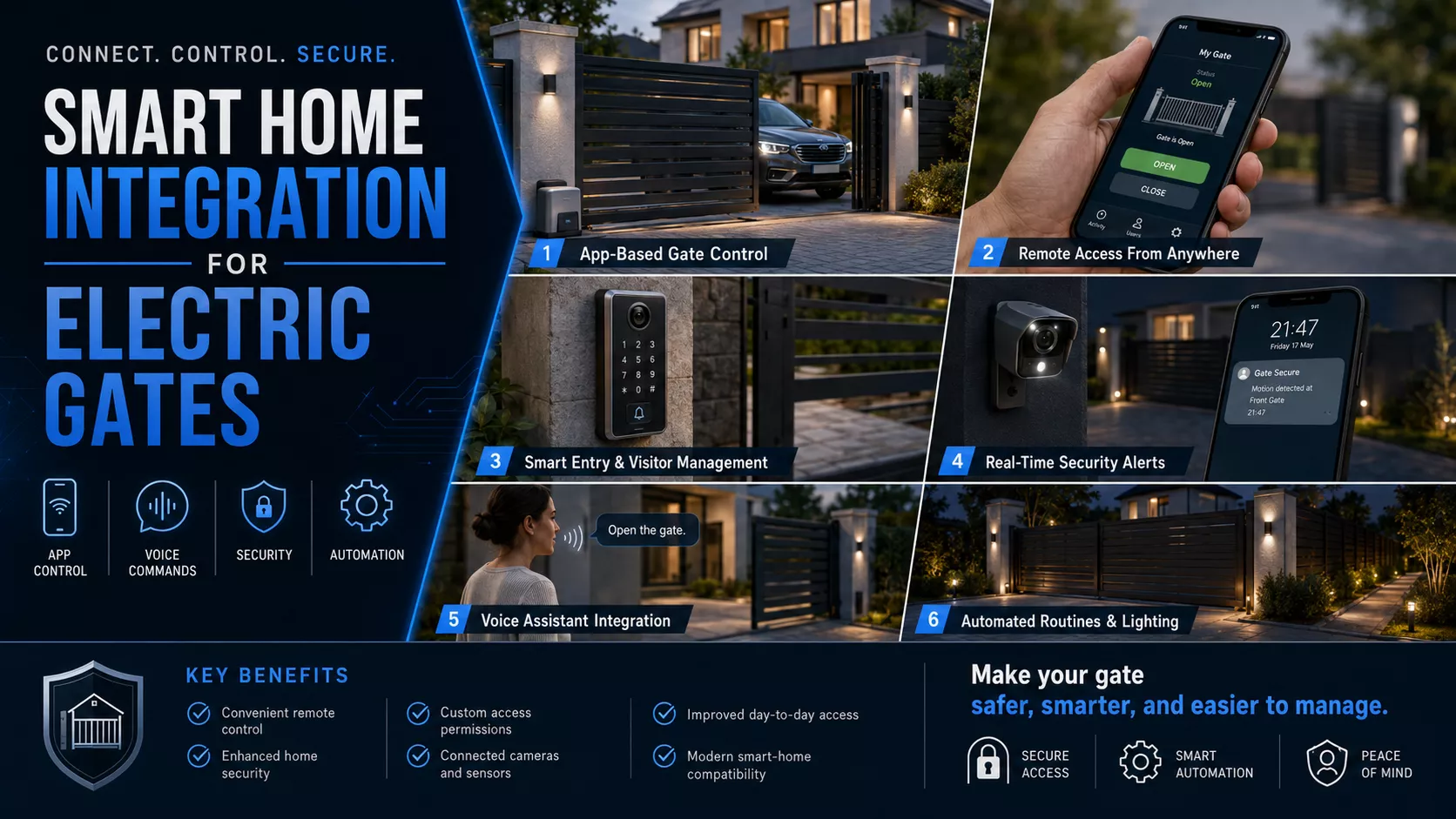
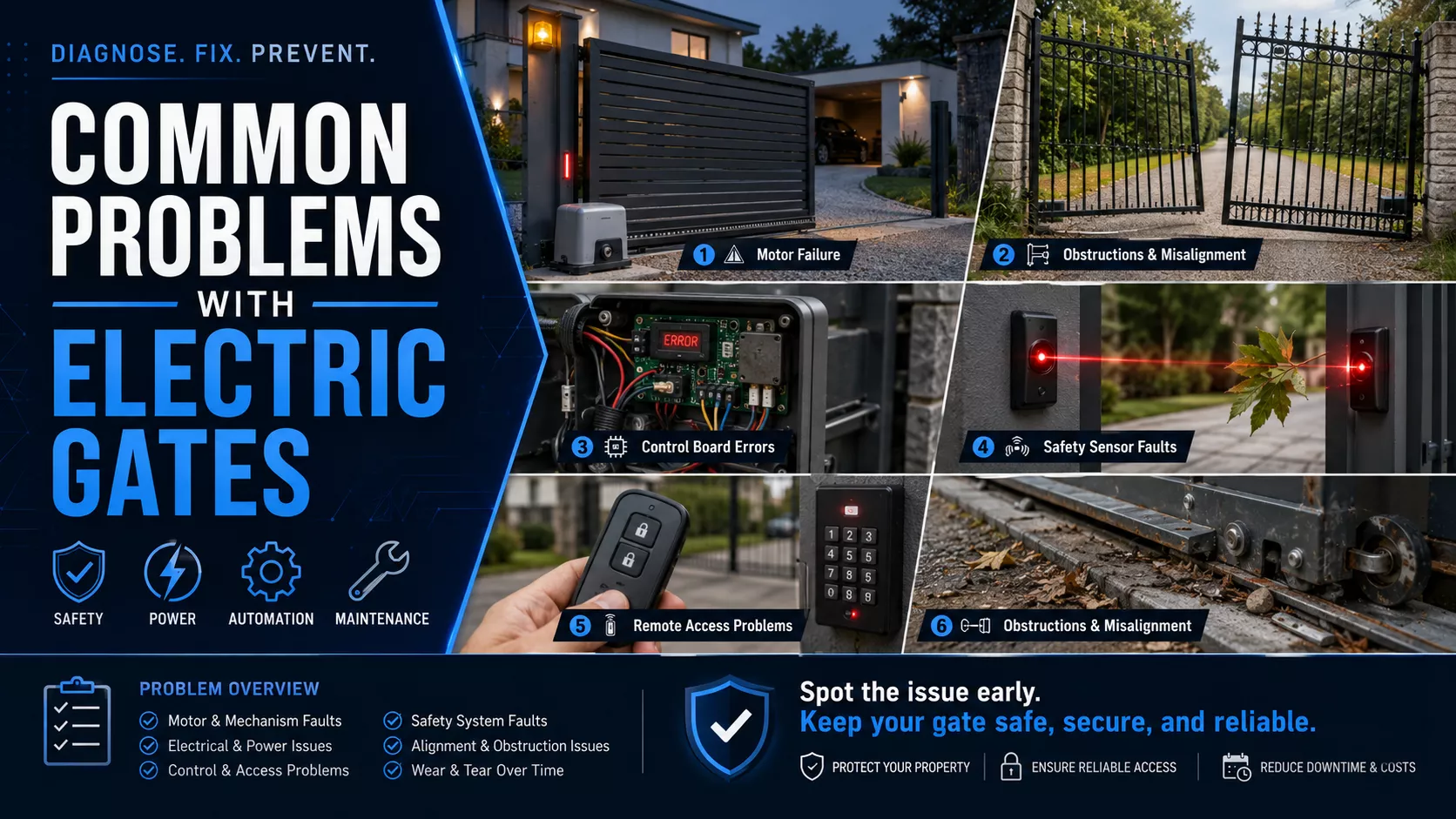
Alleyway gates serve a critical role in protecting commercial properties. They create controlled access points, strengthen perimeter security, and shield operational zones from public exposure. In high-density areas, where alleyways often serve as delivery routes or rear entrances, these gates offer targeted protection against common risks.
Security remains a top priority for businesses. Commercial sites are frequent targets for theft, vandalism, illegal dumping, and unauthorised entry, especially through secluded alleyways. Alleyway gates act as physical deterrents, reducing exposure by restricting access to vulnerable zones like loading docks, waste areas, and emergency exits. Their presence lowers crime risk, limits liability, and improves site control.
These gates are ideal for business security because they combine practical defence with professional presentation. They help define private areas, prevent visual intrusion, and maintain a clean, structured environment. From a property value perspective, secured commercial spaces attract stronger tenant interest and higher resale potential due to their enhanced safety profile.
By integrating physical control with visual deterrence, alleyway gates meet both operational and reputational needs. They are not just barriers; they are strategic assets that protect commercial activity while reinforcing trust, efficiency, and long-term asset value.
Table of Contents
What Are the Types of Commercial Alleyway Gates?
Commercial alleyway gates are designed to suit various spatial layouts, traffic demands, and security requirements. Each type offers distinct advantages based on movement style, material, and installation context.
- Swing Gates
- Open inward or outward on hinges
- Available in single-leaf or double-leaf formats
- Suitable for standard alleyways and low-traffic zones
- Sliding Gates
- Move horizontally along the ground or an overhead track
- Ideal for narrow alleyways with restricted swing space
- Support smooth operation in high-use areas
- Bi-Folding Gates
- Fold in sections like an accordion
- Minimise clearance space compared to swing gates
- Useful in high-traffic commercial settings
- Cantilever Gates
- Slide without a ground track (trackless design)
- Effective on uneven surfaces or snow-prone areas
- Require side space for counterbalance support
- Vertical Lift and Pivot Gates
- Lift straight upward or rotate vertically
- Operate well in areas with limited ground space
- Common in industrial loading or delivery bays
- Security Gates
- Reinforced for higher protection levels
- Include anti-climb features and heavy-duty materials
- Often paired with access control systems
- Pedestrian Gates
- Smaller access points integrated within larger gates
- Allow controlled foot traffic separately from vehicle access
- Enhance safety in mixed-use areas
- Mesh Gates
- Feature steel or aluminium mesh infill
- Maintain visibility while restricting unauthorised access
- Blend security with aesthetics
- Rolling Gates
- Roll vertically like roller shutters
- Ideal for wider entrances with vertical clearance
- Require overhead housing space
- Automated Gates
- Include motorised opening via remotes, keypads, or sensors
- Enhance convenience and access management
- Available across most gate types
Each gate type combines function, material, and movement to support tailored commercial site protection.
High-Security Gates for Warehouses and Factories
High-security alleyway gates protect warehouses and factories by restricting unauthorised access and securing high-value assets. These gates provide physical barriers to reduce theft, intrusion, and site risk.
Popular gate types include:
- Cantilever Sliding Gates: Ideal for uneven ground and tight spaces. They operate without ground tracks and support heavy-duty automation.
- Bi-Folding Gates: Open and close rapidly, making them suitable for high-traffic industrial settings with space limitations.
- Standard Sliding Gates: Offer robust steel construction and can span wide openings securely.
- Swing Gates: Used in large entryways; available in manual or automated versions for better control and convenience.
- Vertical Lift and Pivot Gates: Provide maximum security with fast operation and resistance to forced entry.
These gates often feature anti-climb infills, reinforced frames, powder coating, and integrated access systems such as keypads, RFID, and intercoms, ensuring both durability and operational control.
Access Control Systems for Commercial Gates
Access control systems for commercial gates ensure secure, managed entry to business premises. These systems provide controlled gate operation through automated and manual verification tools. They help businesses prevent unauthorised access while improving convenience and security monitoring.
Key solutions include:
- Keypad Entry Systems: Users enter a secure PIN to open gates. Common in staff-only zones or private car parks.
- Remote Controls: Fobs or handheld devices allow entry from vehicles, ideal for fleet access or loading areas.
- Intercom Systems: Enable communication between visitors and staff before granting access. Used in offices, warehouses, and gated service areas.
- Magnetic Card Readers and Tags: Allow access via swipe cards or proximity tags, useful for tracking personnel movement.
- Safety Sensors: Installed on electric gates to detect obstructions, prevent damage, and improve compliance with safety regulations.
These systems enhance site safety, reduce manual supervision, and support integration with broader building security infrastructure.
Automatic Gates for Industrial Use
Automatic gates for industrial use provide efficient, secure, and controlled access to high-traffic commercial sites. These gates enhance operational flow by automating entry and exit processes, reducing the need for manual intervention.
Common types include:
- Automated Sliding Gates: Ideal for warehouses and logistic hubs with limited side clearance.
- Bi-Folding Automatic Gates: Designed for fast operation in busy access points with restricted space.
- Automated Swing Gates: Suitable for wider entrances, available in single or double-leaf formats.
- Vertical Lift or Pivot Gates: Offer secure operation where horizontal clearance is minimal.
Automation options include remote controls, vehicle sensors, keypads, RFID cards, and GSM systems. These allow seamless access for authorised personnel and vehicles. Integrated safety features like photocells, loop detectors, and emergency stop mechanisms prevent accidents and protect users.
Automated gates support both perimeter security and operational efficiency, key for industrial environments with continuous vehicle flow.
What Is the Cost-Benefit Analysis for Businesses Installing Alleyway Gates?
A comprehensive cost-benefit analysis evaluates both the financial investment and the long-term advantages of installing alleyway gates for businesses. Below is a table outlining key factors, costs, and benefits associated with the installation of these gates:
Factors | Costs | Benefits |
Installation Costs | – Gate purchase (materials like steel or wood) | – Enhanced security through restricted access |
| – Labour for installation | – Increased sense of safety for staff and customers |
| – Custom design and gate type selection | – Protection of high-value assets (e.g., equipment, stock) |
Maintenance Costs | – Ongoing upkeep: painting, lubrication, repairs | – Long-term reliability and smooth gate operation |
| – Potential repairs due to wear and tear (hinges, locks) |
|
Insurance Premiums | – Possible increase in premiums if the gate does not meet insurer standards | – Reduced premiums due to enhanced security measures |
Crime Reduction | – Investment in security infrastructure (physical barrier) | – Reduced theft, vandalism, and anti-social behaviour (fly-tipping, littering) |
Property Value | – Initial installation and potential permitting costs | – Increased property value and attractiveness to potential buyers/tenants |
Anti-Social Behaviour | – No direct costs, but installation and maintenance expenses are involved | – Reduction in unwanted activities such as loitering and illegal dumping |
Local Authority Permissions | – Fees and time for obtaining planning approval, if needed | – Compliance with local regulations, ensuring no legal challenges |
Community Engagement | – Time and resources for consulting stakeholders if the alleyway is shared | – Strengthened community relations and shared responsibility for property security |
Long-Term Maintenance | – Potential ongoing repair costs as the gate ages | – Fewer maintenance issues if regular upkeep is done |
Summary of Key Considerations:
- Type of Gate: The choice of materials and gate type (e.g., sliding, swing, automated) directly affects both initial and long-term costs.
- Local Regulations: Permits or approvals may be required for installation, adding to initial expenses.
- Shared Spaces: If the alleyway is used by multiple businesses, collective decision-making and consent are required for gate installation.
This analysis helps businesses weigh the upfront and ongoing investment against the potential security and financial benefits.
Initial Installation Costs
The initial installation cost of alleyway gates depends on various factors such as gate type, materials, and installation complexity. Below is a detailed breakdown of the factors affecting costs:
Cost Factor | Description | Estimated Costs |
Gate Type | – Manual Gates: Less expensive, with basic opening and closing mechanisms. | £158 – £728 per gate |
| – Automated/Electric Gates: Include motorised systems, often with remote control or integration with smart home systems. | £500 – £1,500 per gate |
Materials | – Wood: Affordable but less durable, typically used in low-budget installations. | £158 – £728 per gate |
| – Metal/Steel: Stronger and more durable, often chosen for higher security. | £500 – £1,500 per gate |
| – Composite Materials: A middle ground in terms of cost, offering durability and aesthetic appeal. | £500 – £1,000 per gate |
Size and Design | – Standard Size: Smaller gates and standard designs are less costly. | £158 – £728 per gate |
| – Custom Designs: Larger or custom gates require more materials and work, increasing the cost. | £728 – £1,453.21 per gate |
Installation Complexity | – Easy Installation: Straightforward setups with no significant terrain issues. | Lower installation cost |
| – Complex Installations: Custom fabrication, difficult terrain, or special installation techniques increase costs. | Additional £100 – £300 depending on complexity |
Labour Costs | – Installation rates vary depending on location and installer expertise. | £100 – £400, depending on the complexity and location |
Additional Costs | – Permits, waste removal, or administrative fees may apply, particularly for larger installations. | £50 – £500 depending on location and project size |
Long-Term Savings on Security and Maintenance
Investing in durable materials and proactive maintenance for alleyway gates can result in significant long-term savings for businesses. Metal gates, particularly those made from steel or wrought iron, offer exceptional durability and resistance to weather, pests, and physical damage. Additionally, powder coating enhances protection by preventing rust, corrosion, and fading, reducing the need for frequent repainting.
Routine maintenance, such as regular cleaning, lubrication of moving parts, and rust prevention, helps extend the lifespan of the gates. Unlike wooden gates, which require regular sealing and staining, metal gates demand far less upkeep.
Financially, some local authorities provide grants to cover part of the installation cost, further reducing the initial investment. Maintenance agreements with suppliers or local authorities can also ensure ongoing upkeep, minimising repair expenses. With these measures in place, businesses can reduce long-term operational costs while enhancing site security.
ROI from Enhanced Security Features
Installing alleyway gates with enhanced security features can provide a substantial return on investment (ROI) for businesses. While the initial installation cost varies, the long-term benefits, such as crime reduction and improved property value, often far exceed the expense.
Key factors affecting ROI include:
- Initial Investment: Covers the cost of gates, installation, and necessary infrastructure adjustments.
- Operational Costs: Includes maintenance, repairs, and energy usage for automated systems.
- Security Benefits: Alley gates can drastically reduce burglaries, vandalism, and anti-social behaviour, especially in high-risk areas. For example, certain London areas have seen burglary rates drop by up to 90% with alley gates in place.
- Property Value: Enhanced security improves a property’s attractiveness, leading to higher resale or rental values.
- Insurance Savings: Reduced risk often results in lower insurance premiums, contributing to further savings.
- Labour Savings: Automated gates reduce the need for constant manual monitoring, cutting labour costs.
By mitigating risks and enhancing the value of the property, alleyway gates offer a strong ROI for businesses.
What Are Custom Solutions for Commercial Properties?
Custom alleyway gates provide tailored security, functionality, and aesthetic benefits for commercial properties. By choosing specific materials, designs, and automation features, businesses can ensure their gates meet unique operational requirements while enhancing the property’s overall look.
Customisation Options:
- Materials: Choose from durable steel (galvanised or powder-coated), timber, or composite blends, depending on the desired strength and appearance.
- Styles: Gates can range from sleek, modern designs to ornate, classic styles, reflecting the property’s character.
- Decorative Elements: Finials, engraved panels, and decorative post caps can elevate the gate’s appearance, aligning it with architectural aesthetics.
- Access Control: Features like RFID readers, biometric systems, intercoms, and keypads allow for secure, regulated access.
- Automation: Automated gates, offering scheduled operations, remote monitoring, and automatic locking mechanisms, provide convenience and enhanced security.
- Integration: Custom gates can be integrated with existing security systems, such as CCTV and alarms, for seamless protection.
Key Considerations:
- Security Needs: Tailor the materials and access systems to the level of security required.
- Property Layout: Consider available space and operational mechanics (swing, sliding, or bi-fold) for optimal gate function.
- Aesthetics: Ensure the gate complements the building’s design.
Custom solutions not only enhance security but also improve property value and operational efficiency, making them a worthwhile investment.
Tailored Gate Designs for Specific Business Needs
Tailored alleyway gates offer businesses a custom solution that blends security, functionality, and aesthetics. These gates are designed to meet unique operational requirements, ensuring they align with the business’s specific needs.
Key Considerations:
- Security: Businesses can incorporate reinforced frames, advanced locking mechanisms (e.g., coded or digital locks), and integrated access control systems to enhance security.
- Aesthetics: Custom gates can reflect the business’s branding, with options to choose materials, colours, and decorative elements that complement the property’s architecture.
- Functionality: The design should cater to specific traffic flow needs, such as providing easy access for deliveries or ensuring privacy for sensitive areas.
Examples include high-security gates for restricted areas, gates with branding for retail or hospitality businesses, and bi-folding or sliding gates for sites with heavy vehicle traffic.
Benefits:
- Enhanced Security: Customised designs deliver tailored protection for valuable assets and employees.
- Improved Curb Appeal: A well-designed gate adds to the property’s overall visual appeal, making a positive first impression.
- Increased Property Value: Custom gates boost both the security and aesthetics of a property, contributing to its long-term value.
Integration with Other Security Systems
Integrating alleyway gates with other security systems creates a unified, more effective security solution for commercial properties. These integrations enhance monitoring, streamline operations, and improve response times to incidents.
Key Integration Options:
- Access Control Systems: Gates can connect with keypads, RFID readers, and intercoms to limit access to authorised personnel only. Integration with existing systems allows centralised control of all entry points.
- Video Surveillance: CCTV cameras can be installed to monitor gate activity, while video analytics can detect unusual events, such as tailgating or unauthorised access, triggering alerts.
- Alarm Systems: Integrating with intrusion detection systems enables real-time alerts if gates are tampered with or breached. Intercom systems also allow communication with visitors before granting access.
- Other Systems: Integration with HR or logistics systems can track employee attendance or vehicle movements, enhancing operational efficiency.
Benefits:
- Enhanced Security: A unified system strengthens overall protection.
- Efficiency: Centralised control reduces manual interventions.
- Remote Monitoring: Security staff can monitor activities from a single platform.
This integration enhances the security and operational efficiency of commercial properties.
Final Thoughts
Alleyway gates offer numerous benefits for businesses, enhancing security, privacy, and overall property value. They provide a physical barrier that deters unauthorised access, reduces the risk of theft, vandalism, and anti-social behaviour, and can even improve the aesthetic appeal of the property. Well-designed gates also contribute to long-term savings by lowering maintenance costs and potentially reducing insurance premiums. Automated gates offer added convenience, ensuring seamless operations for businesses with high traffic volumes or specific access needs.
When choosing the right gate for your commercial property, it’s essential to consider several factors. First, assess the level of security required, whether you need basic access control or high-security features. The gate type should align with your property’s layout and usage, whether that’s a sliding, swing, or bi-folding design. Material choice plays a significant role in durability, with metal gates offering greater resistance to wear and environmental damage compared to wood or composites. Additionally, integrating the gate with other security systems, such as video surveillance or access control, can provide a comprehensive, streamlined solution for monitoring and managing access. By carefully evaluating these factors, businesses can select a gate that meets their specific needs, enhances security, and improves operational efficiency.
Alleyway gates provide enhanced security, reduce the risk of theft, vandalism, and anti-social behaviour, and protect sensitive areas like loading docks and waste zones. They also improve property value, reduce insurance premiums, and can enhance the aesthetic appeal of the property.
Common types of alleyway gates include swing gates, sliding gates, bi-folding gates, cantilever gates, vertical lift and pivot gates, and automated gates. Each type has specific advantages depending on space, traffic flow, and security requirements. For example, sliding gates are ideal for narrow spaces, while automated gates provide added convenience for high-traffic areas.
Custom alleyway gates can be designed to meet specific security needs by incorporating features such as reinforced frames, advanced locking systems (e.g., RFID, biometric access), and integration with surveillance systems. These gates are tailored to the business’s operational needs, improving both security and functionality.
When selecting an alleyway gate, businesses should consider security requirements, gate type (swing, sliding, bi-fold), material choice (metal, wood, composite), and property layout. It’s also essential to evaluate the level of automation and integration with existing security systems such as CCTV, alarms, or access control systems.
Automated gates enhance convenience and streamline access management by allowing remote control, keypads, RFID cards, or sensors for authorised access. This reduces manual intervention, speeds up traffic flow, and improves security, especially in high-traffic areas like warehouses or distribution centres.
Yes, alleyway gates can be integrated with various security systems, including access control, video surveillance (CCTV), and alarm systems. This integration enhances monitoring, improves response time to incidents, and ensures seamless management of access across all entry points, increasing the overall security of the property.
Investing in durable materials (e.g., metal gates) and proactive maintenance can result in significant long-term savings by reducing repair costs, lowering insurance premiums, and preventing costly damage from theft or vandalism. Proper maintenance also extends the lifespan of gates, providing continuous security with minimal upkeep.
Alleyway gates act as physical barriers, deterring criminal activity and anti-social behaviour such as fly-tipping and illegal dumping. Their presence limits unauthorised access to private areas and reduces opportunities for theft, vandalism, and other crimes, especially in secluded or vulnerable alleyways.
The cost of installing alleyway gates varies based on factors such as gate type, materials, and complexity of installation. Prices typically range from £158 to £1,453 per gate, with total costs for larger installations exceeding £3,000. Ongoing maintenance costs include painting, lubrication, and repairs to ensure smooth operation and durability.
Businesses can customise their alleyway gates to enhance their aesthetic appeal by selecting materials that match the property’s architecture, such as decorative elements like engraved panels, post caps, and specific colours. Custom designs also allow gates to reflect the business’s branding, creating a positive first impression.