
Metal staircases have become increasingly popular in modern architecture due to their outstanding durability, design flexibility, and practicality. Constructed from materials such as steel, aluminium, and wrought iron, metal staircases offer a unique combination of strength and aesthetic appeal. Their versatility makes them suitable for both residential and commercial spaces, serving not only as functional elements but also as striking design features. Metal staircases can complement a variety of architectural styles, from sleek, minimalist designs to industrial or contemporary aesthetics. This adaptability, combined with their longevity and low-maintenance qualities, has contributed to their growing demand in building projects. The appeal of metal staircases lies in their ability to provide a durable and visually impressive solution that stands the test of time, making them a popular choice in modern spaces.
One of the primary advantages of metal staircases is their longevity and strength. Steel, in particular, is renowned for its ability to support heavy loads without warping or bending. This durability ensures that metal staircases remain functional even in high-traffic areas, making them a sound long-term investment. When treated with protective coatings, metal staircases can withstand harsh weather conditions, such as extreme temperatures or exposure to moisture, without compromising their structural integrity. Furthermore, metal staircases are resistant to pests and environmental wear. Unlike wood, which is susceptible to termites and rot, metal is impervious to such issues, making it a low-maintenance option that will last for many years without the need for frequent repairs.
Another significant benefit is the fire-resistance of metal staircases. As non-combustible materials, metals such as steel and aluminium are highly effective in preventing the spread of flames. This makes them particularly well-suited for use in fire escapes or commercial buildings, where safety is a top priority. In addition to their strength and safety features, metal staircases offer aesthetic appeal and design versatility. The malleability of metal allows it to be shaped into various designs, from straight and spiral to floating or space-saving staircases, offering a broad range of creative possibilities. Moreover, metal can be finished in an array of colours and textures, ranging from sleek modern finishes to more industrial or rustic styles.
Finally, low maintenance is another key advantage. Unlike wood, metal staircases require minimal upkeep, typically only requiring occasional cleaning. Protective treatments, such as galvanisation or powder-coating, ensure that metal staircases remain rust- and corrosion-free, reducing the need for costly repairs and ensuring long-term durability.
Table of Contents
- Types of Metal Staircases: Straight, Spiral, Floating, and More
- Materials Used in Metal Staircases: Steel, Aluminium, and More
- Design & Aesthetic Considerations for Metal Staircases
- Construction & Installation of Metal Staircases: Prefabricated, Custom, and Modular
- Safety Regulations for Metal Staircases: Key Codes and Features
- Applications of Metal Staircases: Residential, Commercial, Industrial, and Outdoor
- Maintenance & Durability of Metal Staircases: Cleaning, Coatings, and Corrosion Resistance
- Cost & Budgeting for Metal Staircases: Material and Labour Costs
- Innovations & Trends in Metal Staircases: Smart Features and Eco-Friendly Materials
- Case Studies and Examples of Metal Staircase Installations
- Design Inspiration Gallery: Explore Different Metal Staircase Styles
- Frequently Asked Questions (FAQs) about Metal Staircases
- Call to Action: Get a Quote or Schedule an Installation
Types of Metal Staircases: Straight, Spiral, Floating, and More
Metal staircases come in a variety of designs, each offering distinct advantages in terms of space efficiency, functionality, and visual appeal. From traditional straight staircases to more intricate designs like spiral and floating staircases, these structures can be tailored to meet the demands of any space while providing lasting durability. Below are five prominent types of metal staircases, each suited to different needs and preferences.
Straight Staircase
The straight staircase is the most traditional and straightforward design, featuring a linear flight of steps that ascend vertically from one floor to another without any turns or bends. This style is often chosen for its simplicity and ease of installation, making it one of the most common staircase types in both residential and commercial spaces.
Design and Function: The straight staircase provides a direct path between floors and is typically built with a continuous, unbroken line of steps. While it requires a significant amount of floor space due to its linear design, it is ideal for situations where space is less constrained, allowing for easy navigation between levels.
Ideal for: Straight staircases are perfect for basements, lofts, or open-plan spaces with a minimalist or industrial aesthetic. The design works well in environments where the staircase is a focal point but not expected to fit into tight corners or confined spaces. Additionally, open riser designs are often incorporated to create a more spacious, modern feel in environments like contemporary homes or commercial buildings.


Spiral Staircase
The spiral staircase offers a unique design where the treads radiate from a central support column, winding upwards in a circular fashion. This compact design is ideal for spaces where floor area is limited, making it a highly effective space-saving solution.
Design and Function: The spiral staircase’s small circular footprint occupies far less floor space compared to a straight staircase, allowing it to fit into tight or irregularly shaped spaces. Although the design is highly efficient, the narrow and winding path can make it more challenging to carry large items up or down the stairs.
Ideal for: Spiral staircases are best suited for small apartments, lofts, or as secondary access points for decks and balconies. They are also frequently used in situations where space conservation is critical, such as in compact urban homes or attic access. However, their tight design is not ideal for heavy traffic or for spaces where large furniture needs to be moved regularly.
Ladder Staircase
A ladder staircase is characterised by its steep incline, narrow treads, and minimal horizontal space, offering a unique solution for accessing tight, rarely used spaces. The design is more akin to a fixed, permanent ladder rather than a traditional staircase, making it both functional and efficient in limited spaces.
Design and Function: The ladder staircase’s steep pitch requires more caution while ascending or descending, and the rungs are often narrower than those of standard stairs. This makes the staircase suitable for locations where regular access is not necessary, but where space utilisation is crucial. The design is compact and allows for easy installation in areas with limited vertical space.
Ideal for: Ladder staircases are commonly used in lofts, attics, or industrial environments where space is at a premium. They provide a practical and space-efficient option for accessing mezzanines or elevated storage areas without the need for a full staircase, which may be impractical in such confined spaces.

Helical Staircase
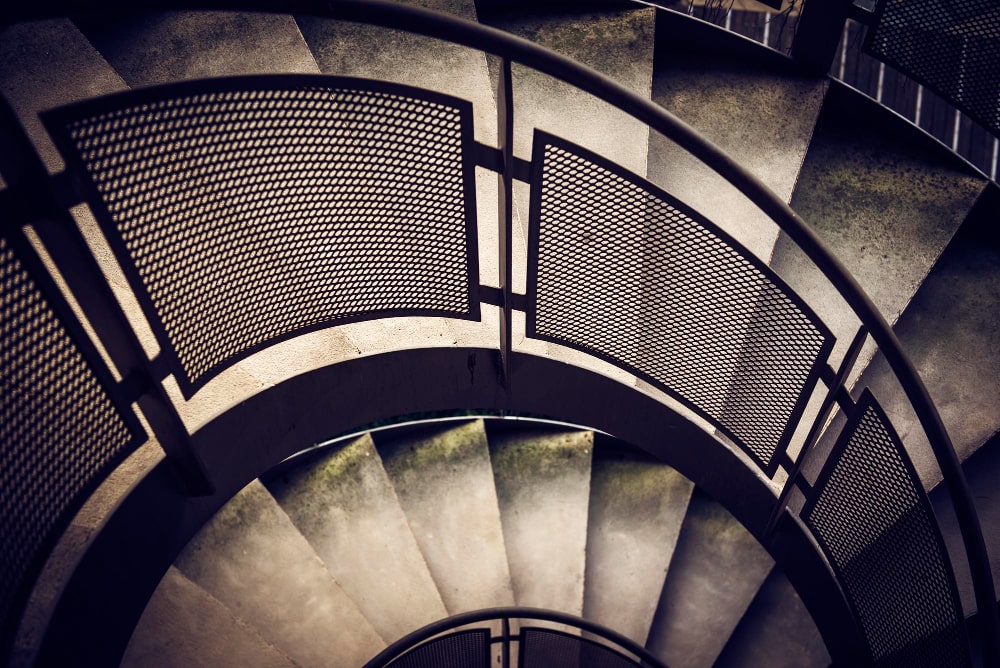
The helical staircase shares similarities with the spiral staircase but lacks the central column that supports the treads. Instead, it is supported by inner and outer helical stringers, creating a sweeping, elegant arc. This design allows for a wider and smoother walking path than the spiral staircase, making it an ideal choice for those seeking a balance between aesthetic impact and functionality.
Design and Function: The helical staircase’s elegant curvature offers a more grandiose, architectural statement compared to the spiral. Its sweeping design is not only visually striking but also provides ample space for comfortable movement, making it suitable for environments where both form and function are equally important.
Ideal for: Helical staircases are often found in upscale residential properties, hotel lobbies, or high-end commercial spaces. They are custom-built, offering a high level of design flexibility to suit the specific needs and style preferences of the space. This design makes a powerful aesthetic statement and is a popular choice for luxury interiors, where visual appeal is paramount.
Floating Staircase
A floating staircase is a modern and minimalist design that creates the illusion of treads suspended in mid-air, with no visible support structure. This visually striking design enhances the sense of openness and space in a room, making it a popular choice for contemporary interiors.
Design and Function: The treads of a floating staircase are typically anchored to a hidden support structure within a load-bearing wall or concealed steel stringers. This design allows for an open, airy feel, with natural light flowing freely between the treads and the space beneath. The minimalist aesthetic of floating staircases adds a modern touch to any home or office, making them a focal point of architectural design.
Ideal for: Floating staircases are ideal for contemporary homes, particularly those with open-concept living spaces, where sleek, sculptural elements are desired. They can be installed in spaces where a visually striking and modern design is a priority, often serving as a centrepiece in a minimalist interior. Their open design works well in bright, well-lit spaces, enhancing the sense of lightness and creating an illusion of space.

Materials Used in Metal Staircases: Steel, Aluminium, and More
When selecting the material for a metal staircase, several factors must be considered, including strength, durability, aesthetic appeal, and cost. Each type of metal offers unique benefits that make it suitable for different design needs, environments, and budgets. Below is an overview of the most commonly used materials for metal staircases, each with distinct characteristics that contribute to their popularity in various applications.
Steel
Steel is one of the most commonly used materials in metal staircase construction due to its exceptional strength and versatility. Known for its high strength-to-weight ratio, steel offers a robust and reliable option for both residential and commercial applications.
Strength and Reliability: Carbon steel, in particular, is highly durable and can bear heavy loads, making it an excellent choice for high-traffic areas, including commercial buildings, industrial sites, and multi-story residential structures. Its ability to withstand significant stress ensures long-term performance, even in the most demanding environments.
Versatility: Steel can be easily fabricated and shaped into a variety of designs, from simple, utilitarian staircases to complex and artistic forms. Its adaptability allows it to fit into a wide range of architectural styles, making it suitable for both modern and traditional spaces.
Aesthetics: Steel staircases can be finished in various ways, such as powder coating or galvanisation, to achieve different looks and textures. This makes steel adaptable to minimalist, industrial, or classic design styles, allowing it to complement any aesthetic.


Aluminium
Aluminium is a lightweight, corrosion-resistant metal that has become increasingly popular, particularly for outdoor staircases. Its combination of strength and weight makes it ideal for specific applications where ease of installation and resistance to the elements are crucial.
Lightweight: Compared to steel, aluminium is significantly lighter, which simplifies the manufacturing and installation processes. This reduces both labor costs and the need for heavy machinery during installation. The lighter weight also allows for more flexible designs without compromising on strength.
Corrosion Resistance: One of aluminium’s standout features is its natural corrosion resistance. When exposed to the elements, aluminium forms a protective oxide layer, preventing rust from forming. This makes aluminium an excellent choice for staircases in coastal areas, humid environments, or regions with frequent rainfall.
Sustainability: Aluminium is highly recyclable, making it an eco-friendly option. Its production process is becoming increasingly energy-efficient, which further enhances its environmental appeal. Aluminium staircases are often chosen for their sustainability as well as their durability.
Wrought Iron
Wrought iron, a type of iron with very low carbon content, is prized for its malleability, which allows it to be shaped into intricate designs. Its traditional aesthetic appeal makes it a favourite for classic or ornate staircases, particularly in period or historic buildings.
Ornamental Features: Wrought iron is renowned for its ability to be crafted into detailed, decorative elements, such as scrollwork, intricate balusters, and ornamental railings. This makes it ideal for staircases that aim to achieve a sophisticated, timeless look.
Durability and Strength: Wrought iron is highly durable and resistant to deformation, making it a solid choice for heavy-duty applications. Though not as tough as cast iron, which is more prone to cracking, wrought iron provides excellent structural integrity over time.
Maintenance: While wrought iron is strong, it is susceptible to rust, especially in outdoor environments. To protect against corrosion, wrought iron staircases must be coated with a protective finish, such as paint or galvanisation. Regular maintenance and repainting may be necessary, particularly in coastal or wet climates.


Stainless Steel
Stainless steel is a corrosion-resistant alloy containing chromium, known for its modern, sleek appearance and exceptional durability. It is particularly valued in contemporary architectural designs for its clean, polished finish and ability to resist rust and stains.
Sleek Aesthetics: Stainless steel has a lustrous, polished finish that adds a sophisticated, contemporary touch to any space. Whether brushed or shiny, its clean look enhances modern interiors and is often chosen for minimalist or industrial designs. Stainless steel staircases complement sleek and stylish environments, making them a popular choice for luxury homes, offices, and commercial spaces.
Rust Resistance: One of the key advantages of stainless steel is its ability to resist rust and corrosion. Thanks to its chromium content, stainless steel can withstand exposure to harsh conditions, including high humidity, saltwater, and extreme temperatures. This makes it a great option for both indoor and outdoor staircases.
Low Maintenance: Stainless steel staircases require minimal maintenance. They do not need regular repainting or rust treatments, and they are easy to clean, often only requiring occasional wiping to maintain their polished appearance. This makes them a convenient and long-lasting choice for both residential and commercial use.
Galvanised Steel
Galvanised steel is steel that has been coated with a layer of zinc through a process known as galvanisation. This coating acts as a protective barrier, preventing rust from forming and extending the life of the steel, particularly in outdoor or industrial environments.
Corrosion Protection: The zinc coating on galvanised steel creates a durable barrier against rust, making it a great choice for staircases exposed to the elements. This added protection makes galvanised steel ideal for outdoor settings or industrial applications where long-term durability is essential.
Affordability: Galvanised steel is a more budget-friendly option than stainless steel while still offering superior corrosion resistance compared to untreated carbon steel. Its affordability and resilience make it a popular choice for large-scale projects, such as industrial staircases, warehouses, and factories.
Applications: The rugged, matte-grey appearance of galvanised steel makes it a suitable choice for industrial and utilitarian settings. While it lacks the sleek, polished look of stainless steel, it is valued for its practicality and cost-effectiveness, particularly in environments where appearance is secondary to function.

Each metal used for staircases offers distinct benefits, from the strength and versatility of steel to the corrosion resistance of aluminium and the aesthetic appeal of wrought iron. By carefully selecting the right material for a specific environment and design, you can ensure that your metal staircase will provide both long-lasting durability and visual appeal. Whether you’re building a staircase for a residential home, an industrial facility, or a modern office, there is a metal material that can meet both your functional and aesthetic needs.
Design & Aesthetic Considerations for Metal Staircases
Metal staircases are not only functional but also serve as striking architectural features that elevate the overall aesthetic of a space. Design and aesthetics play a key role in shaping how a metal staircase complements modern, industrial, or classic interiors. The design of a metal staircase can be tailored to reflect various styles, from sleek modern lines to industrial ruggedness, or even classic elegance.
Modern Designs
Modern metal staircases embrace a minimalist and sleek aesthetic, with a strong focus on clean lines and simplicity. The design is often characterised by geometric shapes and a clutter-free appearance, making it ideal for contemporary homes and commercial spaces where a streamlined look is desired.
Key Features: Modern metal staircases tend to favour open risers, which allow for increased light flow and a sense of openness in the space. The steps themselves are often rectangular and thin, contributing to the overall sleek, unobtrusive look. The absence of ornate details enhances the minimalist vibe, keeping the focus on the purity of the form.
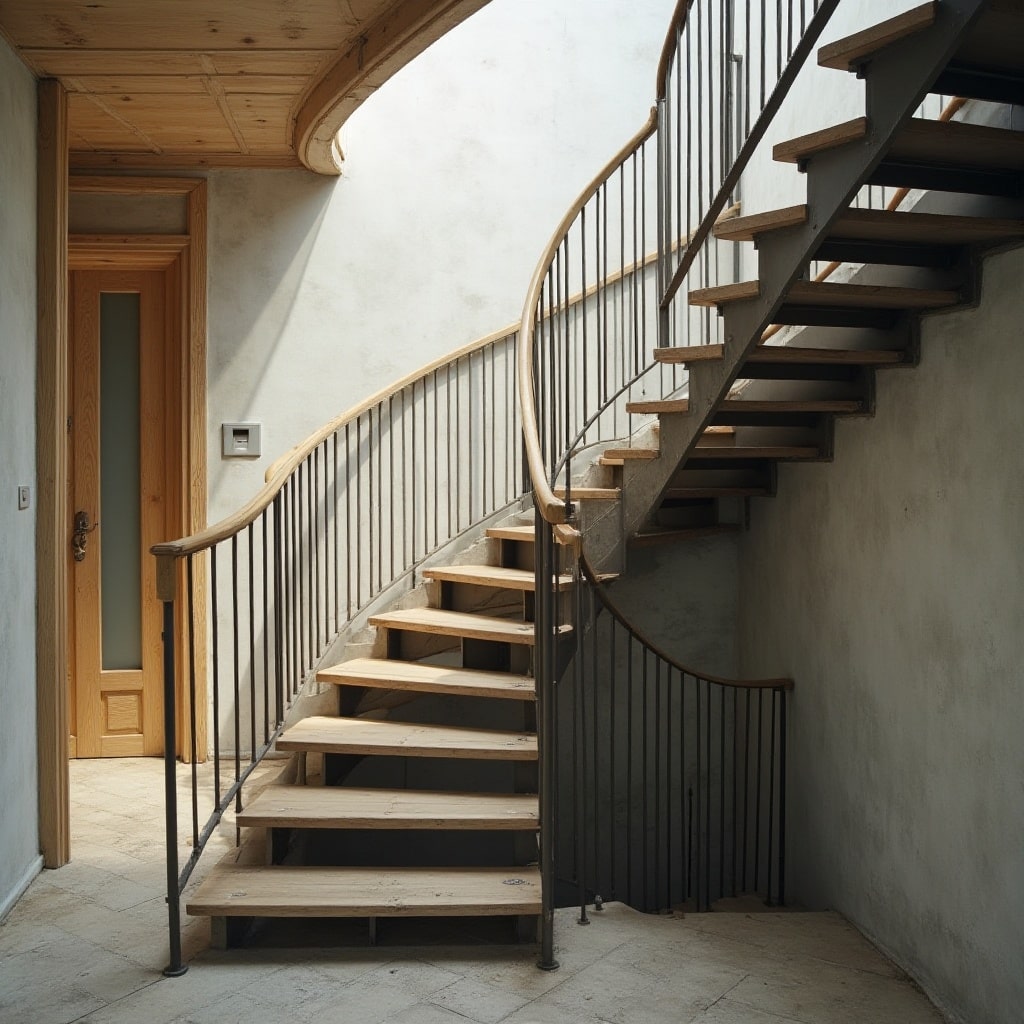
Accents: Modern staircases frequently incorporate materials such as glass and wood to soften the industrial look of metal. Glass railings create a transparent, airy feel, making the space feel larger and brighter, while wood treads add warmth and natural texture, balancing the coldness of the metal. This combination of metal with other materials provides a modern yet inviting atmosphere.
Finishes: The finishes on modern staircases often include polished stainless steel for a gleaming, reflective surface or powder-coated metal in neutral colours. The emphasis is on form over decoration, with finishes designed to complement the simplicity and elegance of the staircase’s overall design.


Industrial Designs
Inspired by the raw, unfinished aesthetics of urban lofts, factories, and warehouses, industrial metal staircases feature exposed metal, rivets, and raw finishes that celebrate the beauty of the materials themselves. This design embraces a more rugged, utilitarian style, making it a popular choice for both residential and commercial spaces that seek an edgy, urban look.
Key Features: Industrial metal staircases typically showcase the rawness of steel beams, rivets, and welds as part of the overall design. The use of unpolished or patinaed metal adds to the aged, industrial charm. The stair treads may be made of reclaimed wood or heavy-duty metal grating, contributing to the utilitarian feel of the space.
Accents: Industrial staircases are often paired with other industrial materials such as exposed concrete walls or steel beams, further emphasising their raw aesthetic. For added visual appeal, the use of lighting is key, with wall sconces, pendant lights, and even custom lighting for prominent landings can create dramatic effects while adding functionality.
Lighting: Custom lighting enhances the rugged charm of industrial staircases, spotlighting their bold, raw materials. The lighting design can range from simple, utilitarian fixtures to more elaborate pendants, but it is always chosen to complement the exposed and unfinished nature of the design.
Contemporary Styles
Contemporary metal staircases are all about artistic expression and innovation. These designs evolve with current trends and often allow for unique, custom elements that make each staircase a one-of-a-kind statement piece. They offer the flexibility to adapt to ever-changing design tastes, allowing for a broad range of materials, finishes, and structural elements.
Key Features: Unlike more traditional styles, contemporary staircases often feature dual-tone designs with contrasting finishes or sculptural elements such as curved or angular stringers. These staircases are highly flexible, allowing for the incorporation of artistic and experimental features that set them apart from more rigid, conventional designs.
Railings: One of the hallmarks of contemporary metal staircases is the inclusion of custom railings. These railings may feature intricate patterns, laser-cut designs, or sculptural shapes that serve as the focal point of the staircase. Artistic railings can add a significant amount of character and personality to the space, elevating the overall look of the staircase.
Material Versatility: Contemporary staircases often mix a variety of materials such as wood, metal, and glass to create bold contrasts. For instance, wood may be paired with metal treads, or metal railings may be combined with glass panels for a striking effect. These designs tend to blur the lines between traditional and modern, making them perfect for homes or businesses that value artistic expression.


Classic Designs
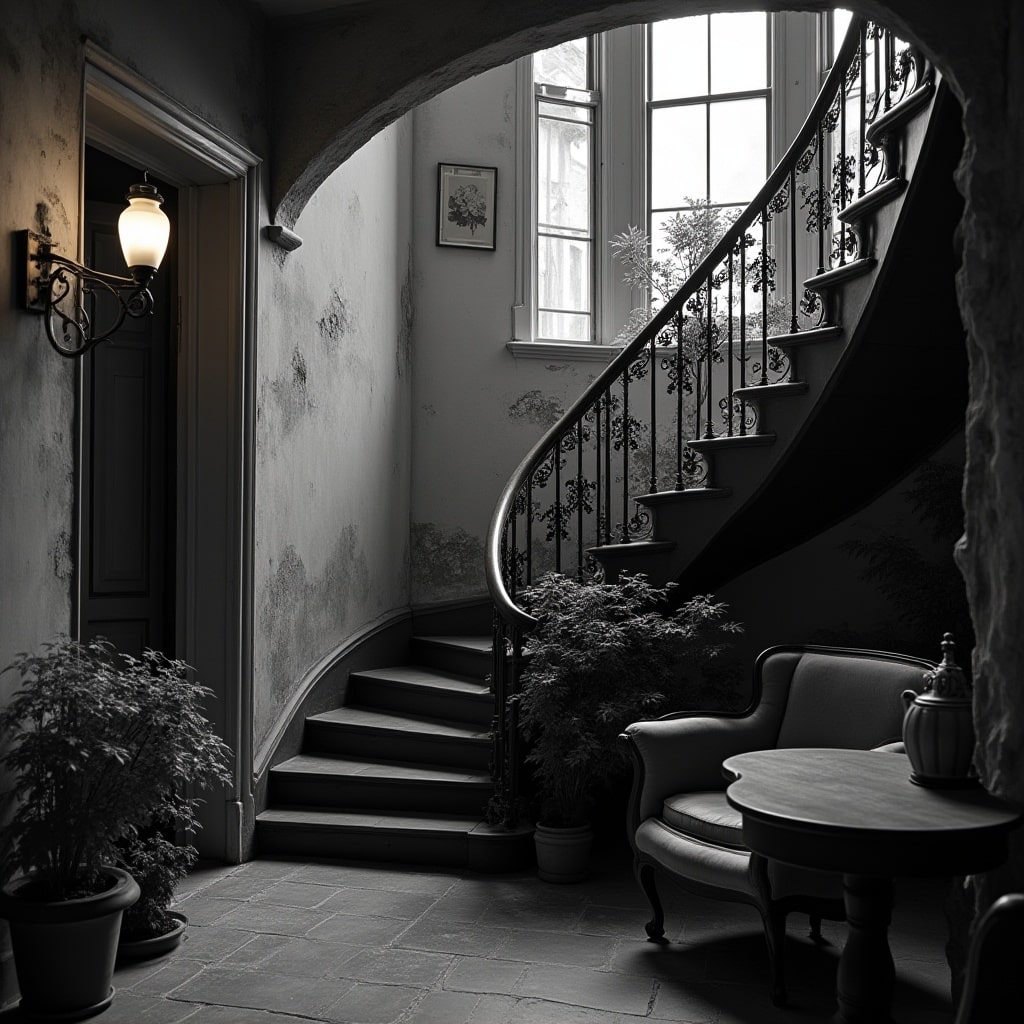
Drawing from traditional architectural styles, classic metal staircases are known for their ornamental features and intricate metalwork. These staircases are often made from wrought iron, which can be crafted into delicate, swirling scrollwork and other detailed designs that evoke a sense of timeless elegance.
Key Features: Classic metal staircases feature wrought iron that is shaped into elegant patterns, such as detailed balusters, floral motifs, and decorative scrolls. These staircases are often more ornate, showcasing craftsmanship and attention to detail. The treads are typically made of wood or metal, and the railing designs add an extra layer of sophistication.
Accents: Classic staircases often incorporate decorative elements such as brass or gold leaf accents, further enhancing their luxury appeal. The ornate nature of these staircases makes them ideal for more traditional settings, where their beauty and complexity can be fully appreciated.
Lighting: To complement the ornate features of classic metal staircases, lighting is often used to create a sense of grandeur. A chandelier or other elegant light fixtures can add warmth and sophistication, illuminating the staircase in a way that highlights its intricate metalwork.
Each of these metal staircase designs offers distinct aesthetic qualities, allowing homeowners and designers to choose a style that complements their vision for a space. Whether opting for a modern, minimalist look, the rugged charm of industrial design, or the refined elegance of classic ornamental work, metal staircases can serve as both functional and visually captivating elements of interior design.
Construction & Installation of Metal Staircases: Prefabricated, Custom, and Modular
When it comes to constructing and installing metal staircases, there are various methods and systems available, each catering to specific needs and project requirements. These methods range from prefabricated, off-the-shelf solutions to custom-designed staircases, offering flexibility in terms of design, cost, and timeframes. Here’s a breakdown of the common construction and installation methods used for metal staircases:
Prefabricated Stairs
Prefabricated or “prefab” stairs are pre-engineered systems that are manufactured off-site in a controlled factory environment. These staircases are then transported to the installation site, where they are lifted into place and secured.
Benefits: The primary advantage of prefabricated stairs is their speed. Since the majority of the fabrication is done off-site, the installation process is faster, significantly reducing on-site labour and disruptions. Prefabricated stairs are manufactured with precision, ensuring consistent quality and higher accuracy compared to on-site fabrication. This also leads to less material waste, making prefab systems more environmentally efficient.
Use Cases: Prefabricated stairs are ideal for commercial buildings, apartment complexes, or projects where the stair design is repetitive or follows a standard layout. These stairs are particularly useful in situations where time is critical and a quick turnaround is needed. The streamlined manufacturing and installation process make them an attractive option for high-volume, cost-sensitive projects.


Custom Metal Stairs
Custom metal stairs are designed and built specifically to meet the unique aesthetic and functional requirements of a space. This process is highly collaborative, involving architects, designers, fabricators, and installers to bring the vision to life.
Process: The creation of custom stairs begins with detailed measurements and drawings, often using 3D modelling for complex or intricate designs. Skilled fabricators then cut, shape, and weld the metal components, creating one-of-a-kind staircases that cannot be replicated by prefab systems. The custom approach allows for more design flexibility, offering intricate detailing, unique shapes, and bespoke material combinations.
Advantages: One of the key benefits of custom stairs is the design freedom they provide. Whether for a luxury home, upscale commercial space, or creative architectural project, custom stairs can serve as a bold statement piece. They offer unlimited potential for tailoring the staircase to fit the exact style and functional needs of the space, often using a blend of materials like metal, wood, glass, and even stone. While more time-consuming and costly, custom staircases provide unmatched uniqueness and aesthetic appeal.
Modular Systems
Modular stair systems consist of pre-manufactured components that are designed for easy assembly and adaptability. These stair systems allow for quick on-site assembly without the need for complex welding or extensive fabrication.
Description: Modular stair systems are built using adjustable components, such as adjustable stringers and bolt-together treads, making them versatile and easy to configure. The system can be adapted to fit various rise and run measurements, allowing for easy customisation without the need for custom fabrication. If a space needs to be reconfigured, modular systems can often be disassembled and reassembled to accommodate new layouts, offering long-term flexibility.
Benefits: The ease of assembly and adaptability are the main benefits of modular stair systems. These staircases are ideal for projects with tight timelines or those requiring future reconfiguration. Modular systems also provide a cost-effective solution for projects where flexibility and speed are important. Because they can be reused or reconfigured, modular staircases are a sustainable and economical choice for both residential and commercial projects.

Installation Techniques
The method chosen for joining the metal components of a staircase is crucial to the strength, stability, and overall appearance of the finished product. The three most common methods of joining metal components are welding, bolting, and riveting. Each method has its own advantages and limitations, depending on the requirements of the project.

Welding
Welding uses high heat to fuse metal components together, creating a permanent bond. The process is highly effective for creating strong, rigid joints that distribute stress evenly across the materials.
Pros: The main advantage of welding is the creation of a strong and seamless joint, which provides excellent durability. Welded joints are also visually clean, with no visible fasteners, making them ideal for high-end, aesthetic-focused staircases.
Cons: Welding is a permanent connection that cannot be disassembled, which can make future modifications or repairs more challenging. The process also requires skilled labour and specialised equipment, making it more time-consuming and costly than other methods.
Bolting
Bolting involves using threaded fasteners (bolts and nuts) to join the components together. This method is commonly used for prefabricated and modular stair systems, where ease of assembly and potential disassembly are priorities.
Pros: Bolted connections are easy to assemble and disassemble, which makes them ideal for maintenance or future modifications. This method also requires less specialised labour and equipment compared to welding, making it more cost-effective.
Cons: Bolted joints are often less visually clean than welded connections, as they involve visible hardware. The presence of bolts can also create stress concentration points in the metal, which could impact the staircase’s overall strength over time.


Riveting
Riveting uses metal pins (rivets) inserted through drilled holes, with the tail end of the rivet deformed to create a permanent, vibration-resistant joint. This method is commonly used in traditional and industrial applications.
Pros: Riveting creates a secure and vibration-resistant connection, which is particularly beneficial for staircases exposed to constant movement or heavy traffic. It is also ideal for joining thin metal sheets, providing a secure bond without weakening the material.
Cons: Like welding, riveting is a permanent connection, making future modifications difficult. The exposed rivets can also contribute to an industrial aesthetic, which may not be suitable for more refined or modern designs. Additionally, the drilling of holes can reduce the material’s strength in those areas.
Choosing the right construction and installation method for a metal staircase depends on several factors, including budget, design complexity, timeline, and the specific requirements of the space. Prefabricated, custom, and modular systems each have their place in staircase design, while the choice of installation technique will affect the strength, appearance, and longevity of the finished staircase.
Safety Regulations for Metal Staircases: Key Codes and Features
Ensuring the safety of metal staircases is paramount, and it is crucial to adhere to both local and international building codes. These regulations not only ensure the structural integrity of the staircase but also protect users from potential hazards. Safety features must be considered at every stage of the design, construction, and installation process, from the dimensions of the treads and risers to the quality of handrails and the tread surface.
Building Codes
Adhering to local and international building codes is not optional; it is a legal requirement. Codes such as the International Building Code (IBC) and Occupational Safety and Health Administration (OSHA) standards govern the construction of staircases, particularly in commercial and industrial settings. These codes set out minimum requirements for various aspects of staircase design, including:
- Stair Width: Ensuring the staircase provides enough space for safe passage. This is especially important in high-traffic commercial or public spaces to allow for the comfortable movement of people.
- Riser and Tread Dimensions: The riser (the vertical distance between treads) and tread (the horizontal surface of each step) must be consistent and uniform. Inconsistent measurements can lead to missteps and increase the risk of accidents.
- Structural Integrity: Building codes mandate that staircases must be able to support a specified load capacity, ensuring that the staircase can handle both regular use and potential overloads safely. For example, stairs must be designed to support the expected weight of users and any additional equipment or furniture that may be moved up or down.
Railing Height and Spacing
Handrails and guardrails are crucial elements in preventing falls and ensuring safe use of staircases. Regulations around handrail height and baluster spacing are strict to ensure they provide adequate protection for users.
- Handrail Height: Handrails must typically be installed between 34 and 38 inches from the tread’s nosing, measured vertically. This range provides a comfortable grip for most users, ensuring that the handrails are both functional and ergonomically sound. For commercial settings, especially on landings, guardrails may need to be higher, often 42 inches minimum, to ensure greater safety.
- Continuity: Handrails are generally required to be continuous along the entire length of a flight of stairs, providing uninterrupted support as users ascend or descend.
- Baluster Spacing: The spacing between vertical posts (balusters) must be narrow enough to prevent children from falling through or getting stuck. Regulations typically state that the spacing between balusters should not allow a 4-inch diameter sphere to pass through. This ensures that the gaps between posts are safe for all users, including children.
Non-Slip Treads
Ensuring the surface of the stair treads is non-slip is vital to prevent accidents, particularly in environments prone to moisture or heavy foot traffic. Metal staircases, especially in commercial or outdoor settings, should incorporate features to enhance traction and prevent slips.
- Textured Finishes: Metal treads often have a textured or embossed pattern, such as diamond plate, which increases grip and reduces the likelihood of slips.
- Non-Slip Coatings or Strips: For areas where water, grease, or other slippery substances are prevalent, non-slip coatings, abrasive strips, or fibreglass covers can be applied to the treads to further reduce the risk of slipping.
- Enhanced Visibility: To improve safety, especially in low-light environments, contrasting colours or luminous strips can be added to the treads. These features help users see the edges of each step more clearly, reducing the chances of missteps.
Weight Capacity
Metal staircases must be engineered to support both traffic loads and additional loads that may be encountered throughout their lifespan. It is crucial to design the staircase to withstand both uniform loads (such as people walking up and down) and concentrated loads (such as heavy equipment or furniture).
- Traffic Loads: In residential and commercial buildings, stairs must be capable of supporting a specified weight per square foot (PSF). This ensures the staircase can handle the expected daily use without compromising safety.
- Factor of Safety: Engineering standards require a safety factor, which ensures the staircase can support a load several times greater than the anticipated load. For instance, OSHA standards require that industrial stairs can support at least five times the normal expected load, providing extra strength and ensuring safety under unexpected or extreme conditions.
- Material Selection: The material chosen for the staircase, such as thick steel, will be determined by the required weight capacity. Metal staircases used in high-traffic or industrial environments typically require heavier-duty materials to support the increased loads. Reputable manufacturers and fabricators will provide load ratings to ensure that the staircase meets the necessary strength and safety standards.
Incorporating safety features and adhering to building regulations are essential steps in the design and installation of metal staircases. From complying with specific codes to ensuring that handrails are at the correct height and that treads are slip-resistant, these regulations help create safe and reliable staircases. Additionally, ensuring that the staircase can support expected loads guarantees that it will perform well throughout its lifespan. By following these guidelines, metal staircases can provide both aesthetic value and long-term safety for all users.
Applications of Metal Staircases: Residential, Commercial, Industrial, and Outdoor
Metal staircases are highly versatile and are used in a wide range of settings, each with unique design and durability requirements. From residential homes to commercial facilities, industrial settings, and outdoor spaces, metal staircases offer practical and aesthetic solutions to various architectural needs.
Residential
In residential settings, metal staircases are increasingly popular for their sleek, modern appeal and space-saving capabilities. They can serve as a central design feature in contemporary homes and apartments, with styles such as floating staircases, spiral designs, or minimalist straight staircases that incorporate materials like wood or glass. These designs elevate the overall aesthetic of the home, adding a touch of elegance and sophistication.
Space-saving solutions are a key advantage of metal staircases in residential spaces. In compact living environments such as lofts or small apartments, spiral and ladder staircases made from metal are ideal for maximising floor space without sacrificing functionality or style.
Metal staircases are also used for secondary access points, such as connecting balconies, terraces, or gardens to the main living area. Wrought iron staircases are particularly popular in traditional or rustic-style homes, offering both beauty and durability. Metal’s strength ensures long-lasting performance, making it a reliable choice for high-traffic areas in homes, providing a practical and visually appealing solution for daily use.
Commercial
In commercial spaces such as offices, retail stores, and public buildings, metal staircases are designed to handle high volumes of foot traffic while maintaining structural integrity. Steel, with its exceptional strength and durability, is often the material of choice for these environments due to its ability to withstand heavy use and wear.
Metal staircases can also serve as architectural statements in upscale commercial settings. For instance, helical staircases or custom-designed metal stairs are frequently used in hotel lobbies, showrooms, and high-end retail spaces to create a striking, modern feature that draws attention.
In addition to their aesthetic value, metal staircases are vital for emergency exits and fire escapes, where their fire-resistant properties make them the ideal choice for buildings requiring reliable, safe egress. Moreover, modular metal stair systems are used in public spaces to facilitate accessibility, helping people navigate over obstacles or uneven ground.
Industrial
In industrial environments such as factories, warehouses, and power plants, metal staircases are essential for ensuring safety and access to elevated areas. These staircases are often made from heavy-duty materials such as steel or galvanised steel, which provide the necessary durability and safety compliance to meet strict regulations.
Metal staircases in industrial settings are used to provide access to mezzanines, catwalks, and maintenance platforms, allowing workers to safely reach equipment, storage areas, or different levels within a facility. These systems are often modular or prefabricated, ensuring quick assembly and installation while meeting the required safety standards.
In harsh industrial environments where moisture, chemicals, or extreme temperatures are present, materials like galvanised steel or stainless steel are chosen for their corrosion resistance, ensuring the longevity of the stairs in challenging conditions, such as food processing plants or chemical storage facilities.
Outdoor
Outdoor metal staircases are designed to withstand exposure to the elements while providing a functional and stylish solution for accessing various exterior areas. These staircases are often made from galvanised steel or aluminium, materials that are highly resistant to corrosion and rust, making them ideal for outdoor use.
Garden and terrace access is a common use for outdoor metal staircases. They offer a sleek and durable way to connect the interior of a home to its exterior spaces, such as gardens or patios. Aluminium, being lightweight and corrosion-resistant, is often the preferred material for such applications due to its ability to endure varying weather conditions without significant maintenance.
Metal staircases are also frequently used for roof access, external apartment entrances, or as a secondary entry point to properties. These staircases are built to provide reliable access to different levels of a building while withstanding the rigours of outdoor environments.
In all of these applications, metal staircases are valued for their durability, aesthetic appeal, and versatility. Whether installed in residential homes, commercial buildings, industrial facilities, or outdoor spaces, metal staircases provide safe, efficient, and stylish solutions tailored to specific needs.
Maintenance & Durability of Metal Staircases: Cleaning, Coatings, and Corrosion Resistance
While metal staircases are known for their exceptional strength and longevity, regular maintenance is crucial to ensure they continue to perform well and maintain their aesthetic appeal over time. The right materials and coatings, along with proper care, are key to preventing corrosion and wear, particularly in harsh or outdoor environments.
Corrosion Resistance
Metal is inherently susceptible to corrosion, especially when exposed to moisture, humidity, or extreme weather conditions. Choosing the right materials and applying appropriate protective coatings can significantly extend the lifespan of metal staircases.
- Galvanisation: This process involves coating steel with a layer of zinc, creating a protective barrier against corrosion. The zinc acts as a sacrificial anode, corroding before the underlying steel. This is an affordable and effective solution for outdoor or industrial staircases, where a rugged finish is acceptable.
- Stainless Steel: Stainless steel, an alloy containing chromium, forms a protective oxide film when exposed to oxygen. The more chromium in the alloy (e.g., grade 316), the better its corrosion resistance. This makes stainless steel an excellent choice for areas with high humidity or exposure to saltwater, such as coastal environments.
- Duplex Coating: For maximum protection, galvanised steel can be further coated with a layer of powder coating. This “duplex” system provides enhanced rust resistance while offering a more polished, aesthetic finish.
- Aluminium: Aluminium naturally resists corrosion due to its own protective oxide layer. It is lightweight and ideal for outdoor applications, requiring less maintenance than other metals exposed to the elements.
Cleaning & Care
To preserve the appearance and functionality of metal staircases, regular cleaning is essential. This prevents the buildup of dirt and debris, which can trap moisture and accelerate corrosion.
- General Cleaning: Begin by removing loose debris with a soft brush or duster. For most metal staircases, clean them with a mild detergent and warm water using a soft cloth or sponge. Avoid abrasive cleaners or harsh tools, such as steel wool, which can scratch the surface and damage protective coatings.
- Stainless Steel: To maintain the shine of stainless steel, wipe the surface with a microfiber cloth following the direction of the grain to avoid streaks. For tougher stains, specialised stainless steel cleaners can be used.
- Outdoor Staircases: Outdoor metal stairs often accumulate dirt and grime. A power washer on a gentle setting can effectively clean them, but care should be taken with powder-coated surfaces, as high pressure can chip the coating.
- Spot Treatment: If you notice scratches, chips, or rust spots, address them promptly. Sand the affected area gently, apply a rust-resistant primer, and touch up with matching paint or coating to prevent further damage.
Protective Coatings
Coatings serve as a crucial barrier between the metal and the environment, offering enhanced durability and corrosion protection.
- Powder Coating: Powder coating involves applying a dry powder to the surface of the metal and curing it with heat. It creates a durable, attractive finish that is highly resistant to chipping, scratches, and UV damage. Powder coating is available in a wide range of colours and finishes, offering both aesthetic appeal and robust protection.
- Galvanisation: The process of galvanisation involves applying a zinc coating to steel, providing long-lasting protection against corrosion. While more functional than decorative, galvanisation results in a matte grey finish, making it ideal for industrial or exterior staircases.
- Paint: Standard metal paints can be used to provide both protection and decoration. However, it’s important to choose a rust-inhibiting formula, particularly for outdoor stairs. Regular inspection and reapplication are necessary, as paint layers may deteriorate over time.
- Duplex Systems: A combination of hot-dip galvanisation and powder coating, duplex systems provide the ultimate protection by offering both the sacrificial corrosion protection of zinc and the decorative durability of powder coating. This system is ideal for areas exposed to severe weather or industrial environments, where both aesthetics and durability are essential.
By selecting the right materials and applying protective coatings, you can significantly enhance the durability and longevity of your metal staircase. Regular cleaning and prompt maintenance will ensure your staircase remains functional, safe, and visually appealing for years to come.
Cost & Budgeting for Metal Staircases: Material and Labour Costs
When considering the cost of installing a metal staircase, it is essential to account for several factors, including material choice, labour complexity, and the staircase’s long-term value. Understanding these costs will help in making an informed decision that aligns with both budget and functional needs.
Material Costs
The material selected for your staircase is one of the most significant factors influencing the final price. Different metals come with varying costs, depending on factors like strength, corrosion resistance, and aesthetic appeal.
- Carbon Steel: Carbon steel is often the most affordable option for metal staircases. It offers excellent strength for its cost, making it a popular choice for both residential and commercial staircases. However, its price can fluctuate based on global market conditions, especially as steel prices are subject to external economic factors.
- Aluminium: While the raw material cost of aluminium is typically higher than that of steel, its lightweight nature can help offset other costs. For instance, aluminium staircases require less heavy lifting equipment during installation, which can reduce associated costs. Aluminium is also more resistant to corrosion, making it ideal for outdoor applications, though it tends to be a bit more expensive due to these benefits.
- Stainless Steel: Stainless steel is generally the most expensive material for metal staircases. Its superior corrosion resistance and sleek, modern appearance make it a popular choice for high-end residential and commercial spaces. While it offers long-lasting durability, the high cost of stainless steel can make it a less viable option for large industrial projects, where budget constraints may limit its use.
- Wrought Iron: Wrought iron is often used for custom, ornamental designs, adding elegance to staircases. Due to the labour-intensive process required to fabricate wrought iron, it tends to be more expensive than steel or aluminium. The cost is higher because of the specialised craftsmanship required for detailed ornamental work, making it ideal for high-end residential projects or those requiring intricate design features.
Labour Costs
The complexity of the staircase design and installation significantly impacts labour costs. A more intricate design requires specialised skills and more time, which results in higher expenses.
- Design Complexity: Straight staircases are the simplest and most cost-effective to install, requiring less time and fewer specialised skills. On the other hand, more complex designs, such as helical or floating staircases, demand advanced engineering and specialised skills, leading to higher labour costs. These designs require precise measurements and more time for both fabrication and installation.
- Custom vs. Prefabricated: Custom staircases, tailored specifically to a unique space, involve extensive site measurements and specialised craftsmanship, both of which increase labour costs. In contrast, prefabricated or modular stair systems use pre-manufactured components that can be quickly assembled on-site, reducing installation time and the need for specialised labour. This results in lower overall labour costs.
- Site Access: If the installation site is difficult to access, such as a high-rise building or a location with limited space, it can increase labour costs. Logistical challenges may require the use of specialised equipment, such as cranes or hoists, to safely transport and install the staircase. These additional considerations can add to the total cost of installation.
Long-Term Investment
While the initial cost of a metal staircase may be higher than alternatives like wood, its long-term cost-effectiveness makes it a smart investment.
- Exceptional Durability: Metal staircases, especially those made from steel or stainless steel, are highly resistant to issues like rot, warping, and cracking, which can affect wood over time. This durability ensures that a metal staircase will maintain its structural integrity and aesthetic appeal for decades, even in high-traffic commercial or industrial environments.
- Minimal Maintenance: Unlike wood staircases, which require frequent sealing, staining, or repainting, metal staircases demand minimal upkeep. Protective finishes such as galvanisation or powder coating can provide long-lasting protection against corrosion, reducing the need for constant maintenance. For outdoor applications, these finishes ensure that metal staircases can withstand the elements without extensive care.
- Fewer Repair Costs: Due to their inherent strength and low maintenance needs, metal staircases incur fewer repair costs over their lifespan. This makes them more cost-effective than wood or other materials that may require regular maintenance, repairs, or replacements. By investing in a metal staircase, you can reduce the long-term cost of ownership.
- Increased Property Value: A modern, high-quality metal staircase can significantly enhance a property’s appeal and resale value. In addition to their functionality, metal staircases often serve as a striking architectural feature that can add to the overall aesthetic of a building. This aesthetic value can make the property more attractive to potential buyers, yielding a higher return on investment.
In conclusion, while the initial costs of a metal staircase may vary depending on the material and design, the long-term benefits, including durability, low maintenance, and potential for increasing property value, make it a wise investment. By considering the costs of materials, labour, and the durability of the staircase, you can make a well-informed decision that fits both your budget and long-term goals.
Innovations & Trends in Metal Staircases: Smart Features and Eco-Friendly Materials
The future of metal staircases is being shaped by advancements in technology, sustainability, and design. As we move into a more connected, environmentally conscious world, these innovations are transforming traditional staircases into functional, eco-friendly, and highly customised architectural features.
Smart Stairs
One of the most exciting trends in staircase design is the integration of smart technology. Modern staircases are evolving into interactive features that enhance convenience, safety, and energy efficiency in homes and commercial spaces.
- Integrated Sensors: Motion sensors can now be embedded into stairs or their surrounding walls to detect the presence of users. These sensors can trigger automated actions, such as turning on lights, ensuring safe navigation, especially in dark or poorly lit areas. This offers a seamless and convenient user experience.
- LED Lighting: LED lighting is a popular feature that not only enhances the visual appeal of a staircase but also improves visibility. Integrated LED strips can be discreetly installed into treads, handrails, or balustrades to provide a soft ambient glow. Smart lighting systems allow for customisable colours and brightness, which can be controlled via mobile apps or voice commands. This provides a modern touch and increases energy efficiency by only lighting up when needed.
- Smart Home Integration: Modern metal staircases can be integrated into a smart home network, allowing for sophisticated control over the lighting and even the usage of the staircase. Homeowners can schedule lighting sequences, adjust the brightness to suit the time of day, or even monitor the staircase for maintenance needs. This integration adds a layer of convenience and functionality that blends seamlessly into the home environment.
Eco-Friendly Materials
With a growing emphasis on sustainability, the demand for eco-friendly materials in staircase design is rising. Consumers and designers are increasingly focused on reducing the environmental impact of construction, and metal staircases are no exception.
- Recycled Metal: A significant trend is the use of recycled metal, such as repurposed steel or aluminium, in stair components. This reduces the need for new resource extraction, conserving raw materials and decreasing the carbon footprint associated with production. Using recycled metal in the manufacturing process helps to lower overall environmental impact, contributing to a more sustainable building practice.
- Sustainable Combinations: Metal staircases are being paired with other sustainable materials, such as reclaimed wood or recycled glass, to create unique designs that emphasise eco-friendly practices. These combinations provide an elegant and sustainable solution while reducing waste and promoting the use of resources that would otherwise go unused.
- Minimalist Design: Another growing trend is the move toward minimalist designs, which use fewer materials to create clean, sleek staircases. Examples of this include open-riser or modular floating stairs, which require less material and reduce the overall environmental footprint while offering a contemporary aesthetic. This approach focuses on efficiency and simplicity, aligning with the principles of sustainable design.
3D Printed Stairs
3D printing, also known as additive manufacturing, is revolutionising the way staircases are designed and fabricated, offering an exciting frontier for customisation and precision.
- Design Freedom: 3D printing offers architects and designers unparalleled flexibility to create intricate, non-standard shapes and geometries. With this technology, it’s possible to experiment with complex patterns and organic forms that would be difficult or impossible to achieve using traditional construction methods. This opens the door for highly customised and unique staircases that suit any design vision.
- Reduced Material Waste: One of the major advantages of 3D printing is its ability to minimise material waste. Traditional methods of staircase fabrication often involve cutting or welding, which can result in a significant amount of leftover material. In contrast, 3D printing creates objects layer by layer, using only the necessary amount of material, thus making the process more resource-efficient.
- Accelerated Prototyping: 3D printing accelerates the design-to-fabrication process by allowing quick creation of precise forms and moulds. For example, 3D-printed formworks for concrete stairs can be used to create intricate designs more rapidly. This technology also allows for fast prototyping, enabling designers to test and refine their ideas before committing to full-scale production.
- Tailored Designs: With 3D printing, bespoke stair components can be easily created. This technology makes it possible to produce one-of-a-kind staircases that reflect the personality of a space, giving homeowners and designers the ability to create highly personalised, artistic stair designs.
These innovations in staircase design, from smart technologies to the use of eco-friendly materials and 3D printing, are pushing the boundaries of what’s possible. They make metal staircases not just functional but also technologically advanced, environmentally sustainable, and highly personalised. As these trends continue to evolve, we can expect the future of staircases to blend modern functionality with artistic flair, creating lasting impressions and enhancing the spaces they inhabit.
Case Studies and Examples of Metal Staircase Installations
Case Study 1:
Client: Jess Mes
Industry: MS Metal Fabrications Ltd
Location: United Kingdom
Rating: 5 out of 5
Project Type: Metal Staircase Solutions (Residential & Commercial)
Challenge:
Jess Mes needed a reliable provider for a custom metal staircase solution, with a strong focus on fast, efficient service, expert knowledge, and high-quality design. The project involved sourcing and installing a durable, aesthetically appealing staircase for a residential or commercial setting.
Solution:
The metal staircase company offered a seamless service from consultation to installation. They provided expert guidance on choosing the best metal materials, design, and structure for Jess’ specific needs. The team’s in-depth knowledge ensured a fast and smooth installation process. Throughout the project, clear communication kept Jess informed at every stage.
Key Results:
- Fast Turnaround: Jess was impressed with the quick and efficient service, which allowed the staircase to be installed within the agreed timeline.
- Reliability: The project was completed on time and to a high standard, reinforcing the company’s reputation for dependability.
- Expert Knowledge: The team’s deep understanding of metal staircase design and installation ensured the project met both aesthetic and functional requirements.
- Customer Satisfaction: Jess was so pleased with the finished product that she recommended the company for all types of metal staircase projects, regardless of scale.
Client Feedback:
“Amazing service and communication. Fast and reliable. Definitely recommend for any size steelwork as they are so knowledgeable! Thank you so much!”
Summary:
Jess Mes’ experience highlights the metal staircase company’s strengths in delivering fast, reliable, and expert services. The quick turnaround, strong communication, and knowledgeable team ensured a smooth installation process, meeting both aesthetic and functional needs. Jess’ recommendation underscores the company’s ability to handle projects of all sizes with professionalism and quality, making them a trusted choice for any metal staircase solution.
Case Study 2:
Client: Shauna Gale
Location: United Kingdom
Industry: Metal Staircase Design & Installation
Rating: 5 out of 5
Project Type: Metal Staircase Installation (Residential)
Challenge:
Shauna Gale needed a metal staircase that would not only meet her design expectations but also be installed with respect for her home’s environment. Her goal was to work with a reliable company that could provide a seamless service from consultation to fitting.
Solution:
From the initial consultation to the final installation, MS Metal offered a comprehensive and professional service. The team worked closely with Shauna to understand her design preferences, ensuring the finished staircase was both functional and visually appealing. During the installation, the fitters demonstrated high respect for the surroundings, maintaining a clean and tidy work environment throughout.
Key Results:
- Exceptional Service: Shauna praised the company for their communication, expertise, and overall professionalism from start to finish.
- High-Quality Installation: The finished staircase exceeded expectations, blending seamlessly with the existing space and elevating the room’s aesthetic.
- Respectful Installation Team: The fitters were careful and considerate, maintaining a clean workspace and showing respect for Shauna’s home.
- Customer Satisfaction: Shauna was highly satisfied with the entire experience and confidently recommended MS Metal for anyone looking for top-quality metal staircases.
Client Feedback:
“From the beginning to end, Shuman offered a wonderful service. The finished staircase looks wonderful, and his fitters were very respectful of their surroundings during fitting. I would highly recommend MS Metal.”
Summary:
Shauna Gale’s experience with MS Metal underscores the company’s commitment to delivering high-quality metal staircases with a focus on excellent customer service. From the initial consultation to the respectful installation, MS Metal provided a seamless and professional service. The final result was a beautiful staircase that met Shauna’s expectations, and her strong recommendation reflects the company’s dedication to quality and customer satisfaction.
Design Inspiration Gallery: Explore Different Metal Staircase Styles





Frequently Asked Questions (FAQs) about Metal Staircases
Metal staircases are renowned for their durability. With proper installation and regular maintenance, they can last for several decades. Many high-quality metal staircases are expected to last 30 years or more, depending on the materials used and the environment they are in.
Absolutely! Metal staircases can be fully customised to meet your design preferences and functional requirements. Whether you prefer a modern floating design, a traditional spiral staircase, or something more intricate, you can adjust materials, finishes, size, and style to suit your needs.
For outdoor metal staircases, aluminium and galvanised steel are highly recommended due to their resistance to corrosion. Aluminium is lightweight and particularly suitable for humid or coastal areas, while galvanised steel offers durability and strength, making it ideal for industrial or outdoor applications.
Yes, metal staircases are safe when designed and constructed in compliance with local building regulations. Essential safety features include non-slip treads, appropriately spaced railings, and adequate weight capacity. It is crucial to ensure that your staircase meets the necessary safety standards to avoid accidents.
Metal staircases are relatively low maintenance. Regular cleaning is advised to keep them looking their best and prevent rust or staining. Depending on the material, occasional treatment with protective coatings like powder coating or galvanisation can also extend the life of your staircase, particularly in outdoor environments.
Floating metal staircases are popular for their sleek, modern aesthetic, where the treads appear to “float” without visible support structures. This design creates an open and minimalist feel, making it a great choice for contemporary interiors and spaces where style is a priority.
The cost of a metal staircase can vary depending on factors such as material (steel, stainless steel, aluminium), the complexity of the design (custom-made vs. prefabricated), and the size of the installation. While custom designs tend to be more expensive, they offer a tailored, long-lasting solution.
Yes, metal staircases are highly versatile and can be installed in both indoor and outdoor settings. Indoor staircases often feature materials like stainless steel or wrought iron, while outdoor staircases benefit from corrosion-resistant materials such as galvanised steel or aluminium.
The main types of metal staircases include:
- Straight staircases: Simple and efficient, perfect for straight-forward installations.
- Spiral staircases: Ideal for smaller spaces or decorative uses.
- Helical staircases: Provide an elegant, curved design that is often used in upscale residential or commercial spaces.
- Floating staircases: A modern design that creates a minimalist, open aesthetic.
- Ladder staircases: Steep and space-saving, often used in lofts or industrial settings.
Yes, eco-friendly options are available. Many manufacturers use recycled metal in their staircases, and some offer more sustainable production processes. Additionally, materials like recycled steel and eco-friendly coatings can be used to reduce the environmental impact of metal staircases.
Call to Action: Get a Quote or Schedule an Installation
Transform your space with a custom metal staircase designed to fit your style and needs. Whether you’re after a contemporary floating staircase or a classic spiral design, we have the perfect solution for you.
Request a Free Quote
Take the first step by reaching out for a personalised quote. Our team will work with you to understand your vision and provide a competitive estimate tailored to your project.
Book Your Installation
Once you’re ready, our experienced fitters will ensure a hassle-free installation, providing a sleek and durable staircase that complements your home or business. We respect your space and complete each project with the highest standards of professionalism.
Don’t wait – contact us today to get started on your dream staircase!
