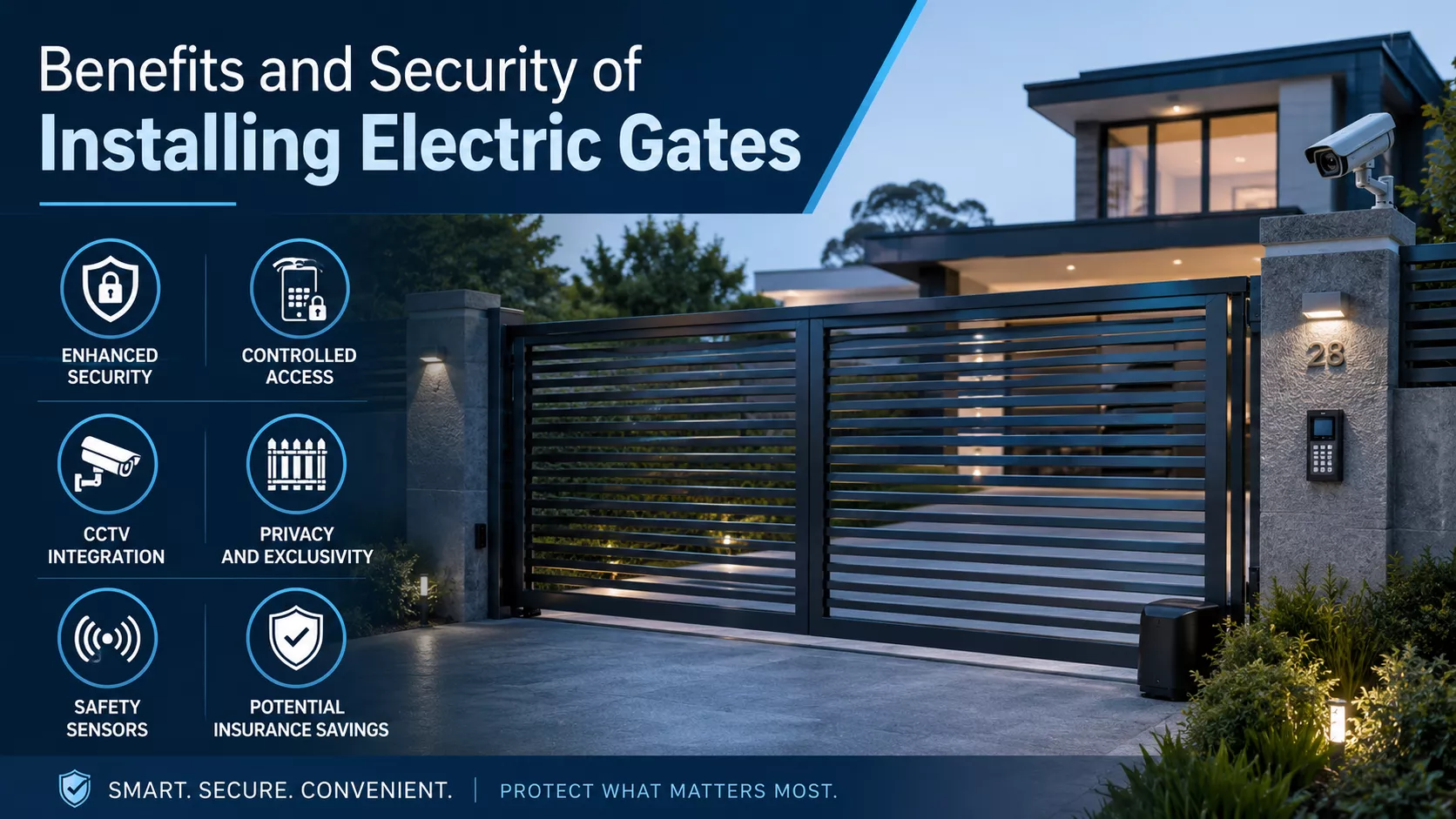
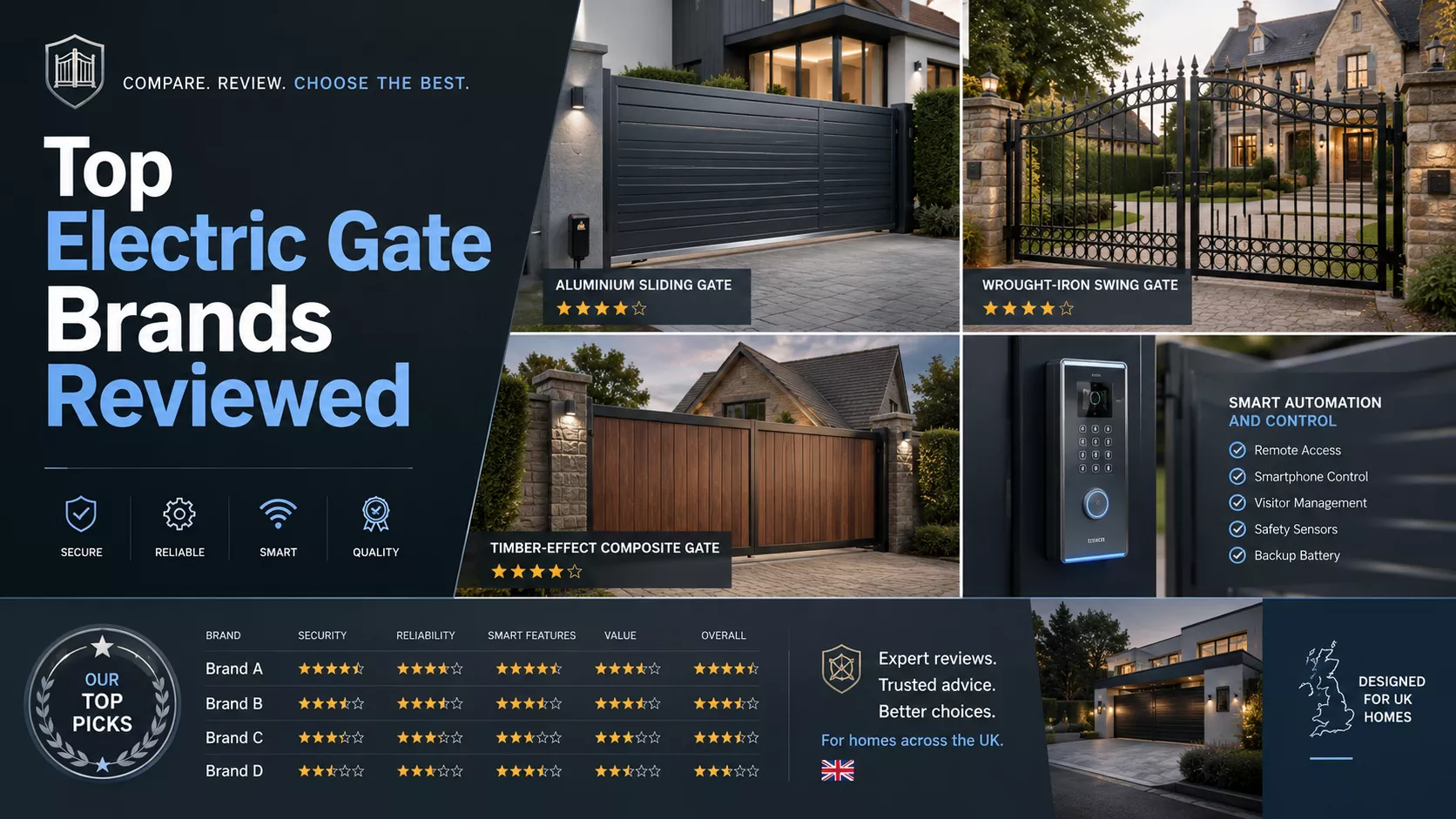
Alleyway gates enhance home security by restricting access to side and rear entry points, common targets for intruders. These gates act as visible deterrents, reducing burglary risks, anti-social behaviour, and illegal dumping.
Rear alleyways in urban areas often lack natural surveillance. Without barriers, they offer secluded routes for criminals to move undetected. Alley gates close these paths, blocking unauthorised movement and increasing territorial control for residents.
Security benefits include:
- Reduced home break-ins via rear access
- Lower incidence of vandalism and trespassing
- Fewer opportunities for fly-tipping
- Deterred loitering and public disturbance
Beyond security, alleyway gating improves the environment. Cleaner, gated alleys foster community ownership, reduce fear of crime, and may even support higher property values.
Table of Contents
What Security Features Make Alleyway Gates Effective for Protecting Properties?
Alleyway gates incorporate multiple security features designed to deter intrusion and prevent anti-social activity. Each feature addresses a specific vulnerability, ensuring gates function as both a physical barrier and a behavioural deterrent.
Physical Security Features
- Height: A minimum of 1.83 metres (6 feet) discourages climbing attempts.
- Material Strength: Box-section steel frames with solid vertical bars or punched grills offer durability and visibility.
- Anti-Climb Design: Features like spear-top finials and narrow bar spacing reduce grip points and climbing surfaces.
- Secure Hinges: Tamper-proof hinges prevent gates from being lifted or dislodged.
- Base Clearance: Small gaps beneath the gate block crawling and unauthorised ground access.
- Weather Protection: Galvanisation and powder coating shield against rust and corrosion, extending service life.
Access Control and Surveillance
- Locking Systems: Includes keyed locks, mechanical codes, and reinforced latches compatible with the gate material.
- Access Management: Entry can be controlled via intercoms, keypads, or card readers.
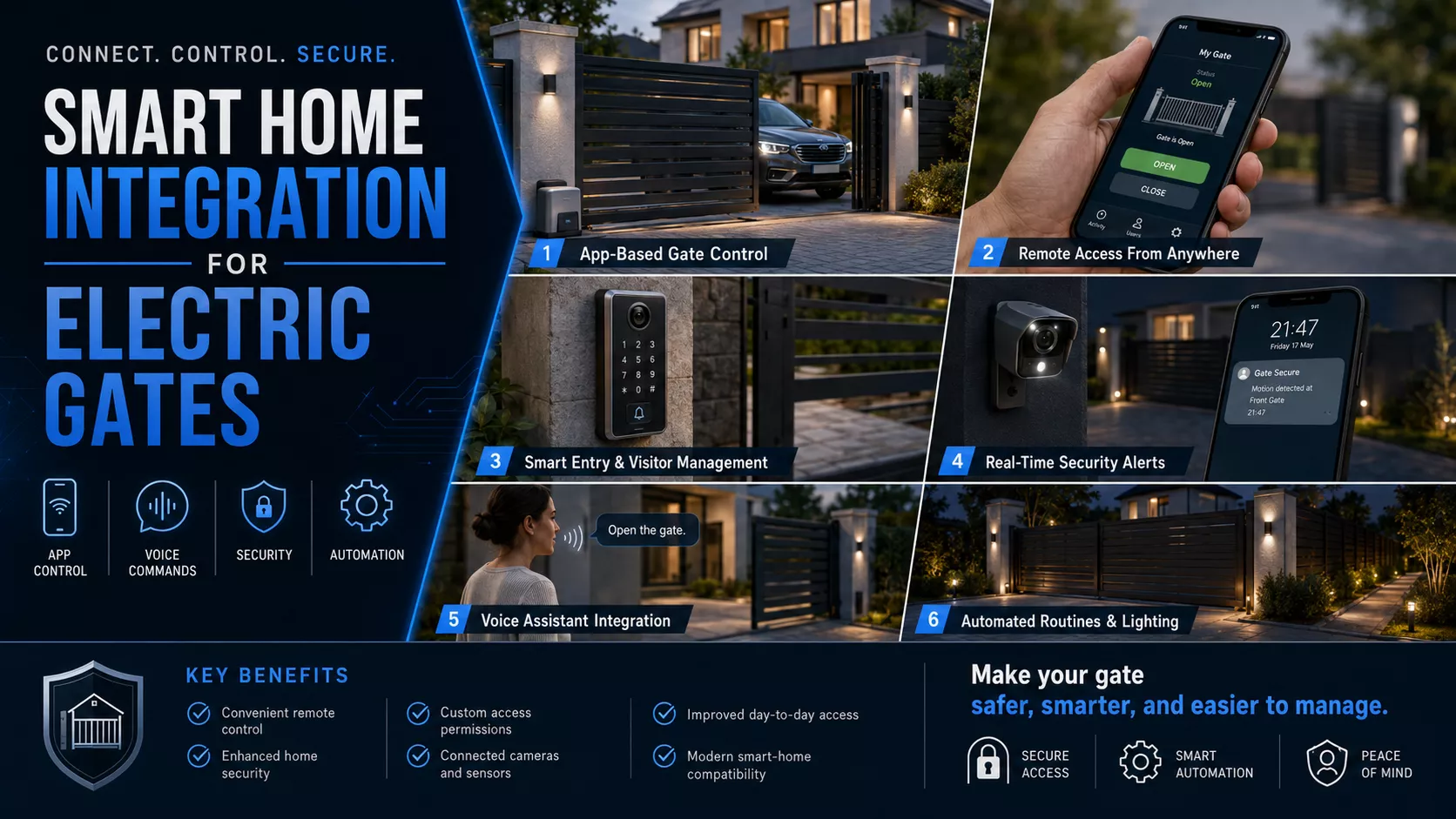
- Automation: Automated gates use remotes or key fobs, offering convenience without sacrificing security.
- Surveillance Integration: CCTV systems deter illegal activity and support evidence collection.
- Gate Types: Swing, sliding, and vertical lift designs support different security and space requirements.
Each feature contributes to a layered security model tailored to urban residential alleyways.
Locking Mechanisms for Increased Security
Effective locking mechanisms are essential for maintaining the integrity of alleyway gates. The right lock system not only deters unauthorised access but also supports reliable operation and long-term durability. Each type suits specific gate materials, user access patterns, and security demands.
- Deadbolts offer strong resistance, requiring a key on both sides, ideal for high-risk zones.
- Padlocks and padbolts are cost-effective but more vulnerable to tampering.
- Keypad locks provide convenient access sharing without the need for physical keys.
- Automated locks, such as those operated via fobs or apps, support high-frequency use.
- Mortise locks fit securely within metal or hardwood gate frames for robust protection.
- Long-throw locks suit timber gates and ensure security from both sides.
- J-locks and mechanical coded locks add layers of mechanical defence without electronics.
- Magnetic latches allow for smooth closing and restrict casual opening.
- Additional features like gate shrouds, hinge protection, and lock enclosures further reduce tampering risks.
Selecting a lock should consider gate material, user frequency, security level, and accessibility needs.
Motion Sensors and Surveillance Integration
Integrating motion sensors with surveillance systems significantly improves alleyway gate security by enabling real-time detection, recording, and alerting. This combined setup enhances monitoring, deters intruders, and supports incident verification.
- Motion sensors detect movement using infrared or radar technology. These should be placed near entry points and within alley sightlines to minimise blind spots.
- Sensor types include long-range, weatherproof, and wireless models, adaptable to urban alley environments.
- Detection triggers can activate alarms, lights, or cameras, creating immediate responses to movement.
- Surveillance cameras, such as CCTV or IP systems, provide continuous or motion-triggered video recording.
- Video footage can be stored on DVR/NVR devices or uploaded to cloud servers, depending on system design.
- Wired or wireless configurations depend on infrastructure, with wireless offering flexible retrofitting.
- Control panels or mobile apps allow users to monitor live feeds, manage zones, and receive alerts remotely.
- System calibration is crucial to avoid false alarms from animals, wind, or weather changes.
Together, these tools provide layered, automated surveillance for safer, more controlled alley environments.
Automatic Gates for Convenience and Safety
Automatic gates significantly improve both accessibility and protection in alleyway settings. They combine motorised operation with modern access control to simplify entry while maintaining a secure perimeter.
Below is a detailed table outlining the key features, benefits, and gate types used for automatic alleyway gates:
| Feature/Category | Description | Benefit |
|---|---|---|
| Remote Access | Operated via key fobs, smartphone apps, or keypads | Enables hands-free entry, especially useful in poor weather or when hands are full |
| Automated Opening/Closing | Motorised mechanism eliminates manual effort | Saves time and reduces physical strain for residents |
| Home Automation Integration | Can link with smart systems to schedule operations or trigger other devices | Offers centralised control and convenience |
| Safety Control | Soft-close features and obstacle detection minimise injury risk | Enhances user safety during daily operation |
| Security Deterrent | Visible automation and restricted access discourage intruders | Strengthens property protection and increases perceived safety |
| Access Management | Allows entry only for authorised users or vehicles | Prevents unauthorised access to the alleyway |
| System Integration | Compatible with CCTV, motion sensors, and alarm systems | Creates a layered and responsive security setup |
| Sliding Gates | Slide along a track; ideal for narrow or confined alleyways | Save space while providing secure automated access |
| Swing Gates | Open inward or outward on hinges; available as a single or double leaf | Suitable for wider alleys with sufficient clearance |
| Cantilever Gates | Operate without ground tracks, using a counterbalanced support structure | Best for uneven surfaces or areas prone to debris accumulation |
Automatic alleyway gates combine security and convenience, making them a valuable upgrade for urban and residential settings.
How Do Alleyway Gates Improve Privacy for Homeowners?
Alleyway gates offer a practical solution for improving privacy in both residential and commercial settings. By restricting access to rear alleys, they create a physical boundary that reduces intrusion and shields private areas from public view.
Privacy enhancement begins with access control. These gates prevent unauthorised individuals from entering back gardens, storage zones, or rear entrances, areas often targeted for theft or trespassing. This control helps residents feel secure and less exposed.
- Reduced disturbances: Limiting foot traffic in alleyways cuts down on noise, loitering, and disturbances.
- Restricted visibility: Solid or decorative sheeted gates block sightlines, enhancing visual privacy without compromising aesthetics.
- Commercial privacy: Businesses benefit from protecting delivery zones and waste storage areas behind locked gates.
- Increased property value: Homes in gated alley areas may gain market appeal due to the added layer of privacy and security.
- Community impact: When installed across multiple properties, alley gates build a sense of shared responsibility and collective safety.
Alleyway gates do more than prevent entry; they foster a sense of seclusion, reduce daily interruptions, and strengthen the boundary between public and private space.
Blocking Unauthorised Access and Views
Alleyway gates serve as a targeted security measure to block unauthorised entry and restrict unwanted visibility into private spaces. Installed at alley entrances and exits, they act as strong deterrents to crime, anti-social behaviour, and opportunistic trespassing.
- Physical access prevention: Gates stop unauthorised individuals from entering rear gardens or service areas, reducing burglary risks.
- Visual screening: Sheeted or opaque gate designs block views into private property, preserving homeowner privacy.
- Crime reduction: Their presence discourages fly-tipping, vandalism, and loitering in hidden passageways.
- Community ownership: By limiting access, residents feel a greater sense of control and collective responsibility for shared spaces.
- Public Space Protection Orders (PSPOs): Many gates are legally enforced through PSPOs under the Anti-social Behaviour, Crime and Policing Act 2014.
- Durable construction: Made from welded steel with anti-tamper features, alley gates resist forced entry and weather damage.
When correctly installed and maintained, these gates not only enhance security but also reinforce boundaries, giving residents greater control over their environment.
Protecting Family and Property from Intrusion
Alleyway gates play a crucial role in protecting families and properties by limiting rear access, often the most vulnerable point for criminal intrusion. Positioned at alley ends, these lockable steel barriers restrict entry to authorised keyholders only, creating a first line of defence.
- Controlled access deters unauthorised individuals from entering secluded back areas where break-ins commonly occur.
- Property protection improves as alley gates reduce burglary attempts, fly-tipping, and vandalism.
- Family safety is strengthened by lowering the chances of strangers accessing spaces where children play or families relax.
- Anti-social behaviour, such as drug use, graffiti, or loitering, is less likely in gated, monitored spaces.
- Community participation is essential, with residents managing keys, reporting issues, and maintaining usage discipline.
- Cost-effectiveness makes alley gating a practical option, often supported by local council funding.
- Maintenance responsibility typically lies with the residents or a shared community group.
Properly installed alley gates offer consistent protection, peace of mind, and a more secure home environment for families.
What Are the Extra Advantages of Installing Alleyway Gates for Homeowners?
Alleyway gates provide several practical and lifestyle advantages for homeowners beyond just improving security. They enhance the environment, promote safety, and strengthen local communities.
Security and Crime Prevention
- Limit access to rear entries, reducing the risk of burglary in terraced and semi-detached properties.
- Discourage anti-social behaviour, including vandalism, graffiti, drug use, and loitering.
- Prevent fly-tipping by restricting vehicle access to rear alleys and service routes.
- Deter stray animals, reducing issues like dog fouling and unwanted disturbances.
Safety and Environment
- Increase residents’ sense of safety, especially at night or when children are playing nearby.
- Reduce littering and waste, keeping alleyways cleaner and more hygienic.
- Provide safer play areas, free from traffic or unknown passers-by.
- Improve nighttime visibility when combined with motion-activated lighting or CCTV.
Community and Property Value
- Encourage community engagement through shared gate access and upkeep responsibilities.
- Enhance property value, especially in areas with a history of nuisance behaviour or high foot traffic.
- Improve curb appeal with well-maintained, visually appealing gate designs.
These features make alleyway gates a long-term investment in comfort, safety, and property appeal.
Improved Curb Appeal
Alleyway gates can significantly enhance a property’s curb appeal when thoughtfully designed and well-maintained. Beyond their security function, they serve as a visible part of the home’s exterior, contributing to first impressions and overall street aesthetics.
- Design alignment: Choose gate styles that match your home’s architecture, modern aluminium for sleek properties or rustic timber for traditional homes.
- Decorative elements: Personalise gates with patterned panels, custom motifs, or minimalist finishes for visual interest.
- Material choice: Durable options like wrought iron, steel, or vinyl offer low maintenance and longevity. Reclaimed wood adds warmth but requires regular care.
- Finish options: Matt black, powder-coated, or satin finishes provide both protection and aesthetic appeal.
- Smart enhancements: Automated openers and intercoms blend practicality with sophistication.
- Lighting and landscaping: Soft lighting, trimmed foliage, and planted borders create a welcoming atmosphere.
- Upkeep: Clean gates regularly, treat rust or rot, repaint when needed, and update hardware to prevent ageing.
With consistent care and attention to style, alleyway gates can transform from a simple barrier into a standout feature that elevates the overall look of your property.
Increasing Property Value
Alleyway gates can positively influence property value by enhancing security, privacy, and visual appeal, three key factors that buyers consistently prioritise during home searches.
- Security enhancement: Gates limit rear access, reduce trespassing risks, and contribute to a safer neighbourhood. This added protection is a strong selling point for families and professionals alike.
- Privacy improvement: Gated alleys restrict visibility and access, providing homeowners with more seclusion, especially valuable in urban and terraced housing areas.
- Boosted curb appeal: A well-designed, well-maintained gate improves the property’s external appearance and leaves a strong first impression.
- Buyer perception: These combined benefits increase a property’s desirability, potentially leading to quicker sales and higher offers.
- Material and design impact: Durable materials such as powder-coated steel or decorative wrought iron support long-term value and aesthetic cohesion.
- Maintenance importance: A gate that’s regularly cleaned, painted, and serviced retains its visual and functional appeal, supporting property valuations.
While not the sole factor in pricing, alleyway gates often contribute to an elevated market perception, making them a strategic investment for homeowners.
Final Thoughts
Alleyway gates are a proven measure for enhancing residential safety by restricting rear access, deterring criminal activity, and promoting a cleaner, more controlled environment. They improve not only the physical security of a property but also the sense of safety among residents, supporting stronger community cohesion.
Effective alley gates:
- Prevent burglaries by blocking off vulnerable entry points
- Deter anti-social behaviour and nuisance activity in secluded areas
- Support cleaner, more private shared spaces
- Encourage neighbour cooperation in maintaining secure, gated access
When selecting a gate, homeowners should consider security level, material durability, visual appeal, and access needs. Whether choosing steel for strength, timber for appearance, or automated options for convenience, the right gate should reflect the property’s unique requirements while delivering lasting protection.
Alleyway gates, when chosen and managed correctly, offer long-term value, safety, and peace of mind.
Frequently Asked Questions
A minimum height of 1.83 m (6 ft) creates a significant physical barrier, forcing intruders to scale farther and increasing the risk of detection.
Powder-coated steel resists impact, rust, and weather while offering sleek finishes that fit both modern and traditional facades.
Remote fobs or smartphone apps open and close the gate without leaving the vehicle, saving time, keeping occupants dry in bad weather, and preserving security.
Yes. Buyers pay premiums for homes with measurable security, privacy, and curb appeal gains, often translating to quicker sales and stronger offers.
Double-keyed deadbolts or heavy mortise locks embedded in the frame resist prising and drilling, providing robust defence against forced entry.
Infrared or radar sensors trigger lights, cameras, or alarms the moment movement occurs, creating real-time alerts and recorded evidence without constant manual monitoring.
Local councils may grant PSPOs to close communal alleys; residents must secure approval before installation and then manage gate keys and maintenance.
Homeowners sharing the alley typically form a maintenance agreement, covering cleaning, lubrication, repainting, and prompt repair of locks and hinges.
Yes. Restricted vehicle and stranger access create a controlled zone where children can play under reduced risk of traffic or unsolicited contact.
By blocking vehicle entry and removing secluded dumping spots, gates significantly cut illegal waste disposal, keeping alleys cleaner and pest-free.