Alleyway gates play a vital role in securing communal spaces, preventing unauthorised access, and supporting waste management routines. Found in both residential and urban environments, these gates control entry to shared access paths and service alleys behind homes and buildings.
Maintaining alleyway gates ensures that they remain structurally sound, visually intact, and operational at all times. Routine upkeep involves surface cleaning, mechanical checks, and early identification of damage such as rust, misaligned hinges, or faulty locks. Without regular care, minor defects can escalate into costly repairs or cause access disruptions.
Responsibility for gate upkeep often lies with local residents or managing agents, especially where alleyways serve as shared access points. Housing associations and local councils may provide oversight, but early reporting of visible damage remains the duty of those living nearby.
Neglected gates not only reduce the safety and accessibility of shared areas but may also fall short of local authority regulations. Effective maintenance extends the gate’s lifespan and supports public safety.
This guide explores the key aspects of alleyway gate care, beginning with why maintenance is essential and what typical wear and tear looks like in daily use.
Table of Contents
What Are the Routine Maintenance Tasks for Alleyway Gates?
Routine maintenance ensures that alleyway gates remain secure, operable, and compliant with safety standards. These tasks help minimise wear, detect early faults, and extend the gate’s functional lifespan. Both manual and automatic gates require consistent care to prevent access issues or structural failure.
The core tasks involved in routine alleyway gate maintenance include:
- Visual inspection
- Identify rust, dents, or signs of structural weakness
- Check hinges, bolts, and fasteners for looseness
- Ensure gate alignment and smooth movement
- Lubrication of moving parts
- Apply silicone-based or lithium-based grease to hinges, rollers, and locks
- Prevent friction and reduce long-term metal stress
- Reapply every three months or after heavy use or rainfall
- Cleaning and debris removal
- Remove dirt, leaves, and obstructions from around the gate
- Clear sliding tracks for unobstructed operation
- Wash metal surfaces with mild detergent and water
- Automatic gate checks (if fitted)
- Test motor, sensors, and auto-reverse function
- Inspect wiring for corrosion or damage
- Confirm all electronic safety features work as intended
These tasks form the foundation of preventive care.
Cleaning Your Alleyway Gate
Cleaning your alleyway gate preserves its appearance, prevents corrosion, and supports long-term functionality. Dirt, moisture, and debris can accelerate metal decay and block gate movement. Consistent cleaning forms a core part of routine gate care and reduces long-term repair costs.
Key cleaning steps include:
- Remove debris: Clear leaves, soil, and litter from around the base and tracks. This prevents jamming and water pooling.
- Wash surfaces: Use a soft brush or cloth with mild soap and water. This removes grime without damaging the gate’s coating.
- Power washing (if needed): For stubborn dirt, use a power washer at low pressure. Avoid spraying directly at joints or electrical parts.
- Lubricate after cleaning: Once dry, lubricate moving parts like hinges and locks. Wipe excess to prevent dust build-up.
- Inspect for rust: Check for corrosion, remove it with a wire brush, and apply rust-inhibiting primer.
Effective cleaning improves both performance and gate durability. Up next: how to identify signs of damage early.
Lubricating Moving Parts
Lubricating moving components is essential to keep an alleyway gate operating smoothly and prevent long-term wear. Friction between metal parts can cause stiffness, noise, and damage if left untreated. Regular lubrication reduces rust, prevents seizing, and extends the gate’s functional lifespan.
Follow these key steps:
- Ensure safety: Before starting, disconnect the power supply if the gate is automated. Make sure the gate is stable and secure.
- Clean moving parts: Use a dry cloth or wire brush to remove dirt, dust, and old lubricant from hinges, rollers, and pivot points.
- Choose a suitable lubricant: Use silicone-based or PTFE (Teflon) lubricants. These repel moisture and resist dirt build-up, ideal for outdoor gate systems.
- Apply and distribute: Apply lubricant to all friction points. Operate the gate several times to spread it evenly.
- Remove excess: Wipe off any surplus to avoid attracting dust or debris.
Repeat this process quarterly or when the gate begins to stiffen.
Checking for Rust and Damage
Inspecting for rust and damage is a key part of preventative maintenance. Environmental exposure, especially in damp or coastal areas, makes metal gates vulnerable to corrosion, impact damage, and alignment issues. Regular checks help catch problems early before they compromise safety or function.
Here’s what to focus on:
- Visual inspection
- Look for rust, particularly around hinges, fasteners, and the gate’s base
- Spot dents, bent panels, or cracks from impact or wear
- Check that the gate opens smoothly and sits level in its frame
- Loose and worn parts
- Test all bolts, screws, and fixings for tightness
- Examine hinges and sliding tracks for excessive wear or wobble
- Rust treatment
- Use a wire brush to remove rust flakes
- Apply rust-inhibiting primer and repaint exposed metal
Regular inspections reduce failure risks and maintain gate security. The following section explains responsibilities for upkeep and when professional help may be needed.
How Can You Handle Repairs and Troubleshooting for Alleyway Gates?
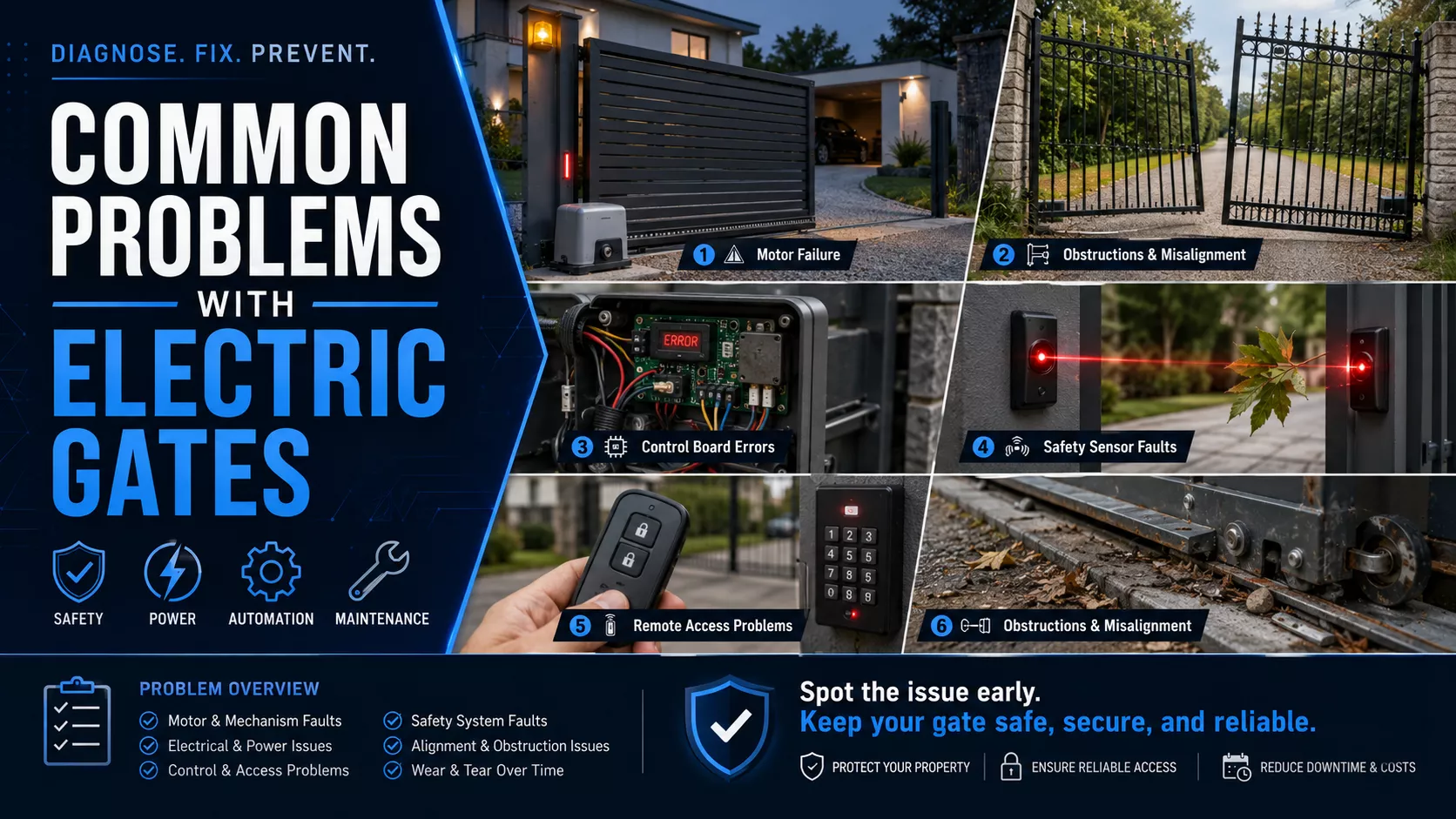
Troubleshooting and repair of alleyway gates require focused checks on alignment, movement, power, and safety functions. Both manual and automated gates can develop faults over time, often due to environmental wear, misuse, or electrical failure.
Use the following steps to identify and resolve issues:
- Power Supply and Controls
- Check that the gate is receiving power
- Inspect circuit breakers or fuses
- Replace the remote or keypad batteries
- Ensure no physical damage to control units
- Obstructions and Alignment
- Clear debris from the gate path and sliding tracks
- Inspect for warping or sticking during movement
- Check if the gate is level and properly aligned
- Examine rollers and tracks for wear or damage
- Sensors and Safety Systems
- Clean sensor lenses and check for proper response
- Test auto-reverse and stop functions on automated gates
- Ensure no obstructions are interfering with detection
- Mechanical and Motor Components
- Lubricate hinges, locks, and rollers on manual gates
- Inspect motor response on electric gates
- Test the manual release to confirm the backup function
- When to Seek Help
- Contact a qualified technician for persistent faults
- Avoid DIY repairs for wiring or motor-related issues
Fixing Misalignment or Sags
Fixing misalignment or sag in an alleyway gate is essential to maintain proper function and security. Over time, gates may shift due to loose hinges, worn components, or unstable support posts. Early correction prevents further structural stress and access issues.
Key steps include:
- Identify the fault
- Check if the gate drags, leans, or fails to latch correctly
- Look for gaps between the gate and frame or uneven height
- Secure loose fittings
- Tighten all hinge screws and bolts
- Replace stripped screws with longer or thicker alternatives
- Adjust the gate position
- Insert shims behind the hinges to realign the gate
- Reposition brackets if the frame is warped
- Reinforce the structure
- Use anti-sag kits, diagonal tension rods, or steel corner braces
- Check the posts for movement or rot and stabilise if necessary
Misalignment should be addressed early to avoid permanent damage.
Repairing Worn-Out Hinges and Locks
Worn hinges and faulty locks affect both the security and operation of alleyway gates. These components endure constant use and exposure, making them prone to loosening, corrosion, or misalignment over time. Prompt repair helps prevent further structural strain or unauthorised access.
Follow these key steps:
- Tighten or replace hinge screws
- Use longer or thicker screws if existing ones are stripped
- Swap out damaged hinges with heavy-duty alternatives suitable for the gate’s weight
- Check and secure the gate post
- Reinforce loose posts with wall plugs or brackets
- Ensure the gate hangs correctly from a stable base
- Address gate sag with hardware
- Adjust hinges or install a turnbuckle and cable for support
- Use adjustable hinges for fine-tuning alignment
- Repair or replace lock mechanisms
- Tighten loose strike plates or latch screws
- Fit a new lock if parts are broken or no longer secure
- Apply lubrication and inspect regularly
- Use silicone spray on moving parts
- Check for signs of wear during routine inspections
Repainting and Refinishing Wooden Gates
Repainting or refinishing a wooden alleyway gate restores its appearance and protects it from weather damage, mould, and UV exposure. Proper preparation and material choice are key to achieving a durable finish.
Use the following steps:
- Surface cleaning
- Wash off dirt, mould, and peeling paint using a stiff brush or pressure washer
- Allow the wood to dry completely before refinishing
- Sanding and repair
- Sand the surface to smooth rough patches and remove flaking paint
- Fill cracks or holes with exterior wood filler
- Sand repaired areas again once dry
- Priming (if needed)
- Apply an exterior wood primer if using paint or refinishing bare wood
- Ensure even coverage for proper paint adhesion
- Painting or staining
- Use weather-resistant outdoor wood paint or stain
- Apply in thin, even coats with a brush or roller
- Sealing the finish
- Add a protective sealant to improve moisture resistance and extend durability
How Can You Prolong the Lifespan of Alleyway Gates?
Prolonging the lifespan of alleyway gates depends on consistent maintenance, appropriate usage, and timely repairs. Exposure to the elements and frequent handling can cause wear, but preventative care significantly reduces damage and extends durability.
Follow these key practices:
- Clean regularly
- Remove dirt, leaves, and debris to prevent moisture buildup
- Clean wooden gates with mild detergent to avoid surface decay
- Prevent rust
- Inspect hinges, fasteners, and locks for early signs of corrosion
- Apply rust inhibitors and touch up paint on exposed metal areas
- Lubricate moving parts
- Use silicone or lithium-based grease on hinges, rollers, and locks
- Reapply lubricant every few months or after heavy rain
- Repair promptly
- Fix minor cracks, loose parts, or sagging before they worsen
- Replace damaged hinges, locks, or panels when needed
- Use the gate properly
- Avoid slamming or forcing the gate open
- Engage the drop bolt when the gate is open to prevent swinging
- Schedule professional servicing
- Use qualified technicians for electric gates or heavy structural issues
Protecting Against Weather Damage
Protecting alleyway gates from weather damage helps maintain structural strength, appearance, and functionality. While materials like galvanised steel and hardwood provide some natural resistance, additional protective measures are essential for long-term durability, especially in wet or coastal environments.
Use the following practices to minimise weather impact:
- Apply protective coatings
- Use exterior-grade paint, stain, or sealant on wooden gates
- For metal gates, apply anti-rust primer and weather-resistant paint
- Ensure proper drainage
- Keep the ground around the gate clear to prevent water pooling
- Check that gateposts are stable and not absorbing ground moisture
- Use weather-resistant materials
- Choose galvanised or powder-coated steel for rust resistance
- Select treated timber or hardwood for enhanced moisture control
- Maintain moving parts
- Lubricate hinges and locks to prevent seizing from frost or rain
- Tighten and inspect fixings regularly to avoid wind damage
Weather protection extends gate lifespan and reduces long-term repair needs.
Rust Prevention for Metal Gates
Rust prevention is essential for maintaining the strength and appearance of metal alleyway gates. Exposure to rain, humidity, and air pollutants accelerates corrosion, especially on unprotected steel or iron. Preventative treatment creates a protective barrier and extends the gate’s lifespan.
Effective rust prevention measures include:
- Apply an epoxy primer
- Use a brush or roller to coat bare or sanded metal surfaces
- Let the primer dry thoroughly before applying a topcoat
- Use rust-resistant paint
- Choose exterior-grade, weatherproof paint suitable for metal surfaces
- Apply at least two coats for consistent coverage and protection
- Inspect regularly
- Check for flaking paint, surface rust, or exposed metal
- Repaint affected areas promptly to prevent corrosion from spreading
- Clean metal surfaces
- Remove dirt and salt build-up that can accelerate rust formation
- Lubricate joints and hinges
- Prevent moisture from settling in moving parts using water-repellent grease
These steps help reduce long-term damage and preserve gate function.
Sealing and Staining Wooden Gates for Durability
Sealing and staining wooden alleyway gates protect the timber from UV rays, moisture, and general weathering. These treatments strengthen the surface, prevent rot, and enhance the gate’s appearance for years.
Follow these steps for effective treatment:
- Prepare the wood
- Sand the surface with 120–220 grit sandpaper, following the grain
- Clean off dust and debris with a soft brush and a damp cloth
- Fill cracks with wood filler and sand smooth once dry
- Apply a wood stain
- Choose an exterior-grade stain with UV protection
- Apply evenly with a brush, let it absorb, and wipe excess
- Use two coats for even colour and added protection
- Seal the surface
- Use a weatherproof sealant suitable for outdoor wood
- Cover all sides, including edges and end grain
- Allow full drying before use
- Maintain regularly
- Clean the gate seasonally and reapply sealant every 2–3 years
- Lubricate hinges and latches to protect metal parts
Final Thoughts
Regular maintenance of alleyway gates is essential for preserving function, enhancing security, and extending the lifespan of both manual and automatic systems. Consistent cleaning, lubrication, rust prevention, and visual inspections help prevent costly damage and ensure reliable access for residents, emergency services, and waste collection teams.
Periodic inspections allow early identification of issues such as sagging, corrosion, or mechanical wear, enabling minor repairs before they turn into structural failures. For gates exposed to harsh weather or heavy use, planned upkeep is not optional but necessary.
By combining proper usage with routine care, residents and property managers can avoid breakdowns, uphold safety standards, and maintain kerb appeal. When repairs exceed DIY capabilities, timely professional intervention ensures compliance and long-term performance.
Sustained attention to gate maintenance protects property value, promotes community safety, and fulfils legal or tenancy obligations tied to shared access points.
Frequently Asked Questions
Conduct a visual and functional inspection every three months and after severe weather. Early checks reveal rust, loose fixings, or misalignment before they compromise security or incur higher repair costs.
Choose a silicone-based or PTFE (Teflon) spray. Both repel moisture, resist dirt, and reduce metal-to-metal friction, helping hinges, locks, and rollers move freely in damp, dusty, or coastal environments.
Clean surfaces, clear debris, lubricate moving parts, treat emerging rust, and repaint or reseal exposed timber or metal. Consistency in these tasks prevents structural decay and keeps the gate safe and operable.
Remove flaking paint, apply an epoxy primer, and finish with two coats of exterior-grade, weather-resistant paint. Regularly wash off salt or pollution deposits and touch up damaged areas promptly.
Stain blocks UV light, preserving colour and grain, while a clear sealant locks out moisture. Together, they prevent rot, warping, and insect damage, thereby maintaining both the appearance and structural integrity.
Sagging stems from loose hinges, worn screws, or unstable posts. Tightening fixings, adding shims, or fitting anti-sag braces realigns the gate and removes stress from the surrounding hardware.
Contact a qualified technician for electric motor faults, persistent alignment issues, or structural cracks in posts or frames. Professional servicing ensures compliance with safety standards and prevents accidental injury.
Day-to-day upkeep, cleaning, lubrication, and damage reporting are the responsibility of residents or managing agents. Housing associations or councils may fund major repairs, but prompt reporting by users remains essential.
A low-pressure wash safely removes ingrained dirt. High-pressure jets, however, strip paint, force water into joints, and accelerate corrosion or timber swelling, so always use moderate settings.