Alleyway gate designs define both the aesthetic character and functional control of private or shared entry points. These designs vary across architectural styles, materials, and security features, offering a blend of privacy, access control, and visual harmony. Property owners select gate designs to reflect structural form, urban context, and usage requirements.
Table of Contents
- 1. What Are the Main Alleyway Gate Design Styles?
- 2. Why Is the Right Gate Design Important for Your Property?
- 3. What Are the Differences Between Classic, Modern, and Rustic Alleyway Gate Designs?
- 4. How Do Decorative and Practical Alleyway Gate Designs Compare?
- 5. What Customisation Features Can Be Added to Alleyway Gates?
- 6. What Are the Current Design Trends for Alleyway Gates?
- 7. Final Thoughts
- 8. Frequently Asked Questions
What Are the Main Alleyway Gate Design Styles?
Alleyway gate design styles include classic, modern, rustic, and industrial variations. Each reflects distinct architectural themes and material aesthetics.
Common Gate Design Styles:
Style Type | Common Materials | Visual Characteristics | Typical Use Case |
Victorian | Wrought iron, steel | Ornate scrolls, curved bars | Heritage homes, garden lanes |
Contemporary | Aluminium, composite | Clean lines, geometric patterns | Modern properties |
Rustic | Timber, cast iron | Weathered textures, solid frames | Countryside alleys |
Industrial | Galvanised steel, mesh | Functional, minimal, exposed joints | Urban accessways |
Cottage | Hardwood, painted metal | Decorative panels, floral motifs | Narrow residential paths |
Why Is the Right Gate Design Important for Your Property?
The gate design you choose affects security, property value, kerb appeal, and functional usage. A gate serves as a transitional space between public and private zones. Its design must match the environmental demands, security needs, and aesthetic vision of the property.
Key Reasons for Selecting the Right Gate Design:
- Enhances security posture through material strength and lock compatibility
- Reinforces property identity through custom finishes and design themes
- Balances visibility and privacy using slatted, solid or openwork formats
- Improves pedestrian and vehicle flow through size and swing options
- Aligns with planning regulations in urban and historic zones
What Are the Differences Between Classic, Modern, and Rustic Alleyway Gate Designs?
Alleyway gates fall into three dominant styles, classic, modern, and rustic, each serving unique design intents and architectural contexts. These styles are defined by material use, visual detailing, and alignment with property aesthetics. Selecting the right type enhances both kerb appeal and functional integration.
Classic gate designs draw influence from historical periods such as the Georgian and Victorian eras. They are suited to formal entrances and period architecture.
- Use wrought iron, cast iron, or galvanised steel
- Feature scrollwork, decorative finials, and symmetrical patterns
- Provide heritage value, architectural continuity, and elegance
- Often installed at listed properties, garden alleys, or Victorian terraces
Modern designs focus on simplicity and practicality, making them ideal for contemporary architecture. Clean visuals dominate, and the materials promote low upkeep.
- Use aluminium, powder-coated steel, or composite panels
- Feature flat surfaces, straight lines, and concealed fixings
- Provide minimalist aesthetics, weather resistance, and ease of maintenance
- Fit well with urban developments, modern homes, and new build projects
Rustic gates evoke natural charm and blend into rural settings. They complement aged materials and countryside textures.
- Use hardwood, reclaimed timber, or forged iron
- Features include visible grain, raw finishes, and handcrafted joints
- Provide warmth, texture, and organic character
- Suitable for cottage paths, stone-paved lanes, or farm entrances
Each style serves a distinct purpose, influencing durability, maintenance, and visual impact.
Classic Alleyway Gates
Classic alleyway gates represent timeless design principles, often tied to period architecture and traditional craftsmanship. These gates commonly feature wrought iron, cast iron, or galvanised steel with detailed elements such as scrollwork, spiked finials, and arched frames. The design intent is to reflect symmetry, ornamentation, and historic relevance.
They are especially suited for Victorian terraces, Georgian façades, or properties in heritage zones where conservation aesthetics matter. The use of iron not only adds visual weight but also supports security objectives, making it both protective and decorative.
These gates often require occasional rust-proof treatment, but their architectural integration and long lifespan make them a preferred choice in character-driven neighbourhoods.
Modern Alleyway Gates
Modern alleyway gates prioritise simplicity, functionality, and material efficiency, aligning with contemporary architecture and urban space optimisation. These gates typically use aluminium, powder-coated steel, or composite materials that resist corrosion and reduce upkeep. Their designs feature clean lines, flat surfaces, and concealed fixings, creating a seamless and uncluttered look.
Ideal for modern homes, urban alleys, and new developments, they blend into minimalist façades and match architectural cladding or metal fencing systems. Visual uniformity and space-conscious design drive their adoption in high-density settings.
These gates suit homeowners seeking a sleek aesthetic with low maintenance needs.
Rustic Alleyway Gate Designs
Rustic alleyway gate designs evoke a natural, aged character, often associated with countryside homes, stone pathways, and traditional gardens. These gates typically use hardwood, reclaimed timber, or forged iron, with an emphasis on handcrafted details, textured finishes, and visible grain patterns. The aesthetic is informal and warm, creating a sense of organic integration with the surrounding landscape.
Ideal for rural properties, cottage entrances, and farm-style lanes, rustic gates prioritise authenticity over symmetry. Their appeal lies in their weathered surfaces, wood knots, and natural patina, which develop further over time.
Rustic gates suit those seeking traditional textures and visual softness.
How Do Decorative and Practical Alleyway Gate Designs Compare?
Alleyway gate designs must achieve a balance between visual appeal and practical functionality. While decorative gates aim to enhance the property’s appearance and reflect architectural style, practical gates focus on security, durability, and daily usability. The best gates combine both elements to meet design expectations and real-world requirements.
Below is a detailed comparison of decorative and practical gate design aspects:
Design Aspect | Decorative Designs | Practical Designs |
Primary Purpose | Enhance appearance and complement building aesthetics | Provide safety, durability, and controlled access |
Common Materials | Wrought iron, timber, ornamental aluminium | Powder-coated steel, solid composite panels, galvanised frames |
Style Features | Ornate scrolls, heritage motifs, customised patterns, shaped frames | Solid infills, plain bars, anti-climb tops, clean-lined geometry |
Visual Impact | High kerb appeal, style-matched to traditional or modern architecture | Neutral or minimal visual presence to prioritise function |
Security Features | Often secondary (may lack integrated locking systems) | High-quality locks, reinforced joints, tamper-resistant fittings |
Durability Focus | Aesthetic coatings are prone to wear without maintenance | Weatherproof finishes, rust resistance, and long-term strength under frequent use |
Access Efficiency | Manual operation, decorative hinges, sometimes heavier to open | Designed for ease of use, swing or slide mechanisms, compatible with emergency access |
This comparison highlights the trade-offs between visual elegance and daily performance.
Balancing Aesthetic Appeal with Functionality
Balancing aesthetic appeal with functional performance in alleyway gates requires a considered approach to material choice, design integration, and security provision. The goal is to ensure the gate both enhances the property’s look and delivers reliable protection.
Material Selection is key:
- Wrought iron offers classic elegance but needs routine care
- Stainless steel provides a modern, sleek appearance with minimal maintenance
- Aluminium is lightweight, corrosion-resistant, and ideal for contemporary styles
Design Integration involves aligning the gate form with the surroundings:
- Use ornamental scrollwork, custom patterns, or decorative panels to maintain style continuity
- Match colours, finishes, and proportions to the existing façade
Functionality and Security are equally important:
- Add smart locks, CCTV-ready structures, or access control units discreetly
- Ensure the gate is easy to open, weather-resistant, and scaled appropriately
Lighting and Community Considerations:
- Integrate subtle lighting for safety and nighttime visibility
- Maintain neighbourhood cohesion by designing gates that feel open yet protective
This blend supports visual consistency without sacrificing performance.
Examples of Decorative and Practical Gates
Alleyway gates can combine ornamental features with functional strength, offering both security and visual enhancement. Well-chosen designs adapt to the surrounding architecture, while addressing space, privacy, and maintenance needs.
Decorative Gate Examples:
- Wrought iron gates with scrollwork, geometric shapes, or floral motifs create a classic, refined entrance
- Custom timber gates featuring monograms, carved panels, or engraved initials add personal identity
- Mixed-material gates, such as wood with metal frames or glass inserts, offer a modern visual contrast
Practical Gate Examples:
- Steel gates with solid infill panels improve privacy and anti-tamper protection
- Sliding or folding gates (e.g. scissor gates) optimise space in narrow alleyways
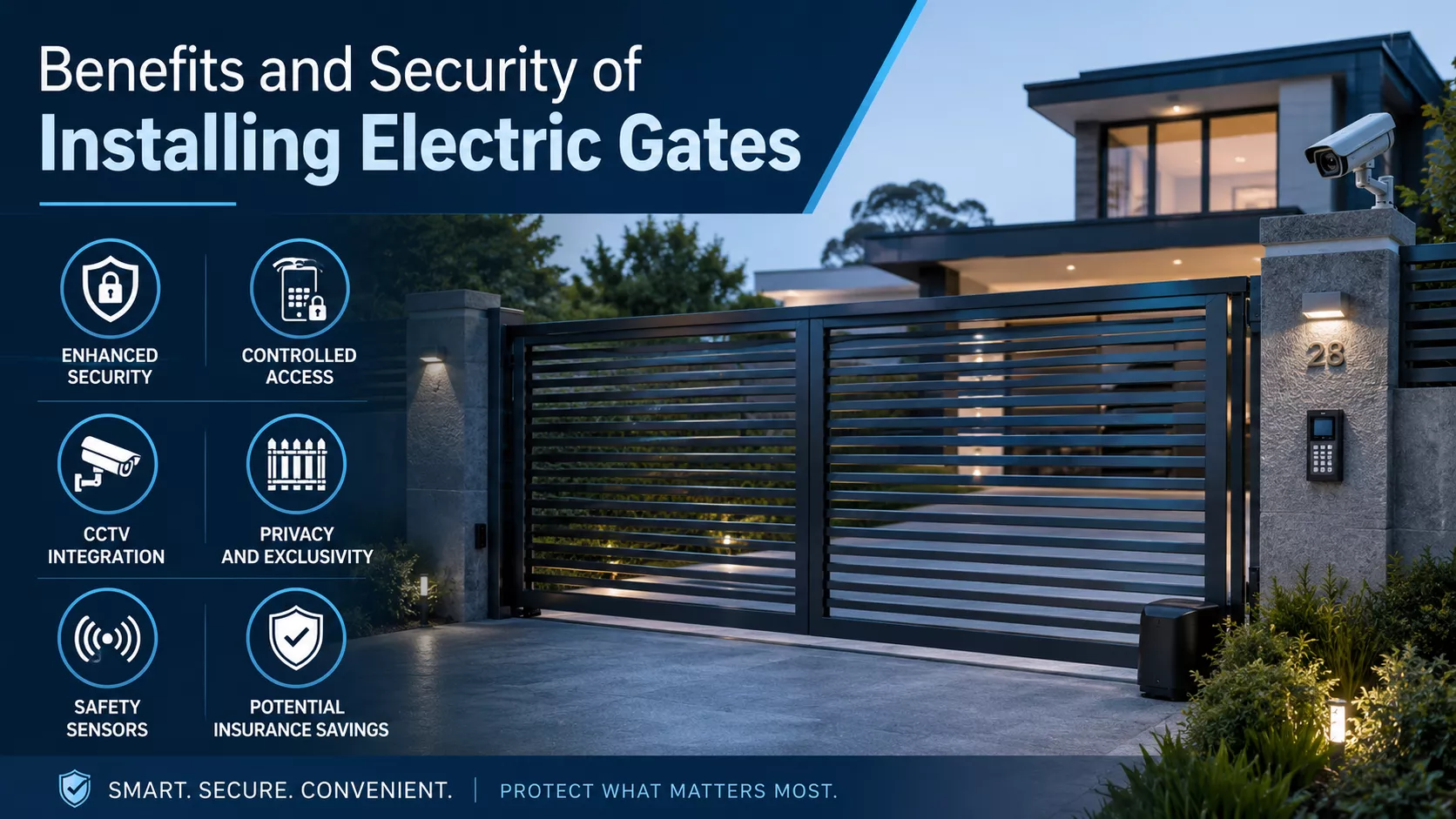
- Automated gates with remote access, keypad entry, or intercom systems enhance usability and security
What Customisation Features Can Be Added to Alleyway Gates?
Alleyway gates offer a wide range of customisation features to meet security needs, aesthetic preferences, and functional requirements. Each element can be tailored to suit the environment, property layout, and user access demands, ensuring the gate performs effectively while enhancing the overall appearance of the space.
Key Customisation Options:
Feature Category | Options & Descriptions |
Material Selection | Steel for high strength and weather resistance (galvanised and powder-coated); Timber for natural aesthetics and strong physical barriers |
Dimensions | Height: Typically 1.83m or more for security; Width: Custom-fit to alley entrance |
Infill Choices | Solid panels, vertical bars, or steel mesh for privacy and visual screening |
Locking Mechanisms | Key-operated locks, digital keypads, electric strike locks, or smart locks |
Anti-Climb Features | Spear tops, finials, or angled panels to prevent scaling |
Concealed Fixings | Hidden screws and brackets to reduce tampering |
Noise Reduction | Rubber buffers or soft-close strips for quieter operation |
Safety Devices | Photocells, light curtains, or manual override features for automatic gates |
Decorative Elements | Scrollwork, family crests, custom panels, or painted accents |
Colour & Finish | Durable powder coatings in RAL colours to match the surroundings |
Access Control | Manual or automated systems, including remote fobs, keypads, or intercom units |
Operational Features | Monitoring, regular maintenance plans, and crime displacement assessments |
These features allow for a tailored solution that matches both visual expectations and functional reliability.
Adding Decorative Elements
Decorative elements can transform an alleyway gate from a purely functional barrier into an architectural feature that enhances the property’s style and presence. These additions elevate visual interest while maintaining structural integrity and access control.
Common materials like metal, timber, and composite blends support a wide range of design treatments. Elements such as arched tops, scalloped edges, and lattice panels introduce fluid shapes that soften the gate’s appearance. For a more bespoke design, gates can feature cut-out patterns, scrollwork, or custom motifs.
Additional enhancements like finials, engraved panels, or decorative post caps further personalise the gate. Colour-matched powder coatings or stained wood finishes ensure consistency with surrounding structures. These touches create harmony between the gate and its environment.
Choice of Gate Latches and Locks
Selecting the right latch or lock is essential for ensuring both security and usability in alleyway gates. The type of locking system depends on the gate’s material, location, and intended use, with options ranging from keyed locks to mechanical coded systems and traditional latches.
Keyed Locks
- Provide reliable and tamper-resistant access
- Include long-throw bolts, weatherproof housings, and keyed-alike options
- Ideal for high-security residential or commercial gates
- Example: Gatemaster locks are known for their robust build and simple installation
Mechanical Coded Locks
- Use push-button panels for controlled entry
- Offer dual-sided code access, anti-code detection, and no battery requirements
- Suitable for shared alley gates or multi-user access points
Traditional Latches
- Ring latches provide easy manual access for light-duty gates
- Suffolk latches suit rustic wooden gates with a heritage look
- Thumb latches offer a balance of security and convenience
- Auto-latches engage automatically when closed
Incorporating Automation for Convenience
Automating alleyway gates adds convenience, security, and property value by streamlining access and integrating with modern technology. These systems reduce the need for manual operation and are particularly beneficial in poor weather, during late arrivals, or when hands-free entry is needed.
Automation Features and Benefits:
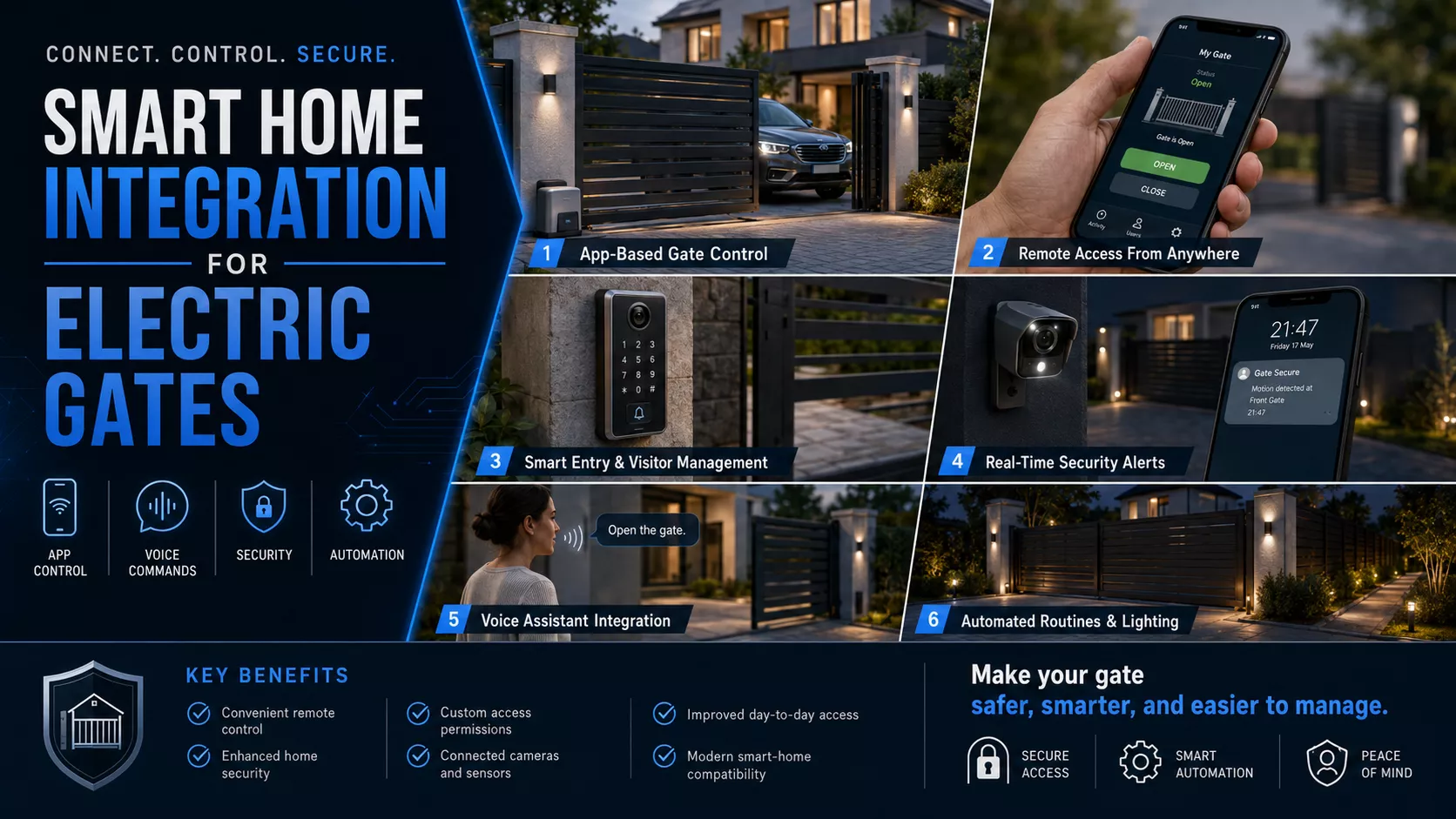
- Remote access via fobs, keypads, or smartphone apps
- Smart home integration for centralised gate and security control
- Obstacle detection sensors and safety edges to prevent injury or damage
- Access logging in some systems for tracking entry/exit activity
Gate Types Suitable for Automation:
- Sliding gates: Ideal for narrow spaces or alleyways with limited clearance
- Swing gates: Open inwards or outwards, better for larger clearances
- Automated pedestrian gates: Smaller, often linked with main systems
Professional installation and regular maintenance ensure long-term reliability.
What Are the Current Design Trends for Alleyway Gates?
Current design trends for alleyway gates reflect a shift towards minimalist aesthetics, sustainable choices, and technology integration. These trends are driven by the need for enhanced security, low-maintenance finishes, and designs that blend seamlessly with modern or heritage surroundings.
Key Gate Design Trends:
Trend | Description & Benefits |
Minimalist Aesthetics | Clean lines, flat panels, and muted colour palettes (e.g. anthracite grey, matte black) |
Smart Integration | Automated openers, keypad entry, intercoms, and app-based access systems |
Sustainable Materials | Use of reclaimed timber, composite panels, or powder-coated aluminium |
Decorative Features | Custom infill panels, laser-cut patterns, and subtle scrollwork for added character |
Privacy-Focused Infill | Solid panels or slatted designs to limit visibility while maintaining airflow |
Anti-Climb Design | Spear tops, curved edges, or vertical bar orientation for security without a harsh appearance |
These trends prioritise long-term value, visual appeal, and enhanced user control.
Minimalistic Designs
Minimalistic alleyway gate designs focus on clean geometry, uncluttered forms, and function-first aesthetics. These gates remove decorative excess and highlight material quality, proportional balance, and durability. They are ideal for contemporary properties and urban settings where sleek, low-visual-impact solutions are preferred.
Common Materials:
- Powder-coated aluminium and galvanised steel offer durability and minimal upkeep
- Cedar, redwood, or composite boards provide a clean, natural look with a smooth grain
Key Features:
- Geometric shapes: flat panels, rectangles, or aligned slats
- Neutral colours: black, grey, natural wood, or matte finishes
- Subtle hardware: concealed hinges, flush handles, or narrow frames
Minimalist gates provide privacy and security with reduced maintenance.
Sustainable and Eco-Friendly Gate Designs
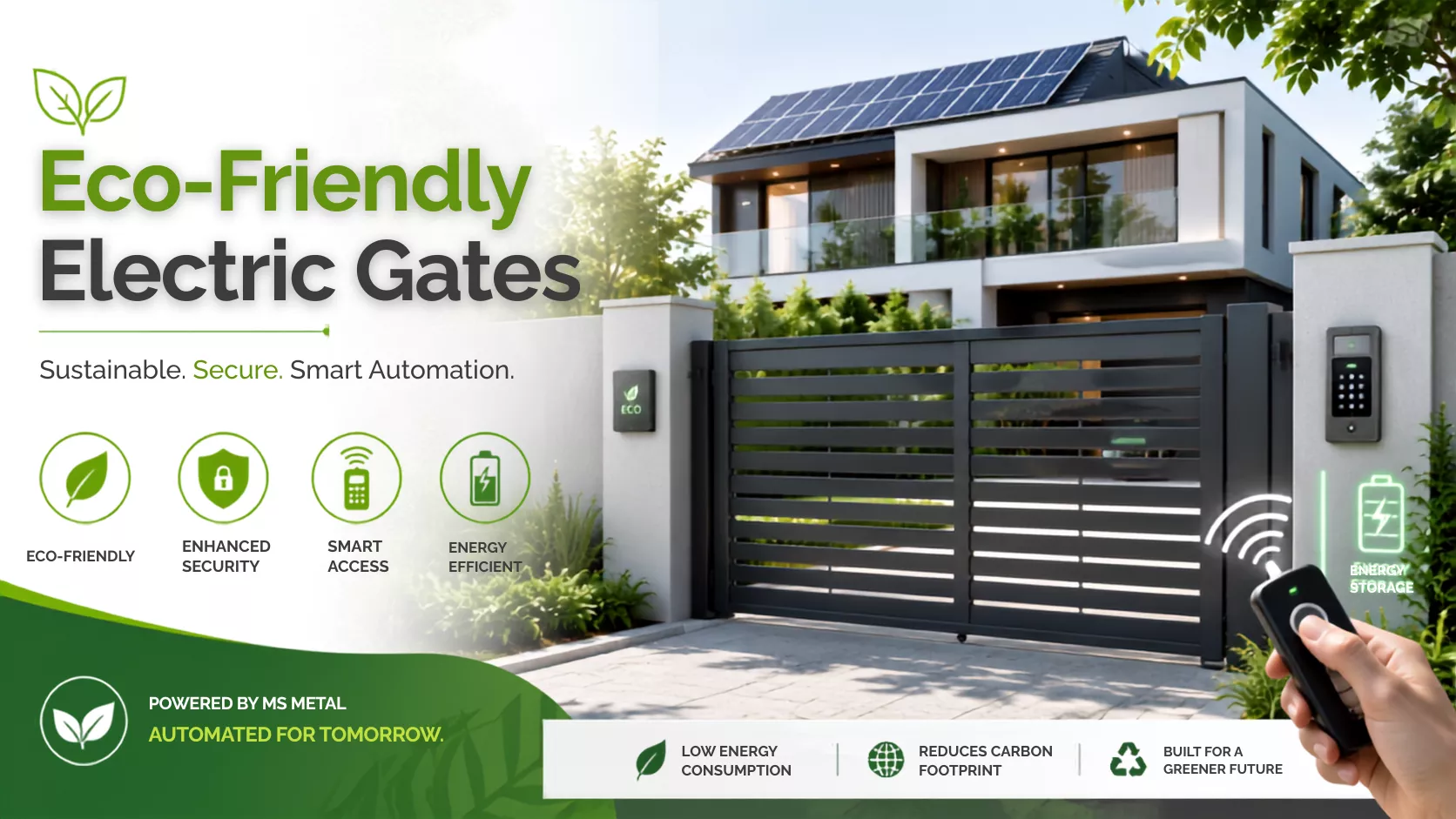
Sustainable alleyway gate designs prioritise eco-conscious materials, energy-efficient production, and long-term environmental impact reduction. These designs appeal to property owners aiming to lower their carbon footprint without compromising durability or appearance.
Common Eco-Friendly Materials:
- Reclaimed timber from demolition sites or sustainable forests
- Recycled aluminium or steel with low-emission powder coatings
- Wood-plastic composites (WPC) that reduce reliance on virgin wood and plastics
Key Features:
- Low-maintenance finishes that extend product life and reduce chemical use
- Modular designs that allow for the repair or replacement of individual parts
- Locally sourced materials to reduce transportation-related emissions
Eco-friendly gates align with both modern sustainability standards and visual harmony.
Final Thoughts
Choosing the right alleyway gate design involves balancing style, security, and site-specific requirements. Whether you prefer a classic wrought iron look, a modern aluminium structure, or a rustic timber finish, your gate should reflect the surrounding architecture, suit the local setting, and meet functional demands such as privacy and durability.
Frequently Asked Questions
Aluminium resists rust and needs minimal repainting, while wrought iron demands periodic anti-corrosion treatment. Timber requires sealing but offers a warm texture. Choose according to climate exposure and upkeep budget.
Solid infill panels, concealed fixings, and laser-cut motifs deliver privacy and decorative flair simultaneously.
Yes. Flat aluminium sheets paired with long-throw locks form an unclimbable surface. Clean geometry hides hinges and deters leverage attacks without adding visual clutter.
Sliding motors or compact in-swing operators fit narrow passages, using obstacle sensors for safe movement. Automation removes manual effort yet preserves limited turning space.
Reclaimed hardwood, recycled aluminium, and wood-plastic composites cut virgin resource use and lower embodied carbon while matching modern durability standards.
A minimum of 1.83 m (6 ft) deters casual climbing and satisfies many local guidelines; higher custom builds provide additional deterrence where regulations allow.
Mechanical coded locks give key-free access, dual-side entry codes, and no batteries, ideal for shared alleys needing both convenience and vandal resistance.
Vertical or horizontal slatted infills offer staggered gaps that screen views yet let air circulate, balancing privacy with ventilation.
Not when materials and finishes are matched to conditions. Galvanised steel scrolls or UV-stable timber inlays retain structural strength and resist weathering while adding character.