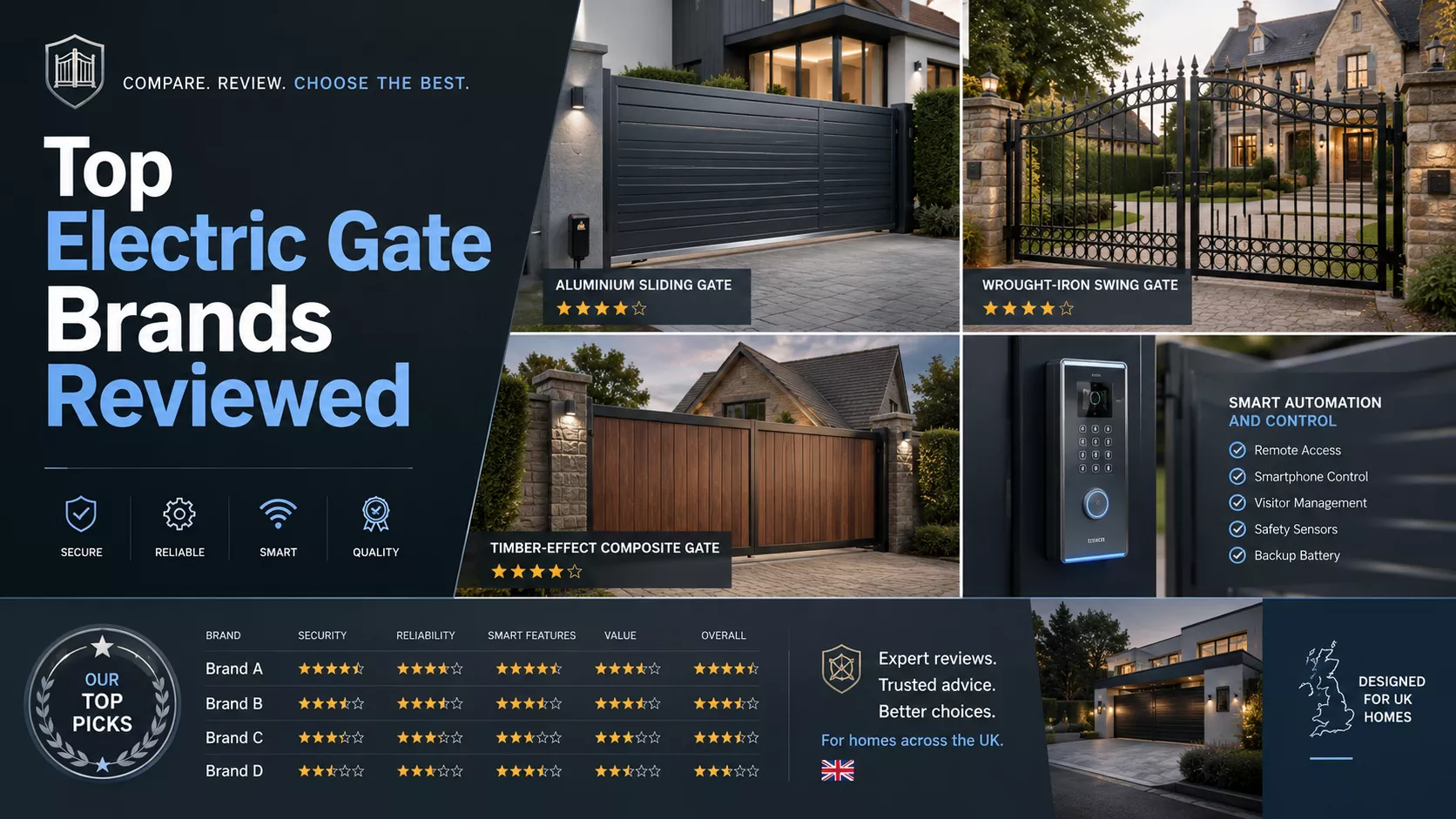
Alleyway gate design is transforming through a blend of minimalist aesthetics, smart technology, and sustainable engineering. This shift is driven by growing urbanisation, rising security concerns, and the demand for low-maintenance yet stylish solutions. Gates are no longer static structures; they are becoming intelligent access systems integrated into modern living environments.
Recent trends show clear preferences:
- Minimalist forms use clean lines, flat panels, and geometric symmetry, often built with powder-coated aluminium or galvanised steel for strength and sleekness.
- Sustainable materials, such as reclaimed timber and composite polymers, reduce environmental impact while adding natural textures or custom finishes.
- Smart technology, including keypad access, intercom systems, motion sensors, and app-controlled locks, enhances both security and daily convenience.
These innovations aren’t stylistic choices alone; they solve real problems. Older gate models lack durability, consume more maintenance resources, and don’t support remote access or automation. As crime prevention, sustainability, and digital convenience become top priorities, innovation is no longer optional; it is a functional requirement.
Municipal authorities, architects, and homeowners now expect:
- Higher durability: Materials must resist rust, UV degradation, and impact damage.
- Better integration: Gates should work seamlessly with smart homes and surveillance systems.
- Eco-compliance: Products should align with BREEAM or similar green building standards.
- Custom aesthetics: Designs must match varied property styles, from contemporary to transitional.
In short, alleyway gates are evolving from passive barriers to active components of modern security and design systems.
Table of Contents
How Are Smart Alleyway Gates Changing Security and Access?
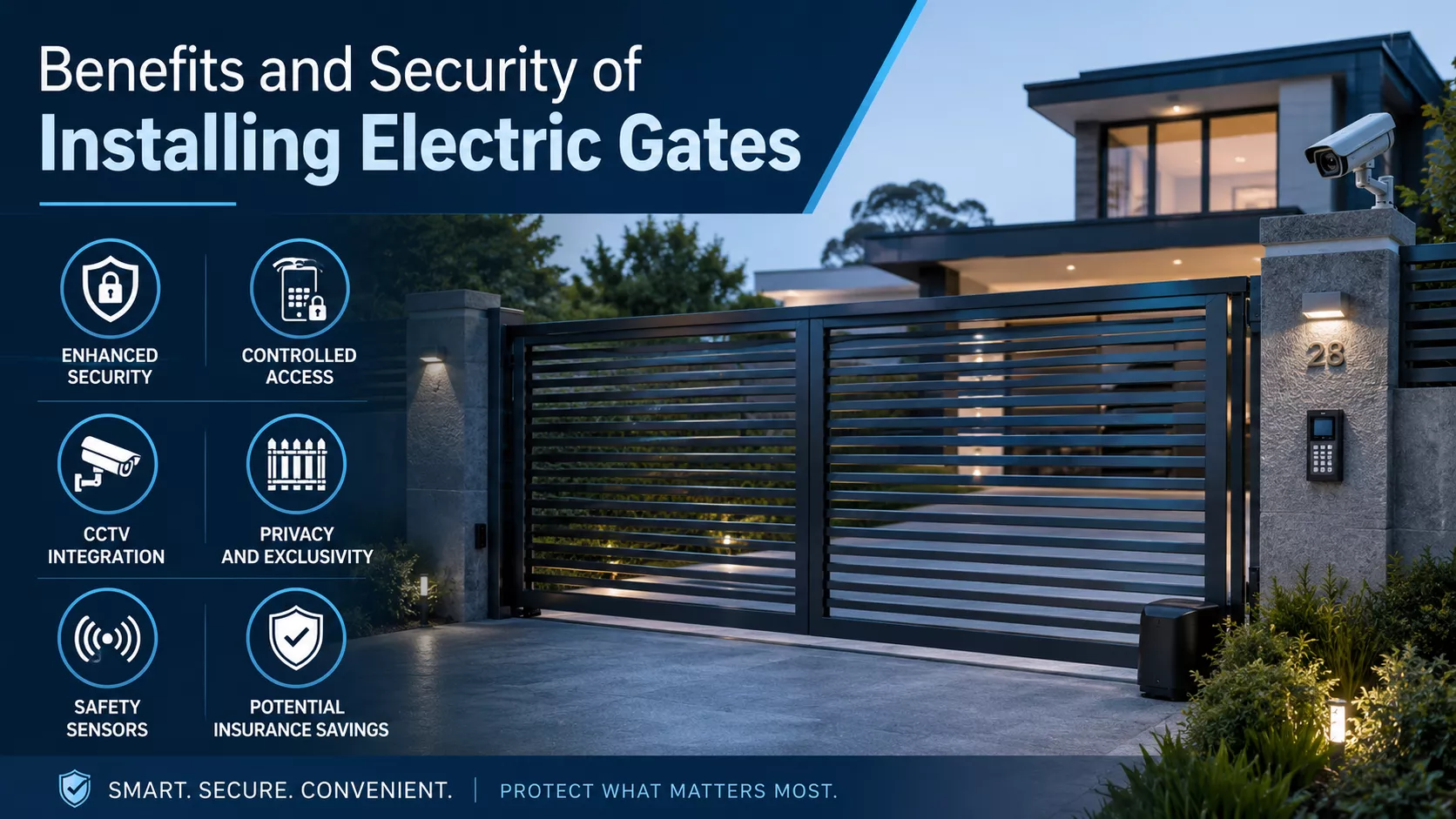
Smart alleyway gates combine physical access control with digital technology, transforming traditional gate systems into intelligent security solutions. These gates integrate automated openers, RFID entry, video intercoms, and remote access apps, giving homeowners full control over entry points via smartphones, tablets, or voice assistants.
Entities like Wi-Fi-enabled gate motors, Bluetooth controllers, and cloud-connected keypads allow for real-time access management. Users can grant or revoke access remotely, monitor visitor activity, and receive instant alerts through mobile notifications. This eliminates the need for manual locks or keys, reducing unauthorised access risks.
Smart features also improve convenience. Timed access settings let users automate gate opening and closing for deliveries, household staff, or family members. In case of power failure, many systems offer battery backups or manual override mechanisms to maintain reliability.
In high-density urban areas, integrating smart gates with CCTV systems and alarm sensors increases perimeter surveillance. These gates also support interoperability with other smart home devices like lighting, doorbells, and intrusion alarms, creating a unified security network.
As security threats evolve and automation becomes mainstream, smart alleyway gates offer a future-proof solution that balances protection, ease of use, and modern living standards.
Integration with Smart Home Systems
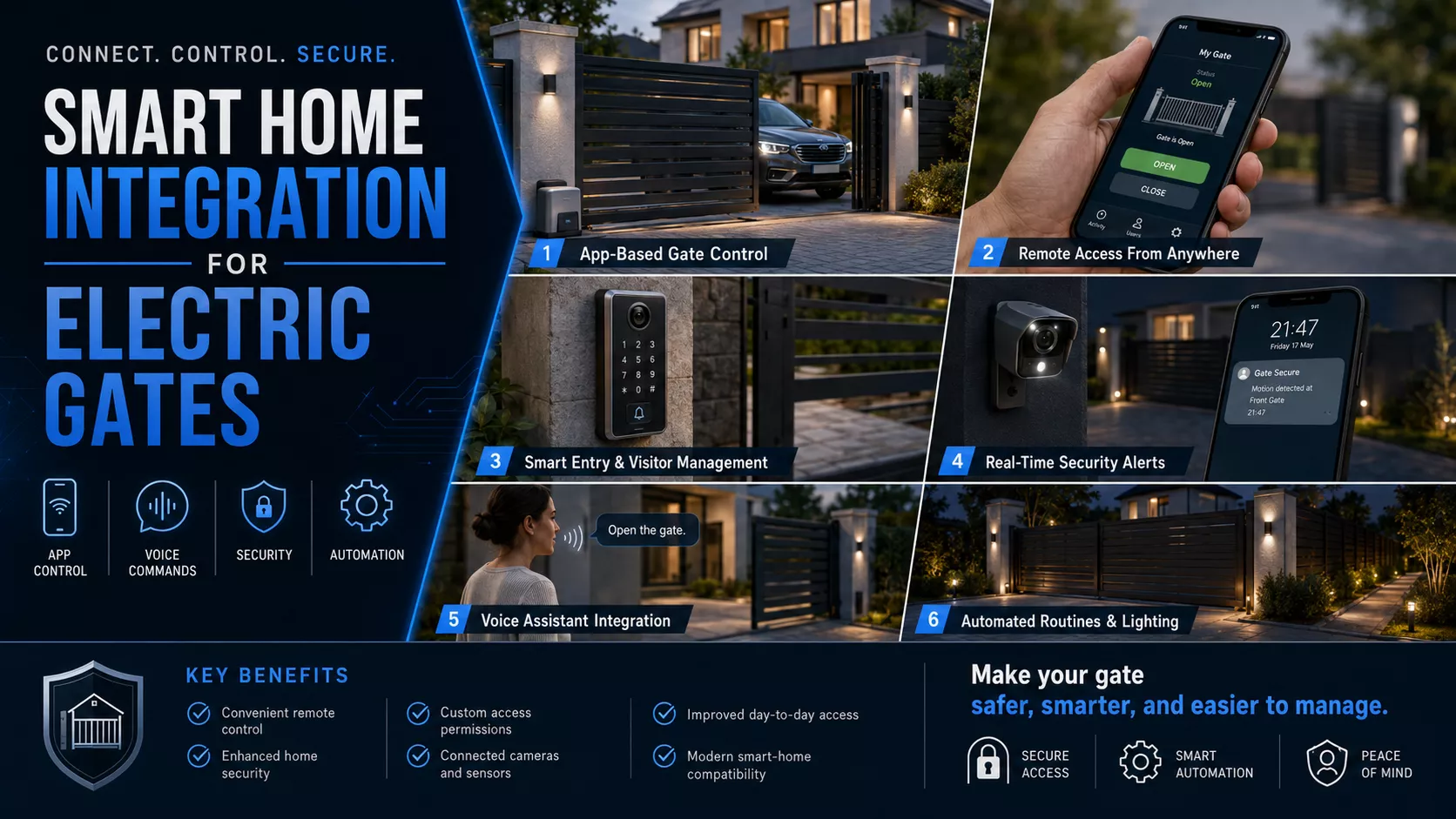
Smart alleyway gates connect directly with home automation systems to provide seamless, secure, and remote access control. By integrating with platforms like Amazon Alexa, Google Home, Apple HomeKit, Control4, and Loxone, users can manage gate functions through voice commands, smartphone apps, or scheduled routines.
This type of integration turns a standard gate into an intelligent entry system that responds to the wider smart home environment.
Key features of smart gate integration include:
- Voice activation: Open or close gates using Alexa, Siri, or Google Assistant for hands-free convenience.
- App-based control: Manage gate access from anywhere via dedicated mobile apps.
- Geofencing: Automate gate opening as a vehicle approaches, using location-based triggers.
- Scheduled access: Pre-set access times for cleaners, family members, or deliveries.
- Multi-device compatibility: Synchronise gates with smart lighting, CCTV, and alarms.
- Custom access codes: Assign individual PINs to different users with revocable permissions.
- Security alerts: Receive real-time notifications of gate activity or failed access attempts.
- Retrofit options: Add smart modules like Remootio or digiGate to existing gates.
Smart home integration not only strengthens property security but also delivers flexibility and efficiency in daily access management.
Benefits of Automated Systems and Remote Control
Automated alleyway gates with remote control enhance both security and daily convenience. These systems use electric motors, smart controls, and wireless remotes to simplify access while strengthening property protection.
By removing the need for manual operation, they offer a smoother and safer entry experience, especially in poor weather or when users have limited mobility.
Key benefits include:
- Improved security: Access control through remotes, keypads, or intercoms restricts unauthorised entry.
- Remote access: Operate gates from inside your vehicle or home, or remotely via smartphone apps.
- Enhanced accessibility: Ideal for elderly users, those with disabilities, or families carrying children or items.
- Integration with security systems: Compatible with CCTV, motion sensors, and smart alarms.
- Real-time monitoring: View gate activity logs and receive alerts for access attempts.
- Increased property value: Adds kerb appeal and perceived safety, boosting market interest.
- Reduced wear and maintenance: Less manual handling means extended hardware lifespan.
- Energy and cost efficiency: Long-term savings by reducing maintenance and labour reliance.
These benefits position automated alleyway gates as a smart investment for future-ready homes.
Features of Smart Alleyway Gates (Biometrics, Remote Monitoring)
Smart alleyway gates combine advanced access control with intelligent safety features, offering superior functionality compared to manual or traditional gates. These systems are designed to boost security, convenience, and user control in modern residential and commercial environments.
Typical features include:
- Remote access control: Operate the gate via key fobs, PIN keypads, or mobile apps from any location.
- Smart home integration: Sync with platforms like Alexa, Google Home, or Apple HomeKit for voice commands and automation.
- Obstacle detection sensors: Use photocells and safety edges to prevent accidents by stopping gate movement when objects are detected.
- Access logging: Monitor gate activity with timestamped logs to track entries and exits.
- Video intercom systems: Allow live communication and remote visual confirmation before granting access.
- Real-time alerts: Receive text or app notifications on gate usage or tampering attempts.
- Automatic locking: Enhance physical security with auto-locking after closure.
- Aesthetic flexibility: Choose from various materials, finishes, and custom designs to suit your property’s look.
These integrated features provide a seamless mix of safety, style, and smart technology.
Which Innovative and Sustainable Materials Are Used in Modern Gate Construction?
Modern alleyway gate design increasingly incorporates innovative and eco-friendly materials to meet sustainability targets, reduce environmental impact, and enhance durability. These advanced materials not only improve performance but also support circular economy principles and energy efficiency.
Common sustainable materials in gate construction include:
- Cross-Laminated Timber (CLT): CLT consists of layered timber sheets bonded at right angles. It is carbon-negative when sourced sustainably, and offers excellent structural strength and fast, low-waste installation through prefabrication.
- Hempcrete: A bio-composite of hemp, lime, and water, hempcrete provides natural insulation, moisture regulation, and a lightweight alternative to traditional concrete, all with a minimal ecological footprint.
- Recycled Aluminium: Maintaining the strength of virgin aluminium, recycled variants cut energy consumption by up to 95% and drastically lower CO₂ emissions during manufacturing.
- Bio-Based Tiles: Grown using microbial processes, these tiles offer low-carbon production and unique aesthetics suitable for cladding or decorative elements.
Additional innovations include:
- Smart glass panels that self-adjust to tint to control light and heat;
- Recycled aggregates to replace virgin stone or concrete;
- Invisible solar cells are integrated into gate panels for renewable energy generation.
These materials contribute to longer lifespan, reduced maintenance, and environmentally responsible design in alleyway gate systems.
Eco-Friendly Materials for Gates (Recycled Metals, Sustainable Wood)
Eco-friendly alleyway gates prioritise low environmental impact, durability, and visual appeal by using sustainable and recycled materials. These alternatives to virgin wood and non-recycled metal help reduce deforestation, waste, and energy use during production.
Popular eco-conscious materials include:
- Reclaimed wood: Salvaged oak, cedar, or pine offers rustic charm and reduces the need for new timber harvesting. Each piece has unique grain patterns, enhancing the gate’s aesthetic character.
- Recycled metal: Aluminium and steel from post-consumer waste are durable, rust-resistant, and often coated with low-emission powder finishes. They require significantly less energy to produce than virgin metals.
- Bamboo: As a rapidly renewable material, bamboo provides strength and versatility. It can be woven or formed into solid panels for privacy and style.
- Wood-plastic composites (WPC): Made from recycled fibres and plastics, WPC gates mimic natural wood, resist weathering, and need minimal upkeep.
When choosing materials, consider climate exposure, maintenance needs, and carbon footprint to ensure both environmental and long-term performance benefits.
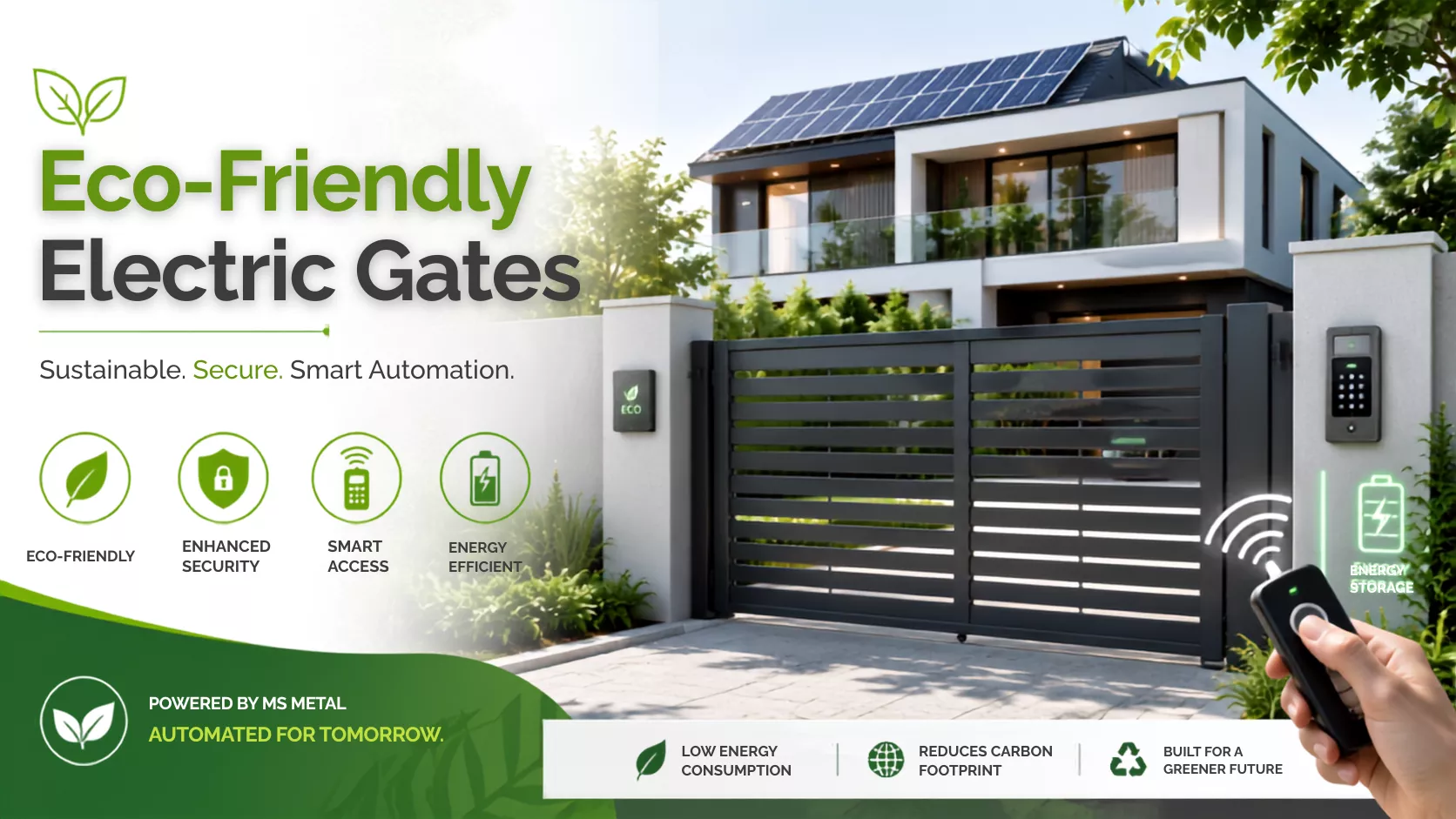
The Rise of Solar-Powered Alleyway Gates
Solar-powered alleyway gates are becoming a practical and eco-friendly solution for homeowners and businesses seeking energy independence and lower operational costs. Driven by advancements in photovoltaic technology and supported by UK government incentives, solar gate systems now offer increased efficiency and year-round reliability, even in low-light conditions.
Key reasons for their growing adoption include:
- Reduced energy bills: Solar systems lower electricity usage by harnessing free, renewable solar energy.
- Low carbon footprint: Switching to solar helps minimise reliance on fossil fuels and supports sustainability goals.
- Off-grid functionality: Ideal for rural or remote properties with limited access to mains power.
- Battery backup systems: Ensure uninterrupted gate operation during poor weather or nighttime.
- Low maintenance: Solar kits typically require minimal upkeep and have long service lives.
With global solar installations up 49% in the past decade, the trend reflects increasing public demand for clean, self-sufficient energy systems. Solar-powered alleyway gates now represent a future-ready upgrade that balances convenience, resilience, and environmental responsibility.
What Are the Emerging Trends in Gate Design?
Contemporary alleyway gate design is evolving to meet the demands of urban living, sustainability, and smart security. Modern trends prioritise clean aesthetics, high functionality, and materials that support long-term durability with minimal maintenance.
One major trend is minimalist design, featuring sleek lines, concealed fixings, and lightweight materials like powder-coated aluminium or galvanised steel. These space-efficient designs suit narrow alleys, modern homes, and urban developments where compact and efficient access is essential.
Personalisation is also on the rise. Homeowners are opting for decorative panels, custom laser-cut patterns, or engraved elements like monograms and family crests. Details such as ornamental finials or matte finishes can provide elegance without compromising security.
There’s also a shift toward eco-conscious construction using reclaimed timber, composites, and low-emission finishes. These sustainable materials reduce environmental impact while offering a high-end look.
Meanwhile, smart technology is now standard. Integration with intercoms, keypads, automated openers, and remote monitoring apps allows for seamless control and improved safety.
Finally, functionality remains key. Trends include anti-climb features, wheelchair-accessible mechanisms, rust-resistant coatings, and gates built to withstand daily communal use, ensuring form meets function across all design categories.
Minimalistic and High-Tech Designs
Minimalistic and high-tech alleyway gates combine streamlined aesthetics with advanced technology to deliver modern, secure, and low-maintenance access solutions. These designs suit contemporary homes and urban environments where simplicity and functionality are key.
Core design features include:
- Flat panels and geometric shapes: Clean lines and uniform spacing create a modern, uncluttered appearance.
- Durable materials: Aluminium, powder-coated steel, and composite panels provide corrosion resistance and require minimal upkeep.
- Concealed fixings: Hidden hinges and fasteners maintain the gate’s sleek profile.
High-tech enhancements add both security and convenience:
- Automated openers: Allow remote operation via smartphone, keypads, or access fobs.
- Smart entry systems: Integrate with video intercoms, mobile apps, and smart home platforms.
- Security features: Tamper-proof hardware, coded locks, and auto-locking mechanisms ensure controlled access.
These gates not only improve access control but also elevate kerb appeal. Models like vertical pivot gates and contemporary driveway gates illustrate how minimalism and innovation can work together in compact or high-traffic spaces.
Customisation for Residential and Commercial Applications
Customisation in alleyway gate design allows property owners to meet specific functional, aesthetic, and security requirements across both residential and commercial settings. Gates can be tailored in size, material, control system, and appearance to ensure a perfect fit for the space and purpose.
For residential use:
- Privacy solutions: Solid timber panels, privacy screens, or greenery inserts block external visibility.
- Design flexibility: Options range from modern slats to classic wrought-iron styles, with custom colours and finishes.
- Child safety: Secure closures and anti-climb features help protect outdoor family areas.
- Smart access: Keypads, remotes, or mobile apps allow convenient and secure entry.
For commercial properties:
- Perimeter control: Heavy-duty steel or aluminium gates restrict unauthorised access to sensitive zones.
- Access management: Gates can segment internal areas, enabling tiered security permissions.
- Visual branding: Custom gates may feature laser-cut logos, brand colours, or sleek corporate designs.
- Enhanced safety: Industrial-strength locks, vertical lift systems, and tamper-resistant hardware boost site protection.
By combining style with purpose, custom alleyway gates serve as both a physical barrier and an architectural enhancement.
Final Thoughts
The future of alleyway gate design lies in the seamless fusion of smart technology, sustainable construction, and architectural minimalism. With rising demand for security, convenience, and eco-conscious materials, gate systems are evolving into intelligent, low-maintenance, and design-driven solutions.
As trends point towards automated controls, recycled materials, and customisation, homeowners and property managers should evaluate gates based on:
- Material longevity and environmental impact
- Smart features like app control, intercoms, and automation
- Design compatibility with modern or heritage architecture
- Security levels, including locking mechanisms and remote access control
Whether you’re selecting a gate for a compact residential alley or a commercial perimeter, aligning your choice with current innovations ensures long-term value, reduced maintenance, and future-proof functionality.
Choose a gate that reflects not just your space, but your priorities, lifestyle, and commitment to sustainable, secure design.
Frequently Asked Questions
Recycled aluminium, reclaimed timber, bamboo, and wood-plastic composites deliver high strength, corrosion resistance, and reduced carbon output. These materials outlast untreated wood, demand little maintenance, and align with BREEAM-style sustainability targets.
Integrated keypads, RFID tags, and mobile-app controls restrict entry to authorised users, log every access, and issue instant tamper alerts. Combined with CCTV and motion sensors, they deter intruders and provide verifiable audit trails.
Yes. Add-on modules such as Remootio or digiGate attach to most swing or sliding motors, enabling Wi-Fi, Bluetooth, and voice-assistant control without replacing the whole structure.
Modern photovoltaic panels pair with deep-cycle batteries, storing surplus energy for overcast days. Efficiency remains stable year-round and eliminates trenches for mains cabling in remote locations.
Vertical pivot gates need minimal ground clearance and swing space, making them ideal for tight plots. Sliding versions require a clear run-off area parallel to the fence but may handle heavier leaf weights.
Alexa, Google Home, Apple HomeKit, Loxone, and Control4 all support gate status queries, voice commands, and automation routines through certified relays or native APIs.
Remote fobs, geofencing, and timed schedules remove the need to lift latches or push heavy leaves, while obstacle-detection sensors prevent accidental impact with wheelchairs, prams, or assistance animals.
Laser-cut steel panels or composite inlays allow logos and company colours while preserving structural integrity. Pair branding with anti-climb toppers, heavy-duty hinges, and auto-locking cylinders to maintain robust perimeter defence.