Smart home integration allows electric gates to work as part of a connected security and automation system. Homeowners can control access through smartphones, voice assistants, geofencing, automated routines, and linked security devices. This improves convenience, strengthens access control, supports remote monitoring, and may add long-term value to the property.
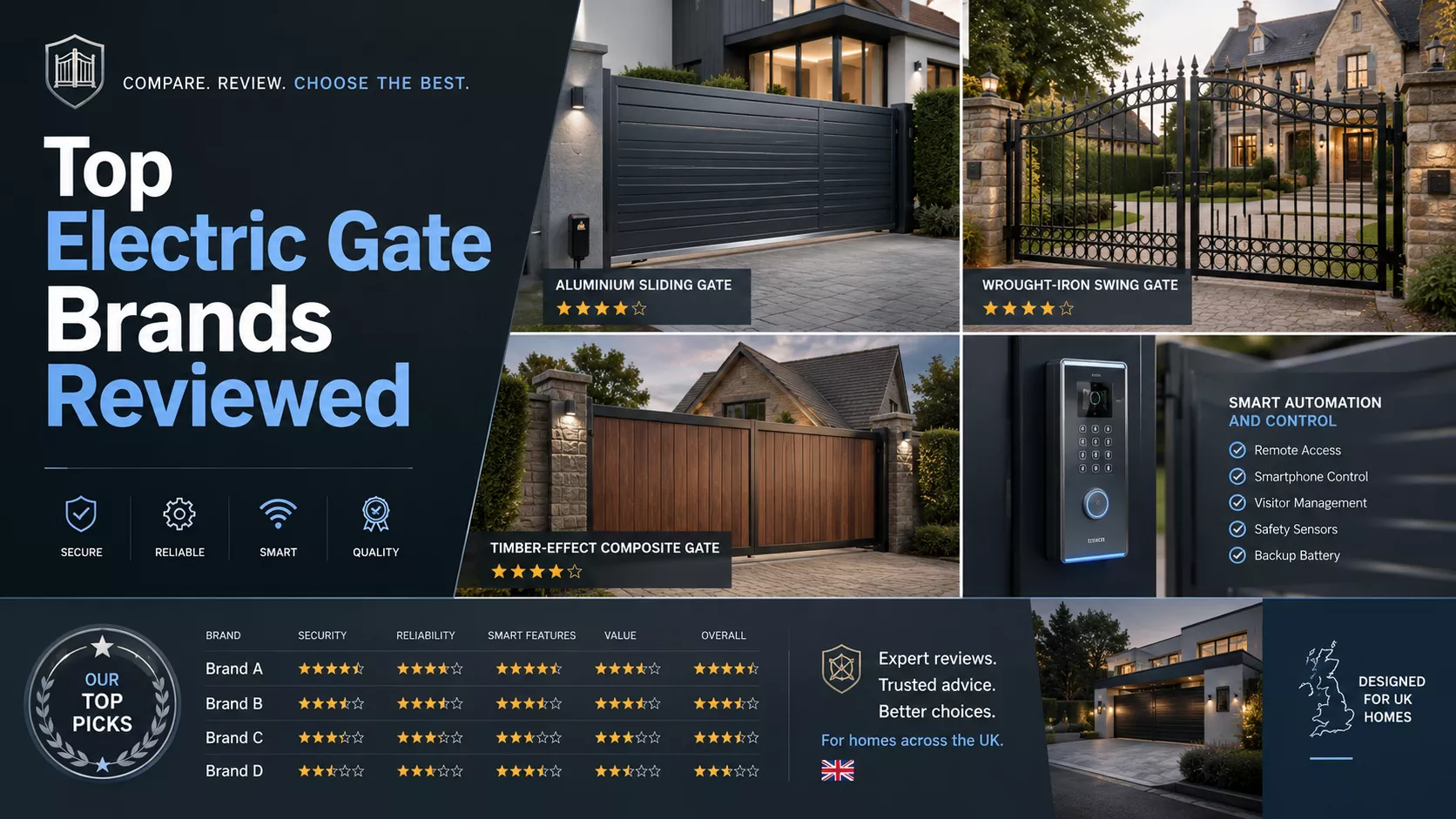
Popular platforms for electric gate integration include Amazon Alexa, Google Home, Apple HomeKit, Samsung SmartThings, and IFTTT. These systems support app control, voice commands, scheduled actions, and custom automation. Dedicated gate controllers, such as Remootio, digiGate, Ditec Smart Connect, and Ismartgate, can connect an existing gate control board to a wider smart home setup.
Smartphone apps allow users to open, close, lock, and monitor their gates from almost anywhere. They can also send real-time alerts, record access activity, and provide temporary virtual keys or codes for visitors, tradespeople, and delivery drivers. Access can then be changed or removed without replacing physical keys or remotes.
Geofencing adds location-based automation. The gate can open when an approved user approaches or close when they leave a defined area. The boundary must be set carefully to avoid false triggers, and location permissions should be protected with suitable privacy settings. GPS, Bluetooth, Wi-Fi, or a combination of these technologies may be used to detect arrival.
Voice activation provides hands-free gate control through Alexa, Google Assistant, or Siri. Because opening a gate affects property security, voice commands should include safeguards such as confirmation prompts, secure PINs, device authentication, or restricted user permissions. These controls reduce the risk of accidental or unauthorised operation.
Connecting the gate with CCTV, video intercoms, motion sensors, and access logs creates a more complete security system. Homeowners can view visitors, speak to them remotely, check recorded footage, and control gate access from one interface. Synchronised logs and camera footage also provide a clearer record of activity around the entrance.
Electric gates can use wired, Wi-Fi, or cellular connectivity. Wired systems usually provide the most stable and secure connection, but installation can be more complex. Wi-Fi is flexible and convenient, although its performance depends on router range, interference, and network security. Cellular systems are useful for remote sites but may involve variable coverage and ongoing data charges.
Cybersecurity and privacy must be considered whenever a gate is connected to the internet. Strong passwords, multi-factor authentication, encrypted data, updated firmware, secure networks, and limited user permissions help protect the system. Access logs, visitor records, video footage, and location data should also be handled in line with applicable privacy requirements, including GDPR where relevant.
Compatibility with existing access control equipment is another key factor. The gate controller must support the required credentials, such as key fobs, RFID cards, PIN codes, biometric readers, or mobile access. Communication methods and software protocols should also match the wider security system to ensure reliable operation.
Smart electric gate integration costs depend on the gate type, motor system, controller, safety devices, intercom, cameras, and required automation features. Basic smart upgrades may cost several hundred pounds, while complete underground motor, security, and access control systems can cost several thousand pounds. Some platforms may also charge annual fees for cloud access, monitoring, storage, or advanced functions.
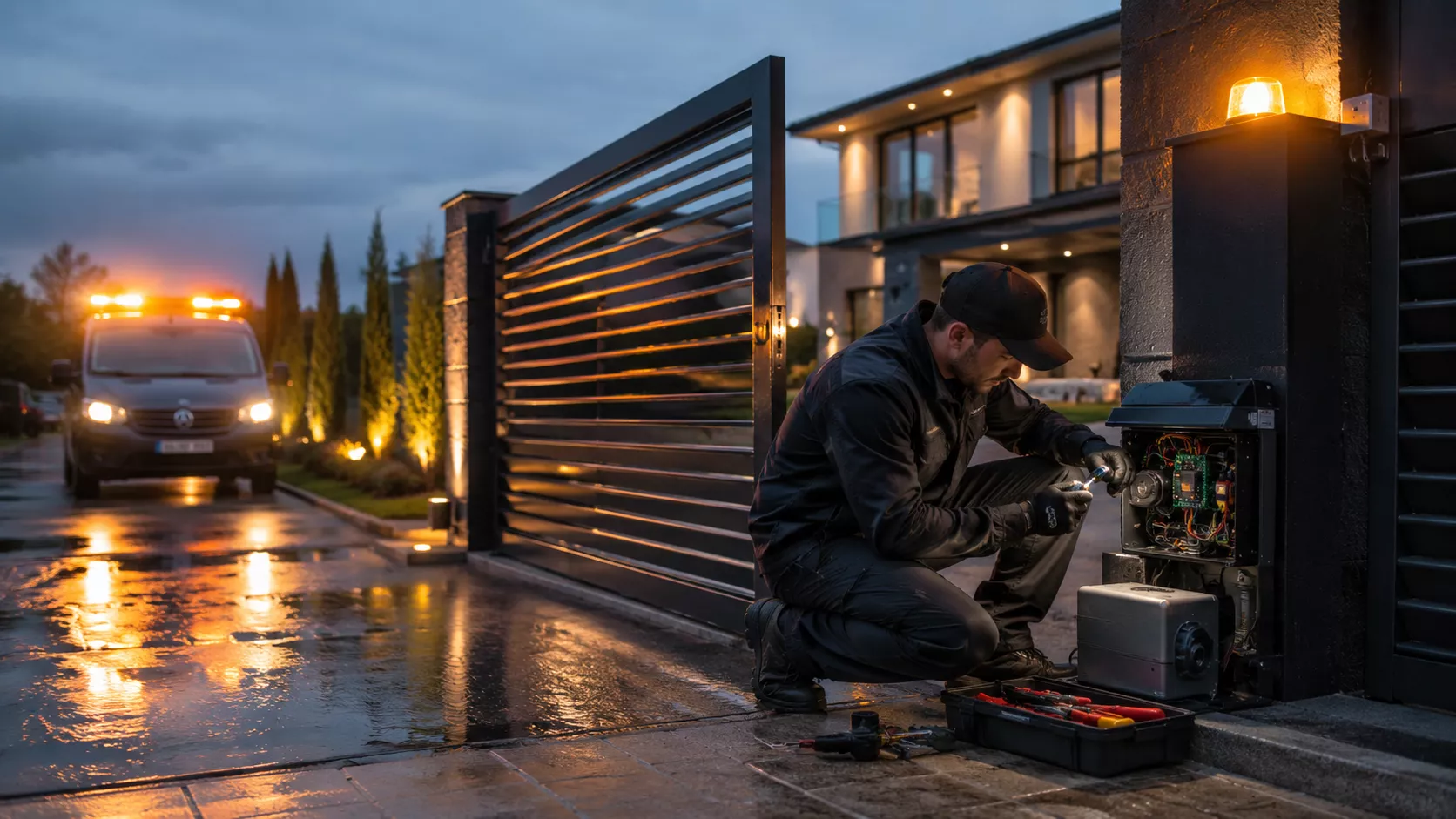
Despite the benefits, smart gates can lose remote functionality during internet, power, or network failures. For this reason, every system should include a manual release, physical key, battery backup, or emergency override. These safeguards maintain access and security until the main connection or power supply is restored.
A successful smart gate installation should balance convenience, security, connectivity, privacy, compatibility, and emergency access. Professional planning and installation help ensure that the gate works reliably with the chosen smart home platform while retaining safe manual operation when technology fails.
Table of Contents
- 1. Why Integrate Electric Gates with Smart Home Systems?
- 2. Popular Smart Home Platforms for Gate Integration
- 3. Smartphone App Control for Electric Gates
- 4. Geofencing & Location-Based Automation
- 5. Voice Activation Features
- 6. Integration with CCTV & Security Systems
- 7. Connectivity Options: Wi-Fi vs Wired vs Cellular
- 8. Data Privacy & Cybersecurity Concerns
- 9. Compatibility with Access Control Systems
- 10. Smart Electric Gate Integration Costs
- 11. Limitations & Emergency Overrides
- 12. Frequently Asked Questions
Why Integrate Electric Gates with Smart Home Systems?
Integrating electric gates with smart home systems offers a blend of enhanced security, convenience, and efficiency. With this setup, homeowners can seamlessly control their gates through smartphones, voice assistants, or automated routines. This flexibility ensures effortless access, whether you’re at home or away, by using voice commands or geofencing to automatically open the gate as you approach.
Security is significantly improved, with features like real-time monitoring via connected cameras and alerts for gate activity. Homeowners can manage who enters the property by providing temporary access codes for visitors, service providers, or deliveries, and easily revoke access when needed. The presence of a smart gate also acts as a deterrent to potential intruders.
The integration of these systems promotes energy efficiency, as automated gates can be programmed to open only when necessary, reducing unnecessary power consumption. Additionally, features such as motion-detected lighting around the gate enhance safety, particularly during nighttime use.
Not only does this integration increase your home’s security, but it also boosts convenience and adds value to your property, offering modern aesthetics and future-ready technology. Overall, integrating your electric gate with a smart home system enhances both your lifestyle and the long-term value of your home.
Popular Smart Home Platforms for Gate Integration
When it comes to integrating electric gates into your smart home, several platforms offer seamless control and flexibility. These major ecosystems allow for voice commands, app-based access, and enhanced security features. Here’s a breakdown of the most popular options:
1. Amazon Alexa
Voice control via devices like Amazon Echo enables easy integration of your electric gate into your broader smart home setup. Alexa supports a wide range of smart home devices, including gates, for convenient access management.
2. Google Assistant / Google Home
Google’s ecosystem offers hands-free control of your gate through voice commands or the Google Home app, allowing for seamless integration with your home automation system.
3. Apple HomeKit
Using Siri on Apple devices, you can control your electric gate with simple voice commands. Apple HomeKit ensures tight integration with other smart devices, creating a unified home automation experience.
4. Samsung SmartThings
SmartThings offers an intuitive interface that connects various smart devices, including gates, providing easy control and integration. It’s an excellent choice for those looking for a user-friendly platform with compatibility across many devices.
5. IFTTT Automation
IFTTT (If This Then That) allows for advanced customisation by automating your gate’s behaviour based on certain triggers, such as location-based actions or time schedules, further enhancing the flexibility of your system.
These platforms, along with specialised smart gate controllers like Ditec Smart Connect or Ismartgate, offer comprehensive solutions for managing your gates, whether you prefer simple voice control or more complex, customised setups.
Smartphone App Control for Electric Gates
Smartphone app control for electric gates offers unparalleled convenience and security by allowing you to operate and monitor your gates remotely from anywhere. These app-based systems work by connecting smart modules to your gate’s control board and linking them to the internet, enabling real-time access management and status updates through a dedicated mobile app.
Key Features of App-Based Systems:
Remote Operation:
Open, close, or lock your gate from anywhere, whether you’re at home or abroad. With devices like Remootio or digiGate, you gain full control over your gate with just a tap on your smartphone.Real-Time Notifications:
Receive instant updates on the status of your gate. Know when it’s opened, closed, or even tampered with, providing an added layer of security and peace of mind.Guest Access Management:
Grant temporary access to guests, service providers, or delivery personnel by sending them virtual keys or temporary access codes. You can easily revoke access when necessary, ensuring only trusted individuals can enter.
Additional Benefits:
Geofencing & Automation:
Set up automatic gate opening when you approach using Bluetooth or GPS-based geofencing, eliminating the need for physical keys or remotes.Smart Home Integration:
Integrate your gate system with smart home platforms like Amazon Alexa or Google Home for voice-controlled access and seamless operation.Activity Monitoring:
Access detailed logs to track gate usage and monitor who has accessed it, helping enhance security and improve overall control.
App control for electric gates provides a streamlined, secure way to manage your property, enhancing both convenience and safety with just your smartphone.
Geofencing & Location-Based Automation
Geofencing and location-based automation offer a seamless way to control your electric gates and other smart home devices based on your physical location. By setting invisible boundaries around your property, geofencing triggers actions, such as automatically opening your gate, when you approach or leave the designated area.
1. Auto-Open When Homeowner Approaches:
Geofencing can be set up to automatically open your electric gate when your smartphone crosses a virtual boundary near your home. This feature adds convenience, as you don’t need to fumble for your keys or a remote control; your gate will open as you approach.
2. Geofence Setup Considerations:
When setting up a geofence, it’s important to choose an appropriate boundary size. The area should be large enough to trigger actions but not so large that it activates unintentionally. Ensure that your geofencing system works well with your location services (via GPS or Bluetooth) and that your home network supports the required connectivity.
3. Safety & Privacy Settings:
While geofencing provides convenience, privacy and security should be considered. Ensure that your location data is securely stored, and always enable privacy settings to prevent tracking or data sharing. It’s also vital to ensure that geofencing is only activated when needed to avoid unintentional triggers that could compromise safety.
Incorporating geofencing technology into your electric gate system enhances both the convenience and security of your home, while also offering a personalised experience based on your arrival or departure.
Voice Activation Features
Voice activation for electric gates allows homeowners to effortlessly control their gates using simple voice commands, adding both convenience and accessibility to gate operation.
Key Features of Voice Activation:
Voice Commands to Open/Close Gates:
With integration into voice assistants like Amazon Alexa, Google Assistant, or Apple Siri, users can open or close their gates simply by speaking. This hands-free operation is especially useful when your hands are full or if you’re approaching the gate from a distance.Safety Confirmations for Voice Commands:
To ensure security, many systems require a confirmation before executing critical actions like opening the gate. This could include a verbal confirmation or an additional security layer such as a PIN or fingerprint verification. These safety features help prevent unauthorised access through accidental or mistaken commands.
How it Works:
Keyword Spotting:
Voice assistants use specific wake words like “Hey Siri” or “Alexa” to activate the voice control feature.Voice Processing:
Once activated, your command is processed either locally on your device or sent to the cloud for further action.Command Execution:
After processing, the system executes the requested task, such as opening or closing your electric gate.
With voice activation, controlling your electric gate becomes faster, more efficient, and safer, all while enhancing the overall convenience of managing your home automation system.
Integration with CCTV & Security Systems
Integrating your electric gate system with CCTV and other security devices creates a unified, streamlined home security platform, enhancing both monitoring and response capabilities.
1. Unified Home Security Platform
By integrating CCTV with your gate system, you can create a single interface to control and monitor all security devices. This centralised approach ensures that all components of your home security system work in harmony, allowing you to manage access, view footage, and receive alerts from one location.
2. Video Intercom & Camera Sync
Linking your gate system with video intercoms and cameras provides real-time visual verification. When a visitor approaches, you can see and speak to them directly via your smartphone, ensuring that only authorised individuals are granted access. This integration enhances visitor management, allowing for remote communication and gate control.
3. Motion Detection & Gate Access Logs
Integrating motion sensors with CCTV ensures that any suspicious activity near your gate is instantly captured on video. Additionally, gate access logs can be synchronised with your CCTV footage, providing a clear record of who accessed your gate and when, which is invaluable for both security and post-incident investigations.
This comprehensive integration offers a more efficient and secure way to manage your home’s perimeter, providing peace of mind with real-time monitoring and quicker response times.
Connectivity Options: Wi-Fi vs Wired vs Cellular
Choosing the right connectivity option for your electric gate system depends on factors such as speed, reliability, mobility, and security. Let’s explore the pros and cons of each to help you make an informed decision.
Wired Connection (e.g., Ethernet)
How it works: Utilises physical cables, such as Ethernet, to establish a stable, direct connection.
Pros:
Speed & Reliability: Provides the fastest and most stable connection, ideal for high-bandwidth applications.
Low Latency: Ensures smooth operation for tasks like streaming and video conferencing.
Security: Offers a high level of security, as data interception requires physical access to the cables.
Cons:
Limited Mobility: Devices must remain physically connected, limiting flexibility and movement.
Inconvenience: Can result in cable clutter and require more complex installation.
Wi-Fi
How it works: Relies on wireless radio waves to transmit data between devices and a router or access point.
Pros:
Convenience: No physical cables are needed, allowing for easy installation and flexibility in device placement.
Portability: Multiple devices can connect, providing wireless access throughout your property.
Cons:
Variable Speed & Reliability: Performance can be affected by signal strength, interference, and distance from the router.
Security Risks: Wireless data is more susceptible to interception, requiring additional security measures.
Cellular Connection
How it works: Utilises mobile networks (4G, 5G) to provide data over wide geographic areas.
Pros:
Maximum Mobility: Ideal for remote locations where wired or Wi-Fi connectivity is unavailable, ensuring connectivity on the go.
High Capacity: 5G networks offer fast data speeds, suitable for video streaming and real-time monitoring.
Cons:
Variable Speeds: Speeds fluctuate based on coverage, congestion, and location.
Cost: Ongoing data usage may incur additional costs, depending on your mobile plan.
Network Reliability & Security Considerations
Each connectivity option comes with its own set of reliability and security challenges. Wired connections are the most secure and reliable but offer limited mobility. Wi-Fi provides flexibility and ease of installation but can be prone to speed fluctuations and security risks. Cellular connectivity offers unparalleled mobility, but data speeds and costs can vary. Consider your priorities and location to choose the best solution for your electric gate system.
Data Privacy & Cybersecurity Concerns
Ensuring robust data privacy and cybersecurity measures is crucial when integrating smart technologies like electric gates into your home system. Here are some key aspects to consider:
Secure Login Protocols:
Implement multi-factor authentication (MFA) to prevent unauthorized access.
Use strong passwords and ensure password management best practices are followed.
Regularly update security protocols to combat evolving threats.
GDPR Compliance for Data Collection:
Ensure your system complies with GDPR, especially if personal data is collected (e.g., visitor logs, access times).
Only collect the data necessary for gate functionality and provide clear consent forms for data usage.
Enable users to request access or deletion of their personal data, as mandated by GDPR.
Protecting Homeowner Privacy:
Encrypt sensitive data, such as access logs and video footage, to prevent data breaches.
Regularly audit your security measures to identify vulnerabilities and ensure secure data storage.
Limit access to personal data to authorised personnel only, reducing the risk of insider threats.
Key Risks to Address:
Data Breaches: Inadequate security measures can lead to unauthorized access to sensitive data.
Phishing & Malware: Cybercriminals may attempt to deceive users into disclosing login information or infecting devices with malicious software.
Unsecured Networks: Using public Wi-Fi or weakly secured networks can expose data to potential interception.
By addressing these concerns, you can better protect both the homeowner’s privacy and the security of the connected systems.
Compatibility with Access Control Systems
When integrating your electric gate system with access control technologies, compatibility is essential for seamless operation. Below are key factors to ensure smooth integration:
1. Credential Types:
RFID Cards & Key Fobs: Ensure your gate system supports the same credential types as your access control system (e.g., RFID cards, key fobs).
PIN Codes & Biometric Scanners: Check if the system can accommodate PIN entry or biometric verification, like fingerprints or facial recognition.
Mobile Credentials: Many systems now support mobile credentials via apps or Bluetooth for a more convenient, keyless experience.
2. Connectivity:
Wired vs Wireless: Confirm whether the devices are wired or wireless and if they match your network setup.
Communication Protocols: Ensure that the communication protocols (e.g., TCP/IP, Wi-Fi, Bluetooth) between the gate and access control system are compatible.
3. Unified Access Management:
Smart Hubs: Using smart hubs like Apple HomeKit, Google Home, or Amazon Alexa can unify your access control system, allowing you to manage gate entry alongside other smart devices through a single platform.
Software Integration: Look for systems that integrate easily with your existing security software, using APIs or SDKs for customisation.
By considering these elements, you can ensure a seamless integration of your electric gates with access control systems, enhancing security and convenience.
Smart Electric Gate Integration Costs
Integrating smart technology with electric gates can enhance convenience and security, but it comes with associated costs. Here’s a breakdown of typical pricing:
1. Typical Upgrade Pricing:
Sliding Gates: £500 – £1,500 for basic automation kits, with additional costs for tracks and motorised components.
Swing Gates:
Articulated Arm Motors: £500 – £2,500
Ram Motors: £1,000 – £2,000
Underground Motors (more discreet): £1,000 – £5,000
Additional Components: Safety photocells, intercom systems, and remote fobs typically add £100 – £500 per component.
2. Ongoing Subscription Fees (if applicable):
Some systems, especially those integrated with smart home platforms, may require an ongoing subscription for cloud services or advanced features (e.g., remote monitoring, software updates).
Estimated Costs: £50 – £150 annually for service subscriptions, depending on the features provided.
3. ROI from Automation:
Increased Property Value: A well-integrated electric gate can enhance the aesthetic appeal and security of your home, potentially increasing its market value.
Convenience: Automation saves time and effort, especially with remote or voice-controlled access.
Security: Integration with security systems (CCTV, alarms) offers a higher level of home protection, reducing potential risks.
By carefully selecting your components and understanding the long-term benefits, you can make an informed decision on the investment for your home’s smart electric gate system.
Limitations & Emergency Overrides
Smart electric gates offer advanced convenience, but like all automated systems, they can experience limitations, especially during unexpected failures. It’s essential to understand what happens when connectivity issues arise and how to operate your gate manually in emergencies.
What Happens During Connectivity Failure?
When there is a failure in the primary connectivity system (e.g., Wi-Fi or cellular signal loss), the gate may become unresponsive or fail to open/close remotely. This can be frustrating, particularly if you rely on smart access controls for everyday use.
Backup Manual Operation Systems:
Most electric gates come with manual override options to ensure you can still access your property in case of system failure. These may include:
Manual Locking/Unlocking: A physical key or manual release mechanism, such as a lever or a hidden switch, that allows you to open or close the gate without relying on the electronic system.
Battery Backup: Many systems include a battery backup to keep the gate functioning during power outages, ensuring access even when the main power supply is disrupted.
Emergency Release: In the case of more complex systems, such as motorised gates, an emergency release system can allow you to disconnect the motor and operate the gate manually.
These backup systems ensure you can still secure your property during emergencies or when the system fails, though it’s always best to address the root cause of the failure for long-term reliability.
Frequently Asked Questions
Open the Alexa app, search for the “iSmartgate skill,” enable it, and follow the prompts to link your iSmartgate account.
Go to the iSmartgate app, open settings, select “Users,” and tap “Add User” to enter the new user’s details.
Yes, the iSmartgate can be powered by a solar panel or connected directly to the gate’s power source.
Open the Alexa app, go to “Devices,” select your iSmartgate device, and choose “Forget” or disable the iSmartgate skill.
Yes, you can connect the iSmartgate to your router via Ethernet for a more stable and reliable connection.