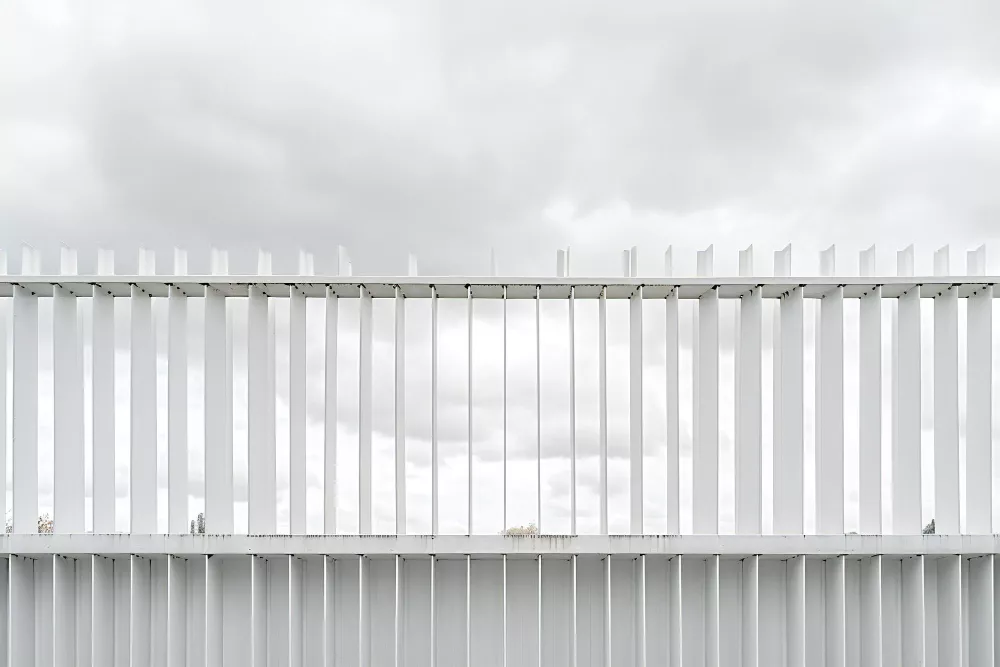
Metal fencing refers to strong, long-lasting barriers constructed from materials such as steel, aluminium and galvanised iron designed to create secure enclosures for a wide range of applications. In the UK, metal fencing also described as a metal fence or metal fences is widely used for livestock containment, property security and wildlife protection due to its superior resilience compared to wooden alternatives. Its structural strength allows it to withstand impact and pressure, while its resistance to rot, pests and harsh weather conditions makes it particularly suitable for long-term outdoor use. Because of this durability and low deterioration rate, metal fencing UK installations are recognised as a cost-effective solution for long-term fencing needs, offering dependable protection, longevity and performance across agricultural, residential and commercial settings.
Metal fencing utilises a variety of materials selected for strength, durability, security and environmental resistance, with steel, galvanised steel, stainless steel, aluminium, galvanised iron and wrought iron forming the primary structural base of most metal fencing UK systems. Steel remains the most widely used material due to its superior strength, high security performance, affordability and ready availability and is supplied in forms such as steel mesh, steel palisade, galvanised steel wire and tubular steel, while aluminium offers a lightweight, rust-resistant and low-maintenance alternative suited to humid and coastal environments. Wrought iron provides traditional aesthetic appeal with strong structural integrity and specialist options such as Corten steel, copper and corrugated metal serve premium, decorative or high-privacy applications. Material selection for any metal fence or metal fences project is typically guided by security level, with robust, vandal-proof and hardy materials specified for higher-risk sites, including steel palisade and electric fencing for maximum protection. Durability is further enhanced through galvanisation, zinc or Galfan (zinc-alloy) coatings, powder coating, PVC coating and other synthetic coatings that inhibit corrosion and extend lifespan.
10 Types of Metal Fencing
1. Wrought Iron Fences
Wrought iron fences are strong boundary structures made from iron that has been heated and shaped by hand or machine. The word “wrought” means “worked.” This sets it apart from cast iron, which is poured into moulds. Wrought iron is known for its strength and flexibility. It can be shaped into detailed designs while hot. This gives the fence both security and style. It is also widely associated with ornamental metalwork, where function and decoration are combined in one structure. Common features include decorative railings, scrollwork, and finials. These design elements often reflect traditional blacksmithing methods and bespoke fabrication. These details are often used on period homes, garden boundaries, and entrance gates. They are also commonly seen in pedestrian gates and driveway gates, where visual appeal and perimeter security are equally important.
This material offers an elegant look, long life, and good security. It has been used in building work since before the Victorian era in homes and commercial sites. Wrought iron is heavy, so it helps deter unwanted visitors and vehicles. It is also quite low maintenance. When treated well, it resists rust and corrosion. Modern protective treatments such as powder coating and galvanising can further improve weather resistance and reduce maintenance needs. It also supports sustainability goals because it is recyclable. Many owners also choose it for heritage properties and listed buildings. This makes it especially valuable in architectural heritage settings, where historical character must be preserved. A protective coating can also help extend service life. Its combination of durability, appearance, and custom design can also contribute positively to curb appeal and property value.
2. Steel Picket Fences
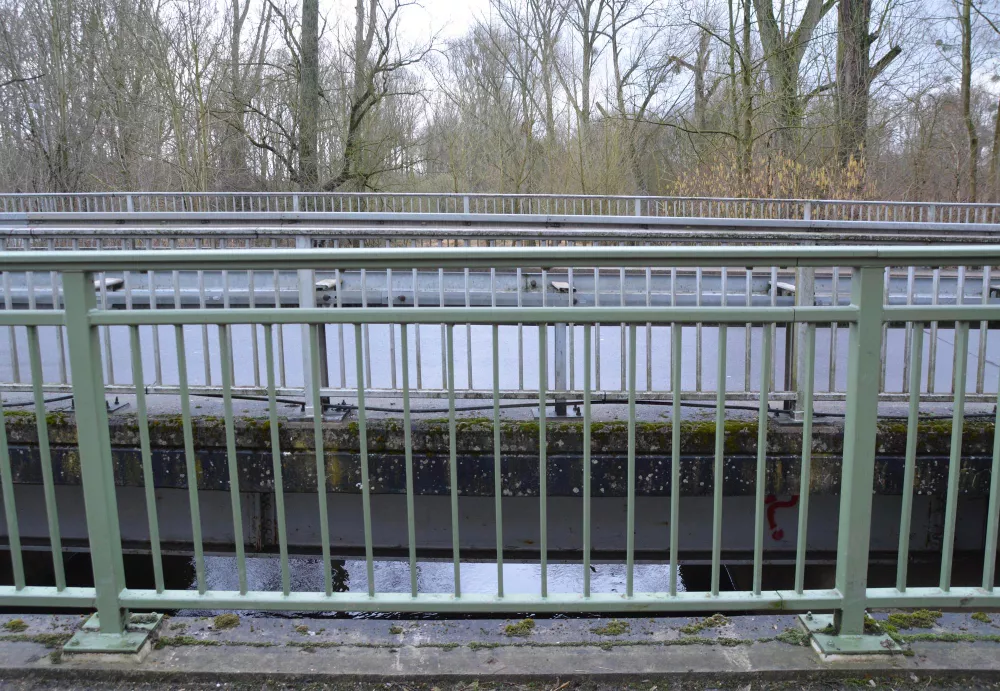
Steel picket fences are durable metal fence panels that provide a long-lasting alternative to standard fencing materials and are widely used to define and enhance outdoor spaces. They are often selected for boundary definition in both private gardens and residential frontage areas, where structure and appearance matter equally. These panels are resistant to rot, rust and moisture, making them well suited to adding a neat, decorative finish to gardens, flower beds and pathways. Many options are made from galvanised steel or powder-coated steel, which helps improve corrosion resistance and supports a low-maintenance finish over time. They are generally straightforward to install and are available in a range of shapes, sizes and designs to suit different outdoor settings, including decorative styles, sleek black panels and more open designs, often incorporating contemporary, geometric and modern aesthetics. Their modular panels can also make layout planning easier in landscape design, especially where consistent spacing and clean lines are desired. In addition to appearance, some designs offer light security edging and a UV-resistant finish, helping preserve kerb appeal in exposed outdoor environments.
3. Aluminium Picket Fences
Aluminium picket fences, such as the Picket Fence 1000 series, combine the traditional charm of a classic picket fence with a modern architectural design, making them well suited to contemporary spaces and active lifestyles. This makes them a strong architectural fencing choice for residential frontage, patios, and contemporary landscaping schemes where visual consistency is important. These fencing systems are manufactured from marine-grade, premium aluminium posts and 18mm-thick fence slats, available in various heights, ensuring both durability and visual appeal. Because aluminium is a lightweight fencing material with strong corrosion resistance, it is especially effective in coastal environments and other exposed outdoor settings. Each aluminium component is typically finished in a sleek, powder-coated black or grey matt finish, although many systems also offer the option to customise the aluminium in any RAL colour, allowing the design to be tailored to individual preferences. This custom fabrication potential supports a low-maintenance finish while also giving property owners greater freedom to match surrounding architecture and exterior palettes. Highly versatile systems, such as the Marano® Elements 6m-wide fencing range, enable ultra-modern and distinctive styles through combinations of double-sided boards (for example golden oak wood-effect and anthracite grey), acrylic panels (frosted or clear) or aluminium strips. These combinations can also function as a decorative boundary solution and, in some layouts, provide light privacy screening without losing the clean appearance of aluminium fencing.
4. Corrugated Metal Fences
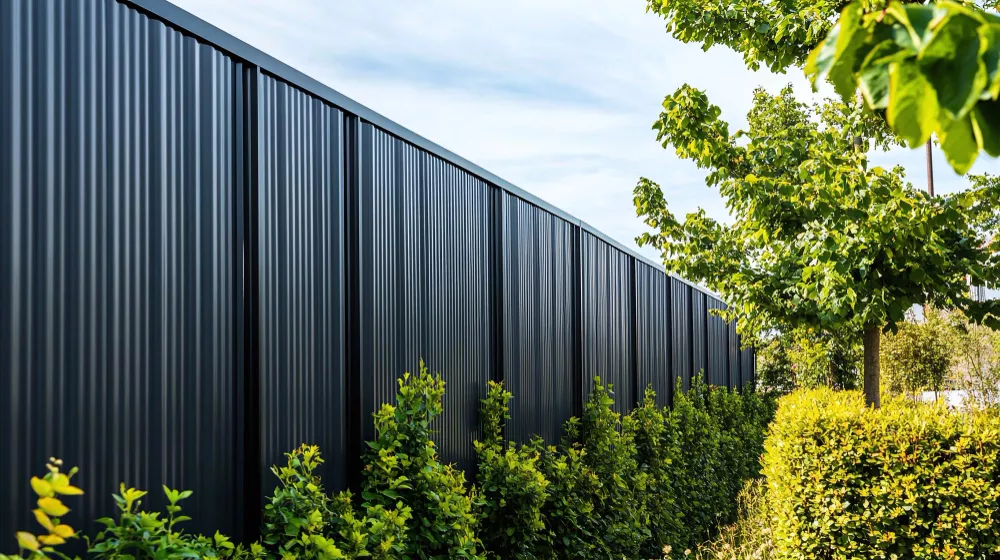
Corrugated metal fences are a durable and robust alternative to standard fencing, widely used to provide privacy and security for both residential and commercial properties, as well as serving as decorative features within gardens. They are often chosen as low-maintenance fencing solutions where privacy screening, boundary definition, and perimeter security are important.
Corrugated Metal Fences are typically manufactured from galvanised steel panels, making them extremely strong and highly resistant to rot, rust and moisture. This gives them strong weather resistance and impact resistance, especially in exposed outdoor settings and around commercial premises. To improve durability and visual appeal, some panels are finished with a high-quality PVC plastisol coating, often available in a range of colours. Some systems may also feature a powder-coated finish to support colour retention and long-term exterior performance.
Corrugated Metal fence panels are available in a variety of shapes, sizes and designs to suit different outdoor environments. Options include sleek black panels for a contemporary appearance, decorative steel fencing and more open styles designed to enhance garden aesthetics. This makes corrugated panels suitable for industrial-style fencing as well as modern garden design, depending on the chosen finish and layout. Panel components also vary in dimension, with examples including strips measuring 40mm in height by 200mm in length. Such variation allows greater flexibility in creating decorative boundary systems with different levels of openness and visual texture.
5. Chain-Link Fences
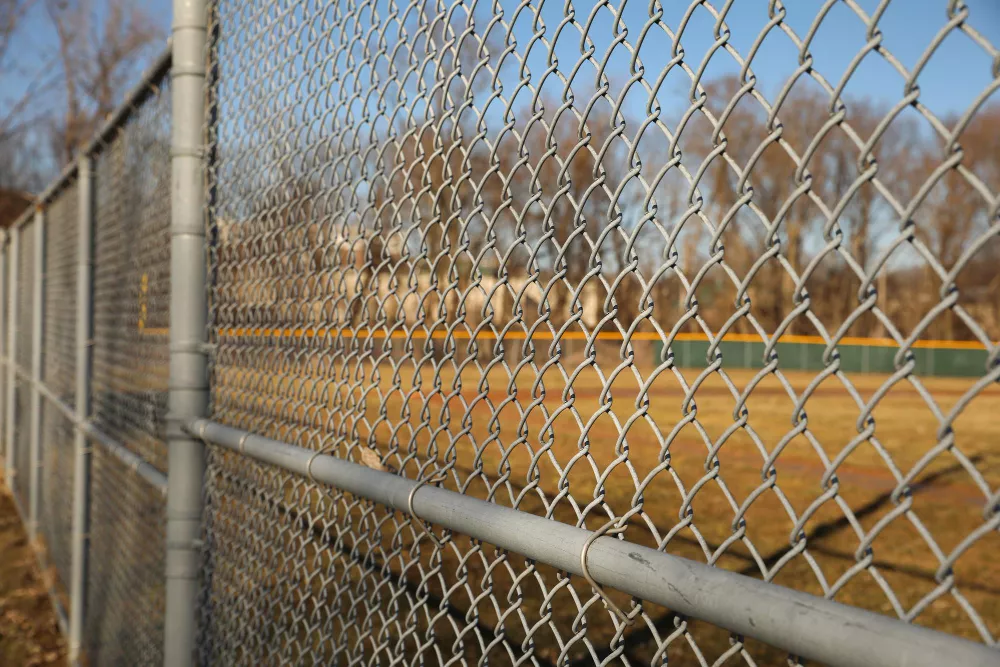
Chain-link fencing is a popular and long-established choice for boundary demarcation and security applications across residential and commercial properties. It is widely used as mesh fencing for boundary marking and perimeter security where a practical, visible enclosure is required. This durable type of fencing is typically manufactured from galvanised and/or PVC-coated steel and is often produced to recognised BS EN standards. These materials support corrosion resistance and help create a low-maintenance fencing solution for outdoor environments. The interwoven chain-link design enhances structural strength and with available heights of up to 8ft, it is highly effective for security purposes. Its open mesh format can also work well with access control systems at gated entry points and secured compounds.
The versatility of chain-link fencing makes it suitable for a wide range of applications, including:
- Residential and commercial property use.
- Perimeter and boundary demarcation.
- Enclosing gardens and tennis courts.
- Securing schools and commercial premises.
- Sports enclosures and recreational areas.
- Commercial security fencing around industrial sites and service yards.
6. Steel Palisade Fencing
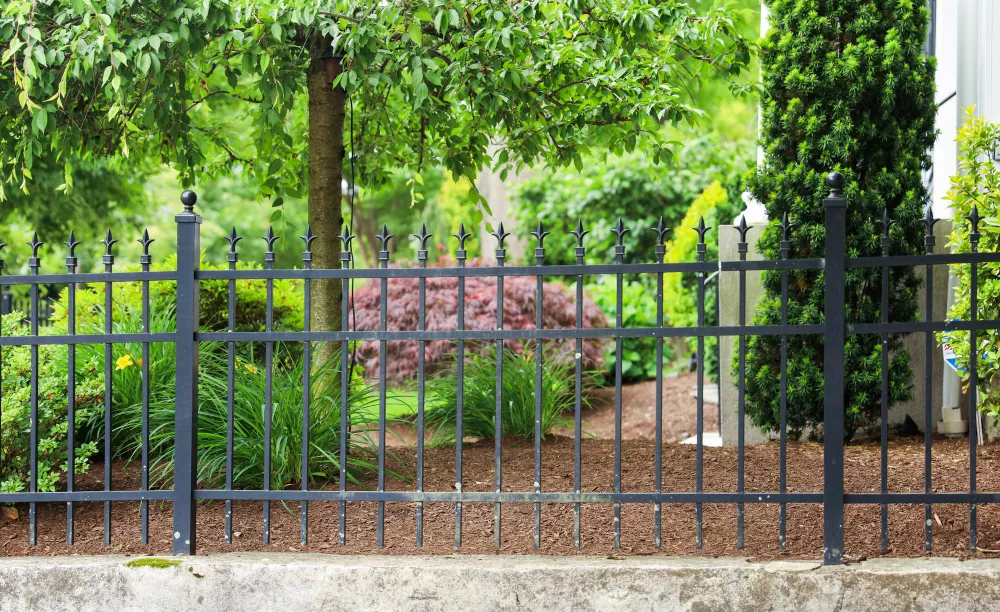
Steel palisade fencing is a secure, long-lasting and traditional form of perimeter security fencing, providing reliable protection and boundary demarcation for commercial and industrial sites that require a high level of security. It is widely regarded as a high-security fencing solution for perimeter protection in restricted areas and other sensitive locations. Using strong steel pales and robust construction, this system is designed to deter unauthorised access, intrusion and theft through its durable structure and imposing appearance. Its anti-climb design and visible strength make it especially effective within industrial security environments and broader site security infrastructure.
Engineered to withstand demanding environments and harsh conditions, steel palisade fencing offers excellent strength and longevity. To improve durability and maintain a professional finish, it is available in galvanised or polyester powder-coated finishes, providing essential corrosion resistance over time. Galvanised steel and a powder-coated finish help extend service life while preserving a consistent appearance in exposed outdoor settings. While steel remains the most common and robust solution, certain industrial sectors may use non-conductive, metal-free alternatives such as Glass Reinforced Plastic (GRP) palisade fencing, particularly in environments where electrical crossover risks are a concern. These alternatives can also support access control zones where specialist safety requirements influence fencing choice.
7. Aluminium/Steel Slat Fences
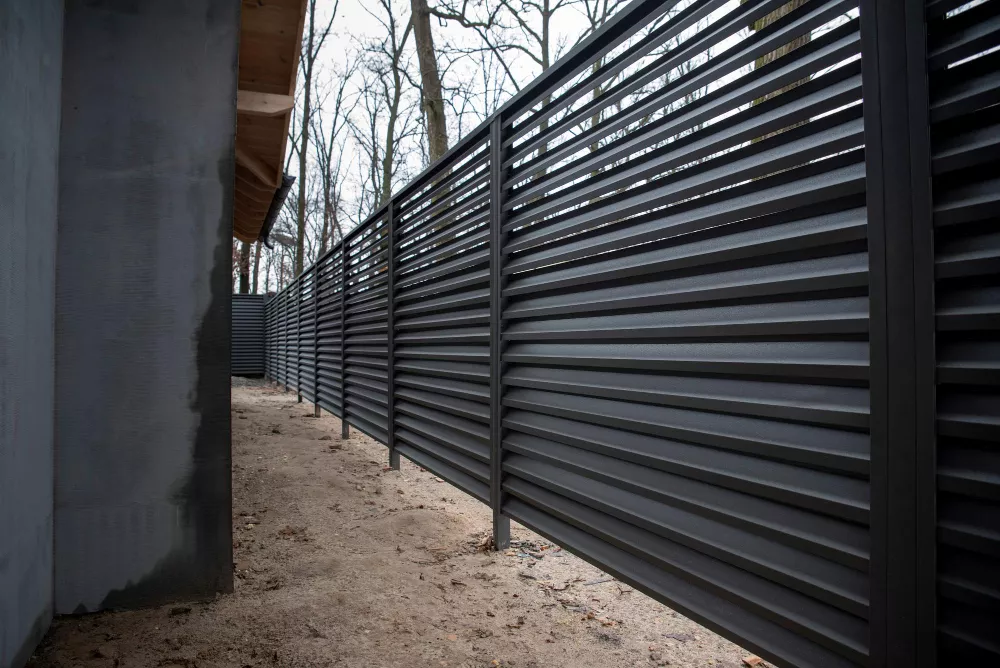
Aluminium and steel slat fences are modern, contemporary and long-lasting fencing solutions known for their strength, durability and design flexibility. They are widely used as architectural fencing and decorative boundary solutions in homes that value clean lines, modern finishes, and residential privacy. These systems often incorporate high-quality aluminium fence posts combined with premium materials such as composite slats (for example, the Porto slatted screen system), which are engineered for durability and require no painting or ongoing maintenance. This makes them a low-maintenance fencing option, and in many cases powder-coated aluminium components further improve exterior durability and finish retention.
Such fencing systems offer a range of styles, including the VOGEL collection, which features an openwork aluminium design with angled horizontal slats to create a contemporary, minimalist appearance that maintains privacy while allowing natural light and improved outward visibility. This type of horizontal slat fencing supports privacy screening through a light-filtering design that balances enclosure with openness. Highly versatile board systems, such as Marano® Elements, allow for ultra-modern and distinctive designs through the use of double-sided golden oak wood-effect and anthracite grey aluminium boards, with options to incorporate acrylic panels or aluminium strips, enabling the fencing to blend seamlessly into different garden settings. These adaptable combinations are well suited to contemporary landscaping and can be configured as custom fence panels for a more tailored exterior finish.
8. Metal Privacy Screen Fences
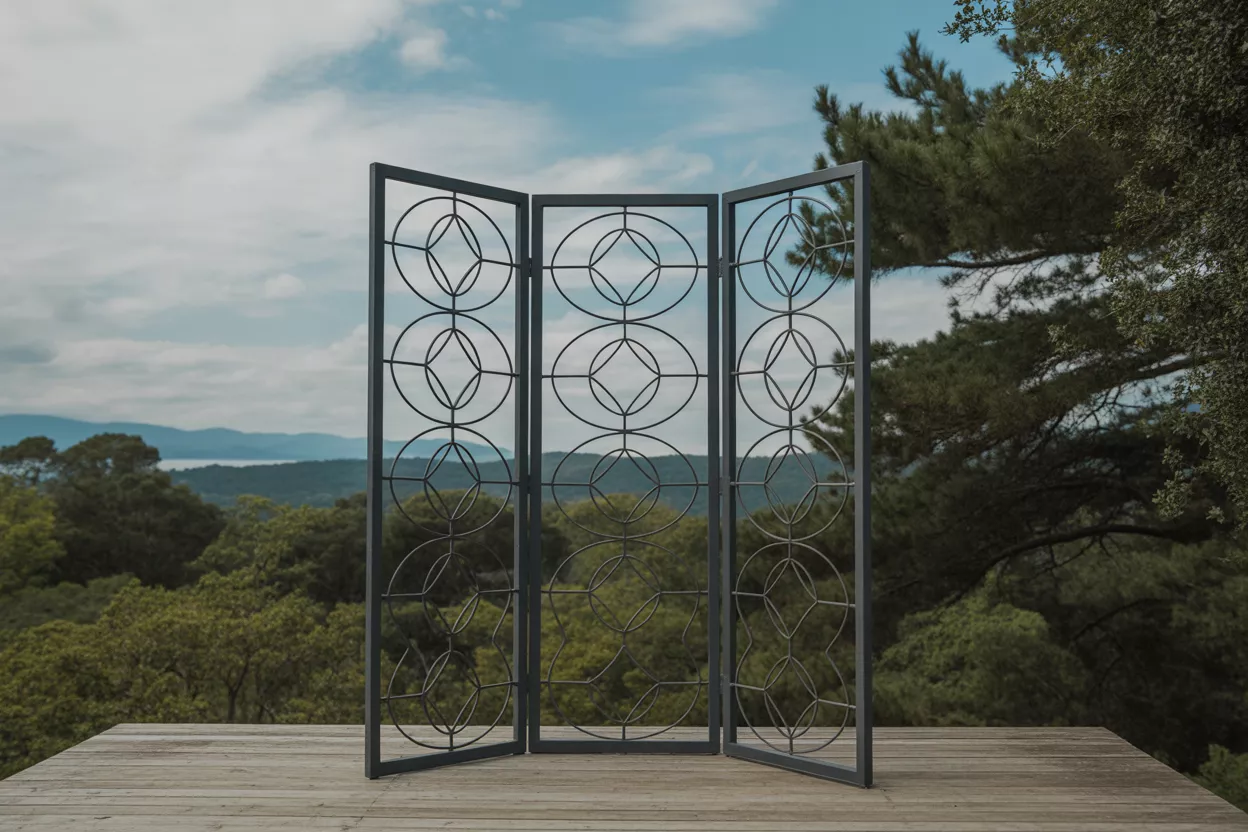
Metal privacy screen fences, also known as metal garden screens, are typically manufactured from premium-grade, fully recyclable materials such as laser-cut aluminium. These decorative metal screens are widely used for outdoor privacy screening in both residential gardens and contemporary landscape design. These high-quality panels are selected for their exceptional durability, weather resistance, minimal maintenance requirements and enduring style, while also offering a straightforward installation process for customers. Many systems also use powder-coated aluminium, helping create a low-maintenance screening solution with long-term exterior performance.
These versatile metal screening systems are designed to meet both practical and decorative needs within a garden or outdoor space. They can provide essential privacy for patios and gardens, create decorative partitions and architectural interest, introduce artistic features into the landscape and act as sturdy screens or supports for climbing plants to grow against. They are also effective as architectural garden dividers and feature panels, helping with garden zoning while preserving a cohesive visual style. In planted settings, their structure can also enhance climbing plant support, combining privacy with greenery and vertical design interest.
9. Wire Fences
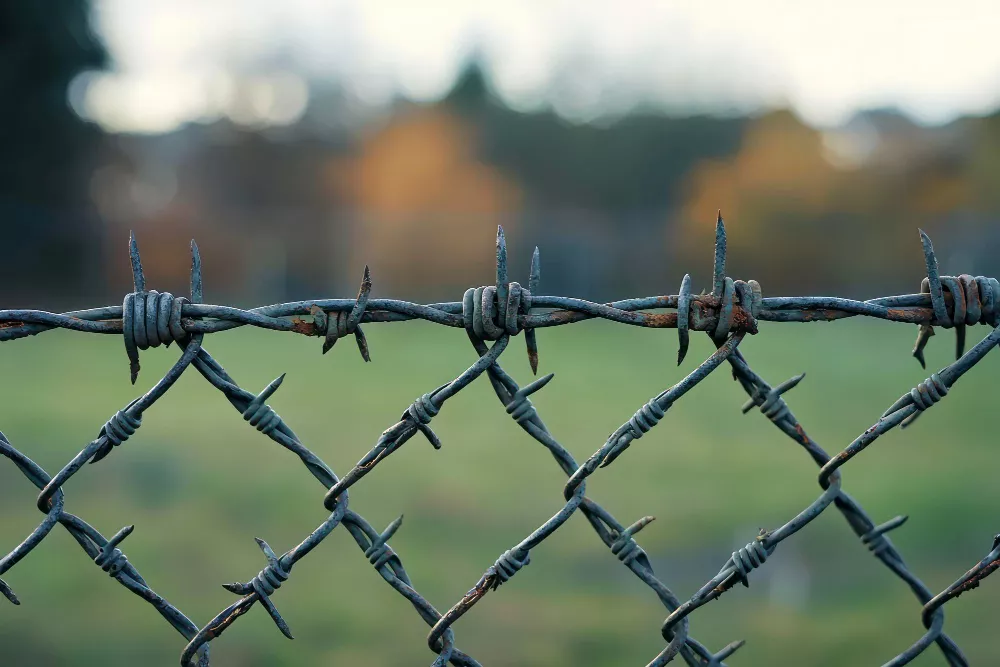
Wire fences are secure, durable and robust fencing solutions, valued for their versatility and adaptability across both residential and commercial applications. They are also widely used as low-maintenance fencing systems where practical performance and perimeter security are priorities. It is Commonly associated with security, wire fencing provides an effective method of protecting property, defining boundaries, dividing areas, safeguarding plants and containing animals, serving a primarily functional rather than purely decorative purpose. This makes wire mesh fencing especially suitable for boundary demarcation, garden protection, and animal enclosures in a wide range of outdoor environments. Wire fencing is available in a variety of materials and formats, including specialist wire mesh and rolls designed to meet different requirements. Common materials include galvanised wire and PVC-coated wire, both of which support durability and weather resistance in long-term outdoor use. Typical types include:
- Chain-link security fencing
- Welded wire mesh rolls
- Wire panels
- Chicken wire
- Agricultural fencing
- Utility fencing
10. Welded Mesh Panels
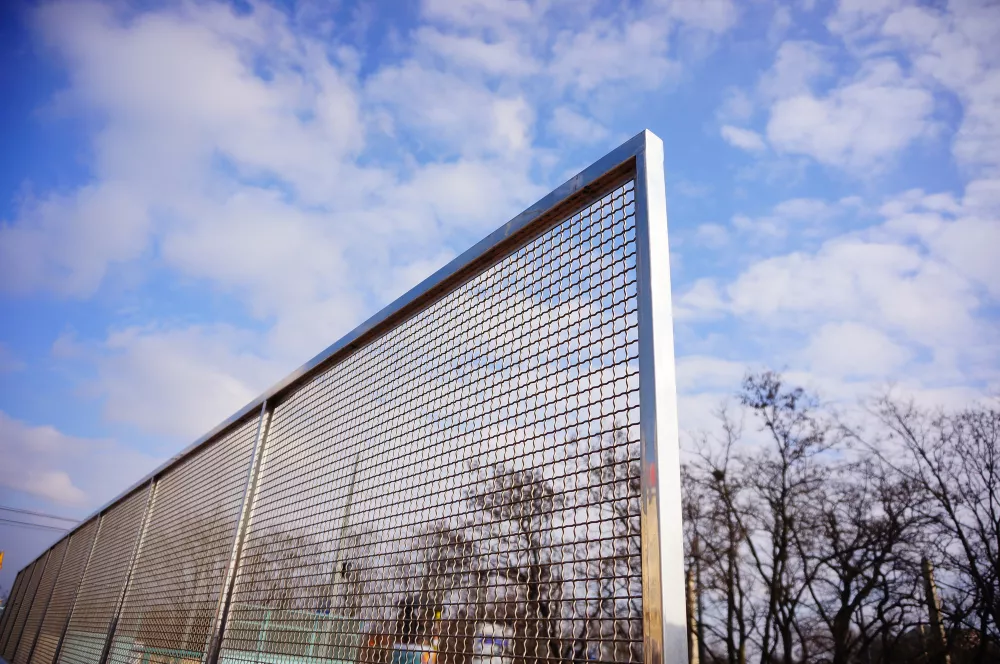
Welded mesh panels are durable products manufactured by electronically welding bright drawn mild steel wires at each intersection, often produced in accordance with standards such as BS 1052 and commonly supplied as fencing rolls or flat sheets with flush edges. This rigid mesh construction gives wire mesh panels consistent strength and dimensional stability across a wide range of applications.
The welded mesh range extends from lightweight welded wire mesh rolls to heavy-duty industrial wire mesh panels. These products are available in a variety of materials and finishes, including self-colour, pre-galvanised steel, galvanised stainless steel (grades 304 and 316) and PVC-coated welded mesh. These options help improve corrosion resistance, and each protective coating can be selected according to the intended environment, required service life, and visual finish. Stainless steel mesh is especially relevant where hygiene, moisture resistance, or exposure to harsher conditions is a concern.
Welded wire mesh is engineered to provide strength and durability, enabling it to perform reliably in demanding environments, making it well suited to metal fencing applications as well as a range of industrial uses. It is commonly used in industrial fencing, security enclosures, machine guards, and partition panels where strength, visibility, and airflow are all important. Aperture size also plays an important role in determining suitability for containment, screening, and safety-related uses.
What are metal fence panels?
Metal fence panels are prefabricated sections used to form a strong boundary. They are usually made from steel, aluminium, iron or mild steel. Mild steel is common in perimeter fencing because it gives a good mix of strength and cost control. Steel panels are strong and hard to bend, so they suit places that need a tougher fence line. Aluminium panels are lighter than steel and resist rust well, so they are easy to maintain. Wrought iron panels have a more classic look and often use shaped bars for a traditional finish.
Metal fence panels are used with protective finishes to improve service life outdoors. Galvanised steel has a zinc coating that helps stop rust. Powder-coated panels have an added surface layer that helps protect the metal and gives a neat finish. These coatings help the panels resist weather, wear and corrosion. Some panels use solid or shaped sheets for privacy and a clean modern look. Others use open railings or decorative cut patterns for style and boundary definition. Metal fence panels are a low-maintenance and long-lasting choice. They do not rot like wood, and the metal type affects strength, finish, upkeep and lifespan.
Materials
Metal fence panels are made from steel, aluminium, or iron. Mild steel is common too. Steel panels are strong. They are hard to bend. So they suit perimeter fencing and other places that need strength. Galvanised steel has a zinc coat. This coat helps stop rust and boosts corrosion resistance for outdoor use . Powder-coated panels have a protective coat . It helps guard the surface and gives a neat look. Aluminium panels are light. They resist rust well. So they are often low maintenance . Wrought iron panels have a classic style. They often use shaped bars. This gives them an ornamental look. Some decorative panels use cut metal sheets to make patterns. Laser-cut panels are one example. The metal type affects strength, finish, upkeep, and service life.
Types
Metal fencing panels come in many forms. They suit different uses and styles. Metal picket fence panels use vertical pales on horizontal rails. They suit front gardens, paths, and home borders. Tubular steel panels are also common. They suit homes and light commercial sites. Decorative metal fence panels may have scrolls, finials, arches, or simple patterns. This gives them a more ornate look. Welded mesh panels suit security fencing. They are strong. They give clear sightlines. They also help with perimeter control. Some mesh panels use an anti-climb design. Solid metal panels give more privacy. They reduce views through the fence line. Palisade and other security panels suit commercial or high-risk sites. They help where access control is important. Panel tops may be flat, arched, or spear-pointed. Suppliers also offer many heights, widths, and section sizes. This helps with design choice and site fit. Many panels have a powder-coated finish for weather resistance. Panels are fixed to fence posts with fixings. Matching gates are often available. These panels are often used at schools, car parks, and business sites.
Durability
Metal fence life depends on the base metal, the section size, and the finish. Base metal quality also matters. Galvanised fence panels resist corrosion. The zinc layer helps shield steel from rain and moisture. Hot-dip galvanising adds a strong protective coat. Powder coating adds more protection. It helps guard against water, wear, and surface damage. Steel fence panels resist bending. They hold their shape well in wind when they are fitted the right way. This gives them good structural strength. Wrought iron and solid iron panels can last for many years. Their sections are heavy and rigid. Aluminium panels resist rust. They suit outdoor exposure and need low maintenance . In UK weather, strong coatings help panels face rain, wind, heat, cold, and UV rays . Well-made metal fence panels can last for decades. Correct installation also helps them last longer. Many systems need less upkeep than timber fences.
Installation
Metal fence panel installation means fixing each panel between posts with brackets, bolts, or other fixings. Post brackets, base plates, and anchor bolts are also common parts. Accurate setting out matters. Straight lines and level rails keep the fence stable and neat. A site survey and level checks help place each post in the right spot. Concrete-set posts are common for garden metal fence panels and many security systems. They give firm support in the ground. Steel panels, aluminium panels, and wrought iron sections all need the right spacing. Line posts, end posts, and corner posts must also suit the fence run. Secure fixings help the fence resist wind and daily movement. Pre-made panels speed up fitting because the main section arrives ready to install. Many UK suppliers offer measuring, supply, and fitting services. This helps match panel size, post position, ground levels , and site layout. It also helps when matching gates to the fence line.
Uses
Metal fence panels are used in homes, gardens, commercial areas, and industrial sites. In homes, they mark property lines, protect garden spaces, and improve kerb appeal. Decorative panels add style to front boundaries and paths. Privacy panels help block views where screening is needed. Mesh and security panels help stop unwanted entry while still allowing visibility. Commercial fence panels are often used around yards, schools, public buildings, work sites, car parks, playgrounds, and retail sites . Metal fence panels also help keep pets or people inside a defined area. Many systems come with matching gates, posts, and rails to create a full boundary fencing and perimeter security system. This also supports access control in busy outdoor spaces. Their strength, low upkeep, weather resistance, and wide choice of styles keep them popular across the UK. Powder-coated panels are also common because they stay neat and last well outdoors.
How is metal fencing installed?
Metal fence installation follows a set sequence that secures strength, line control and long service life. The process starts with a site survey and setting out, moves through post installation and panel fixing, then ends with final checks, surface protection and aftercare. Ground type, slope, wind exposure, gate weight and fence design all affect the method. Decorative metal fencing, modern metal fencing, mesh panels, railings, palisade systems and metal fencing and gates all follow the same core path, though fixing details and foundation depth vary by system.
Site planning and layout preparation
Site planning starts with a full survey of the fence run. Installers confirm the boundary, measure the total length, check levels and note slopes, corners, returns and gate points. Underground service checks come before any excavation. Service strikes create safety risks and force late layout changes that disrupt panel spacing. Post centres are then marked to match the chosen bay or panel width. Accurate set-out prevents cumulative spacing errors that leave the last panel out of line or short of space.
Soil condition controls foundation size. Stable clay or compacted subsoil often accepts standard embedment, while soft, sandy or exposed ground needs deeper holes or stronger support. Domestic metal fencing often uses post depths around 450 to 600 mm for lighter systems, while many standard steel fence runs sit around 600 mm. Taller or higher-risk security fencing often moves towards 900 mm or more. Sloping sites need either stepped panels or raked sections, depending on the system design. Decorative metal fencing often uses stepped alignment to keep the visual line neat.
Foundation and post installation
Post installation sets the structural base of the fence. End posts, corner posts and gate posts usually go in first. String lines or laser lines keep the run straight and keep each post plumb. Permanent systems often rely on dig-in posts set in concrete or rapid post-fix mix. Railing systems on hard surfaces often use bolt-down anchors instead. Some high-security mesh systems use buried mesh sections or trench methods to reduce under-dig risk.
Drainage at the post base improves durability. Gravel or ballast at the bottom of the hole helps move water away from the steel. Concrete shaping at the top of the footing helps shed water from the post. Temporary bracing holds each post in line while the foundation gains strength. Rapid post-fix mixes often stiffen within 5 to 10 minutes. Standard concrete often needs 24 to 48 hours to set, while full stability for loaded runs often needs a longer curing period. Trade practice often keeps temporary bracing in place for several days on standard concrete work.
Concrete-based installation approach
Concrete-set posts give the highest level of resistance for most permanent metal fencing UK projects. Installers excavate each hole, place the post plumb, brace it, then pour C20 or C25 concrete around the base for many domestic and commercial jobs. Heavy perimeter fencing, gate posts and exposed runs benefit most from this method. Gate posts usually need larger foundations to resist hinge load, swing force and repeated opening stress.
Post-hole size depends on fence height, post section and site load. Many mesh systems use foundations around 500 mm deep and about 350 × 450 mm wide. A common site rule for some steel posts uses a hole width close to three times the post width. Palisade and higher-security systems often need deeper and more conservative foundations than light decorative panels.
Drive-in installation approach
Drive-in systems replace concrete with driven posts or steel spike anchors. This method suits compact ground, temporary layouts, agricultural boundaries and sites where low ground disturbance matters. Hard rock, loose fill and weak soil limit performance. Vertical control remains critical through the full driving stage. Lean at this stage creates panel stress later. Protective zinc or galvanised finishes help protect buried steel from corrosion at the soil line.
Panel, rail and pale installation
Panel fitting starts after the posts hold their line and strength. Mesh panel systems usually fix with clips, clamps, bolts or torque screws. High-security mesh often uses full-length clamp bars and rear-fixed security hardware to reduce tamper access on the exposed face. Metal railings usually arrive as modular panels with bracket kits and fixed panel widths. Palisade fencing follows a rail-and-pale build, often with fishplates, bolts and tamper-resistant nuts.
Correct spacing and level control keep load spread even across the fence line. Modular panel widths govern most post centres. Mesh panels often fall within a 2.5 m to 3.0 m format. Steel palisade bays often sit near 2.7 m to 2.75 m. Modular railing panels often come in more than one width, such as about 1.2 m and about 2.37 m. Corners and gateways need special treatment. Some security mesh layouts use double-post corner construction. Gate openings often need reinforced posts and wider concrete footings.
Component fixing and stabilisation
Fixings hold the fence together and protect long-term performance. Galvanised steel gives the base corrosion defence in many commercial systems. Hot-dip galvanising to BS EN 1461 appears across many steel fence products. Powder coating adds a second protective layer and improves finish quality. Stainless steel screws and matched factory-supplied fixings help reduce rust marks and cut site drilling on steel posts.
Alignment checks continue through each stage of fixing. Rails, pales, panels, hinges and latches all need correct line and secure tightening. Torque checks matter on mesh systems that rely on security screws or specialist bolts. Gate leaves need free swing, clean latch engagement and clear movement without twist. Stabilising bars or reinforced members improve rigidity on exposed sites.
Final finishing and completion work
Final work covers line, level, spacing, fixings, caps and surface condition. Post caps or inserts close hollow sections and stop water entry from the top. Touch-up treatment protects any scratch, cut edge or coating break formed during installation. Weld points and cut edges need close attention, as corrosion often starts at damaged coating points first. Ground reinstatement around each post improves drainage and leaves a clean finish.
Completion checks cover the full run. Installers inspect vertical alignment, post spacing, panel line, bolt tightness, gate function and locking action. Security systems often include a final walk-down to confirm that no fasteners, caps or protective parts are missing.
Differences by Metal Fence type
Metal fencing covers several system families, and each one changes the installation detail.
- Rigid mesh panel fencing usually follows a panel-and-post method with clips, clamps, bolts or security screws.
- High-security 358 mesh often uses anti-tamper clamp bars, rear fixings and, in some designs, buried mesh sections.
- Metal railings often use modular panels with brackets and either bolt-down posts or concrete-in posts.
- Steel palisade fencing uses rails and pales with fishplates, bolts and tamper-resistant nut systems.
- Decorative metal fencing places more emphasis on visual line, equal spacing and finish consistency.
- Metal fencing and gates needs stronger hinge posts, larger footings and tighter alignment control.
Typical UK metal fence installation measurements
Useful site data often falls within these ranges:
- Mesh panel widths: about 2.5 m to 3.0 m
- Steel palisade bay widths: about 2.7 m to 2.75 m
- Modular railing panel widths: about 1.2 m and about 2.37 m in some systems
- General post-hole depth for lighter fence work: about 450 mm to 600 mm
- Common steel post embedment for standard runs: about 600 mm
- Higher-security or higher-load post depth: about 900 mm or more
- Example mesh footing size: about 500 mm deep and 350 × 450 mm wide
- Example buried mesh depth in some high-security layouts: about 300 mm
- Rapid post-fix set time: about 5 to 10 minutes
- Standard concrete set time: about 24 to 48 hours before later stages on many jobs
- Extended temporary bracing on standard concrete: often several days on trade-led work
Common Metal Fence Installation faults
Most early fence failures link back to set-out errors, weak foundations or poor corrosion control.
- Missed underground service checks
- Shallow post depth on soft or windy sites
- Poor spacing that causes panel mismatch at the end of the run
- Wrong fixings that stain, seize or loosen
- Weak corner or gate support
- Coating damage left untreated
- Early brace removal before the foundation gains strength
- Water pooling at the post base
- Missing caps or inserts on hollow posts
Metal Fence Cleaning and Maintenance
Metal fencing stays in better condition with simple routine checks. Monthly visual checks help spot lean, coating damage, loose fixings or impact marks early. Quarterly checks help confirm bolt security, gate function and general structural condition. Storms, impact events and heavy gate use justify extra inspection.
Gentle cleaning protects the finish. Mild detergent, clean water and a soft cloth or sponge suit most powder-coated surfaces. Abrasive pads, steel wool and strong solvent-based cleaners damage the coating and shorten service life. Touch-up repair on scratches and chips blocks rust at the earliest stage. Galvanised steel still benefits from inspection even where the product is sold as low maintenance.
What does proper metal fence installation require?
Proper metal fence installation depends on accurate set-out, correct post centres, suitable foundation depth, plumb post fixing, matched hardware and careful finishing. Concrete-set systems give strong support for permanent domestic and commercial runs. Drive-in systems suit lighter or temporary work on firm ground. Mesh, railings and palisade systems all share the same core build sequence, though each one uses different panel geometry and fixing hardware. Strong drainage detail, secure caps, protected coatings and routine inspection extend the life of metal fencing UK installations across residential, commercial and security settings.
Is metal fencing suitable for residential properties?
Yes, metal fencing is suitable for homes in the UK. It gives a clear boundary. It adds good security. It lasts for many years. Galvanised steel and powder-coated aluminium resist rust, rain and frost. They work well in wet weather and coastal air. Metal fence panels suit front gardens, back gardens, driveways and side paths. Metal fencing and gates help control access.
Metal fencing suits many home styles. Plain bar panels fit modern homes. Decorative metal fencing suits older homes and classic gardens. Estate railings and wall-top panels give more design choice. Aluminium needs less upkeep. Steel gives more strength. It resists knocks better. Open styles, such as railings and mesh, give clear views. They give less privacy than solid fencing.
Correct installation helps the fence last. Firm ground helps support the posts. Proper post depth and solid concrete footings keep the fence straight and secure. Good spacing, strong fixings and protective coatings reduce wear. Maintenance stays low. Most systems need light cleaning and basic checks on fixings, joints and gates. Metal fencing gives a neat, strong boundary for residential use.
Is metal fencing more expensive than timber fencing?
Yes, metal fencing costs more than timber fencing at the start. Timber fencing often sits at about £20 to £50 per metre for materials. Metal fencing often sits at about £50 to £120+ per metre. Steel and aluminium panels cost more to make. Many metal systems include galvanised or powder-coated finishes. Some jobs need heavier posts, deeper concrete footings and more skilled fitting. Decorative metal fencing raises the price further.
Timber gives the lower first quote. Metal often gives better value over time. Timber needs more painting, staining, repairs and earlier replacement. Galvanised or powder-coated metal fencing lasts longer and needs less upkeep. That lower maintenance cost helps balance the higher purchase price. Timber suits a lower start budget. Metal suits homeowners who want a longer service life and less routine work.
Is powder-coated fencing low maintenance?
Yes, powder-coated fencing needs little upkeep. The coating forms a sealed outer layer over the metal. That layer blocks moisture, slows rust and helps hold colour in sun, rain and frost. Powder-coated steel and aluminium fences stay cleaner than untreated steel and need far less care than timber. Most systems need only an occasional wash with water to remove dirt and grime. Sanding, painting, staining and sealing are not part of normal care.
Powder-coated fencing lasts well when the finish is applied properly, often over galvanised steel or marine-grade coated aluminium. Many UK systems carry guarantees from about 15 years to 25 years, which shows the long service life expected from this finish. The surface resists colour fade, weather wear, salt air, pollution and day-to-day marks better than bare metal. Some systems even resist graffiti better than standard painted finishes. Scratches and chips still need quick repair, since exposed metal can rust and shorten service life. Simple washing and basic checks help the fence keep its finish, strength and neat look for many years.
Is metal fencing secure?
Yes, metal fencing is secure when the system fits the site risk and the installation meets spec. Steel posts and steel panels resist impact better than most timber fences. Welded mesh, vertical bar and steel palisade designs remove easy footholds. Anti-climb 358 mesh uses small apertures and rigid welded wires. SR1, SR2 and SR3 systems add tested resistance. Concrete-set posts at about 600 mm or more improve stability under load.
Security depends on height, post depth, panel geometry, tamper-resistant fixings and gate hardware. Vertical bar fencing gives clear sight lines and good access control. Rigid mesh suits sites with CCTV. Steel palisade forms a hard barrier and a strong visual deterrent. Commercial security fencing often stands at 2.4 m to 3.6 m+. Some steel palisade systems reach about 3.5 m. High-risk sites use clamp bars, security screws, buried mesh and anti-intruder toppings.
Long service life supports security. Hot-dip galvanising to BS EN ISO 1461 protects the steel base. Powder coating adds a sealed outer layer against rain, frost and UV exposure. That protection slows rust at welds, joints and fixing points. Some UK systems carry service life or product guarantees of about 20 to 25 years. Decorative railings suit homes and small properties. High-security mesh and palisade suit schools, warehouses, utilities and other high-risk sites.
Is metal fencing suitable for commercial premises?
Yes, metal fencing suits commercial premises across the UK. Steel fencing, welded mesh panels and vertical bar railings give strong perimeter control and clear site lines. Commercial systems use heights that match site risk. Common security heights start at about 2.4 m and rise to 3.5 m or 3.6 m+ on higher-risk sites. Anti-climb mesh uses narrow apertures to cut footholds. SR-rated mesh systems, such as SR1, SR2 and SR3, raise resistance to forced entry. Third-party marks such as LPCB and Secured by Design support security performance on selected systems. Concrete-set posts improve impact resistance and keep the fence stable under load.
Commercial use depends on more than strength. Businesses need compliance, low upkeep and controlled access. Hot-dip galvanised steel resists corrosion in rain, frost and exposed air. Powder-coated finishes add surface protection and hold colour for longer. Some systems use high-tensile galvanised steel or PVC-coated wire mesh. Product ranges for commercial work often state compliance with BS EN and ASTM standards. Mesh panel fencing suits warehouses, offices, schools, logistics yards and public-sector sites. Steel palisade suits factories, utilities, transport hubs and other high-risk premises. Heavy-duty gates, keypad entry, automated gates and access-control hardware improve entry control at vehicle and staff access points.
Commercial metal fencing gives three core results: security, durability and managed access. Welded mesh helps sites that need visibility for CCTV. Vertical bar systems support boundary control with a clean architectural look. Steel palisade gives a hard physical barrier and a strong visual deterrent. British steel systems with service life or product guarantees of about 20 to 25 years appear across the UK market. Metal fencing remains a strong commercial choice for daily use, repeat access and long-term perimeter protection.
Is metal fencing available in different colours?
Yes, metal fencing comes in many colours in the UK. Most systems use a polyester powder-coated finish over galvanised steel or aluminium. In technical specifications, this is often framed as a duplex-style protection approach, where galvanising and powder coating work together to improve outdoor durability. Common stock colours are black, green, grey, white, blue and red. Common RAL choices are RAL 6005 Moss Green, RAL 7016 Anthracite Grey, RAL 7035 Light Grey, RAL 7024 Graphite Grey, RAL 9005 Jet Black, RAL 9004 Signal Black, RAL 5010 Blue, RAL 9010 White and RAL 3020 Red. Many UK buyers also search by RAL Classic references and by British Standard ranges such as BS 4800 and BS 381C when matching fencing to doors, cladding, shutters, handrails or legacy site colours. Some suppliers list more shades, such as RAL 6003 Olive Green and RAL 6010 Grass Green.
The colour sits in the coating layer, not in a surface paint film. The finish is baked onto the metal, which helps resist UV fade, flaking, peeling, cracking and corrosion. That gives better colour hold over time and cuts the need for repainting. Powder-coated fencing suits homes, schools, offices and other sites where the fence colour must match brickwork, cladding, gates or site branding. This matters across common UK systems such as V-mesh fencing, bow top railings, palisade fencing and decorative metal railings, where colour consistency supports both visual design and perimeter security.For coastal or high-exposure environments, specifiers may also check whether the coating system is rated for marine conditions and whether it includes a corrosion or colour-retention warranty.
Custom colour matching is common on design-led and commercial work. Many firms can supply almost any RAL colour code. Specialist makers may offer 60+ standard colours and 1,000+ non-standard colours across RAL and British Standard ranges. Custom orders often raise lead time and unit cost. The trade-off is tighter colour control. That means metal fencing can give both structural strength and exact colour choice in one system. For architects, contractors and facilities managers, this flexibility helps align perimeter fencing with planning requirements, brand guidelines and wider landscape design schemes.
Is modern metal fencing suitable for contemporary homes?
Yes, modern metal fencing suits contemporary homes. It has straight lines, slim frames, and clean shapes. It looks good with render, brick, glass and smooth walls. Common styles are horizontal slats, vertical bars and welded mesh panels. Other modern options are aluminium louvre panels, laser-cut screens and RAL 7016 Anthracite Grey. These styles give a neat edge with less visual clutter. Black, anthracite grey and white are common powder-coated colours.
Modern homes need even gaps and a smooth finish. Metal fencing gives both. Steel and aluminium panels are made to size, so the layout stays sharp and balanced. Slatted panels add privacy and keep the design simple. Matching gates help the front of the home look complete. Some systems also offer custom RAL colours, pedestrian gates and driveway gates for a closer match.
Low upkeep makes metal fencing a good choice for busy homes. Powder-coated steel and aluminium need little routine care. They hold up well in British weather. They do not need regular repainting like timber. Buyers may also look for galvanised steel, rust resistance and a finish warranty for longer life. Modern metal fencing gives a strong boundary, a neat look, and a style that suits many UK homes.
Is metal fencing better than wood fencing?
Yes, Metal fencing is better than wood fencing in most cases. Steel and aluminium give higher strength, longer service life and lower upkeep. Timber takes in water, then swells, shrinks, splits and decays. Wood posts and panels lose shape over time. Metal panels keep their line, rigidity and fixing points in rain, frost and wind. Galvanised and powder-coated systems resist rot, pest damage and wet-weather wear. Rigid panels and tamper-resistant fixings raise security.
Service life is a key difference. Many metal fence systems last about 20–30+ years. Some galvanised or powder-coated steel and aluminium systems reach about 20–40+ years with basic care. Timber fencing usually needs more work far earlier. Staining, painting and panel changes add cost across the life of the fence. Timber fixings loosen as the wood moves. Metal fencing needs less routine work and fewer repairs.
Price at the start is the main weak point for metal. Metal fencing costs more to buy and fit on many UK jobs. Long-term costs are often lower. Fewer repairs, less surface treatment and a longer service life reduce spend over time. Timber still suits low-cost jobs and homes that need a softer, more traditional look. Metal fencing suits most UK properties that need durability, shape retention, security and low maintenance.
Is aluminium fencing better than steel fencing?
No, not in every case. Aluminium fencing suits many UK homes. It is light and easy to handle. It also resists corrosion. It does not rust. A thin oxide layer forms on the surface. This helps protect the metal below. That is why aluminium works well in coastal areas, gardens, and low-upkeep boundary lines. It also suits front gardens and driveway edges where a clean look matters. Properly fitted aluminium fencing often lasts 40 to 50 years in home use. It also works well on sloped ground and with modern homes. The trade-off is price. Installed aluminium fencing can cost about £180 to £300 per metre on some UK home projects. Many systems also use a powder-coated finish for colour choice and a neat look.
Steel fencing is stronger and stiffer. It also takes impact better. That makes it a better fit for commercial sites, schools, and higher-risk areas. Galvanised and powder-coated steel need corrosion protection, but they form a harder barrier. Steel suits security fencing, rigid mesh panels, and heavy gates where load matters more than low weight. It is also common in welded mesh and vertical bar systems. Aluminium suits decorative boundaries, home perimeters, and coastal sites. Steel suits security-led layouts, windy sites, and places that need a harder barrier. The right choice depends on site risk, location, target life, and budget. Buyers often compare upkeep, gate weight, and security level before they choose.
Is wrought iron fencing worth the cost?
Yes, for the right property. Wrought iron fencing suits homes that need high rigidity, strong impact resistance and a formal street view. The metal uses heavy sections, welded joints and secure fixings. That build gives firm boundary control and good resistance to force. It suits period homes, listed buildings, front garden railings, boundary walls and matching gates. Proper care keeps the fence sound for decades.
Cost sits well above timber and many standard steel panels. UK price guides place wrought iron fencing at about £50 to £80 per linear metre for standard work, £90 to £130 per linear metre for decorative work and £120 to £180 per linear metre for customised work. Some projects rise to about £250 to £500 per linear metre on heavier or more detailed runs. A small average installation sits near £980, while larger full-project totals often fall in the £1,170 to £9,000 range. Posts and fixings often add about £20 to £40 each. Matching gates often sit near £310 to £590, with gate fitting near £120 to £240.
The weak point is corrosion control. Wrought iron needs painting, surface treatment and routine checks to stop rust. Ongoing upkeep often sits near £50 to £100 per year. Missed care leads to corrosion, coating failure and repair costs. Privacy stays low in many open-bar designs. The higher spend makes most sense on high-visibility homes where appearance, strength and long service life matter more than low first cost. Low-budget or low-upkeep jobs often fit galvanised steel or aluminium more closely.
Is metal fencing better than composite fencing?
Yes. In most structural and security cases, metal fencing is better than composite fencing. Metal fencing gives higher strength, impact resistance and frame rigidity than composite fencing. Galvanised steel, powder-coated steel and aluminium hold shape under force and in high wind. Composite boards give good privacy, though the boards can flex or crack under hard impact. Metal systems take anti-climb layouts, tamper-resistant fixings and stronger gate sets, which improve perimeter control.
Metal often leads on service life. Quality metal fencing often lasts about 25 to 30+ years. Some galvanised or powder-coated metal systems reach about 30 to 50+ years. Composite fencing often sits near 20 to 30+ years. Composite still performs well in UK weather. The boards resist moisture, rot, mould and insect damage better than timber. Cleaning needs stay low, often about £0 to £20 per year. Metal fencing still stays in a strong range on upkeep, often about £5 to £15 per year, with basic checks, washing and local rust repair where needed.
Cost and use case change the answer. Composite fencing often sits near £140 to £200 per metre supply-only. Some UK installed ranges sit near £170 to £280 per metre. Metal or aluminium fencing often sits near £100 to £180 per metre, while premium metal panels can reach about £200 per panel. Composite suits garden screens, privacy runs and homes that want a timber-style look with little surface treatment. Metal suits bound
Is palisade fencing suitable for high-security areas?
Yes, Palisade fencing suits high-security areas when the height and spec match the site risk. Palisade fencing uses vertical steel pales, W-section profiles, and pointed or triple-pointed tops. That shape cuts footholds and deters climbing. The open face gives clear sight lines and reduces concealment. Cold-rolled steel, heavy-gauge sections, and anti-tamper bolts raise resistance to impact and forced entry. Shear-nut fixings make removal harder. Concrete-set posts give load stability and strong perimeter control. Taller systems give the strongest result. 1.8 m and 2.0 m palisade often sits in the medium-security range. 2.1 m gives a stronger security level. 2.4 m to 3.0 m is a common high-security range. Some heavy-duty specs reach about 5.0 m. Other common security terms include pale spacing, post centres, base-plate fixing, and anti-climb design. Buyers may also compare D-section pales and angle-iron posts when they review system strength.
Finish and add-ons raise service life and security. Hot-dip galvanised steel resists corrosion. Powder-coated finishes add a sealed outer layer and keep the steel base protected. Some systems are self-raking, so the fence follows slopes without opening weak gaps. Some high-risk layouts add 358 anti-climb mesh within the palisade frame. Some sites use matching swing gates, sliding gates, or razor-wire extensions where the risk level is higher. Palisade fencing suits industrial units, utilities, railways, depots, HGV parks, storage yards, and other UK sites that need a hard barrier and a strong visual deterrent. It is also used at data centres, substations, and logistics yards where clear lines of sight and strong perimeter control matter.
Is metal fencing recyclable?
Yes, most metal fencing is recyclable. Steel and aluminium can go back into the recycling stream at end of life. Scrap metal yards in the UK take fencing panels, posts, and gates. The metal is then sorted, processed, and melted for reuse. Steel is 100% recyclable, and many galvanised steel fence systems are sold on that basis. Aluminium is recyclable too, and recycled aluminium uses far less energy than new aluminium made from ore. Scrap yards often sort steel as ferrous metal and aluminium as non-ferrous metal.
Galvanised steel and powder-coated systems are still recyclable. The zinc layer or powder coat does not stop recovery of the base metal. The coating is removed during processing. Then the steel or aluminium goes back into production. This gives metal fencing a strong end-of-life benefit over treated timber and timber-composite systems, which are harder to sort and recycle. Some UK steel fencing products, including 2.0 m and 2.4 m galvanised hoarding systems, are sold as fully recyclable and made for repeated use on more than one project. This can also cut site waste on temporary jobs.
Metal fencing gives two clear material benefits. It lasts a long time in use. It can then be fully recovered after removal. Some steel systems sold in the UK carry a 25-year guarantee and remain 100% recyclable at end of life. That makes metal fencing a durable and lower-waste option for boundary lines, security fencing, and site hoarding. This also supports a circular economy, where materials stay in use for longer.
Is aluminium fencing environmentally friendly?
Yes, aluminium fencing can be a green choice. The best result comes from recycled aluminium and a long life. Aluminium is 100% recyclable. It can be melted and used again with little loss in quality. Many industry sources say about 75% of all aluminium ever made is still in use. Recycled aluminium can use up to 95% less energy than new aluminium from ore. That gives it a lower energy impact. This supports a circular economy.
Powder-coated aluminium fencing can also cut waste. The finish forms a tough outer layer. So the fence does not need regular paint or stain. Low upkeep means fewer repair items and less site waste. Aluminium also resists rust and bad weather. This helps panels, rails, and posts last for many years. Replaceable parts can improve the life cycle even more. Modular panels can also make repair easier.
The weak point is at the start. New aluminium has a high energy cost. So supplier choice matters. Ask for recycled content data, warranty length, repairable parts, and UK supply where possible. A fence with high recycled content, long life, and full recycling at end of life gives the best result. Buyers can also ask about scrap recovery.
3. Aluminium Picket Fences
4. Corrugated Metal Fences
6. Steel Palisade Fencing
7. Aluminium/Steel Slat Fences
8. Metal Privacy Screen Fences
9. Wire Fences
10. Welded Mesh Panels