
Metal Fencing Installation
Secure Metal Fencing for Residential, Commercial and Industrial Properties
MS Metal Fabrications Ltd provides bespoke metal fencing installation for properties across London, Essex and the South East.
From steel palisade fencing for industrial boundaries to welded mesh fencing and vertical bar systems for commercial premises, we provide metal fencing solutions designed around the site, required security level, boundary dimensions and preferred finish.
Our service can include site measurement, fencing specification, metal fabrication, protective finishing and professional installation.
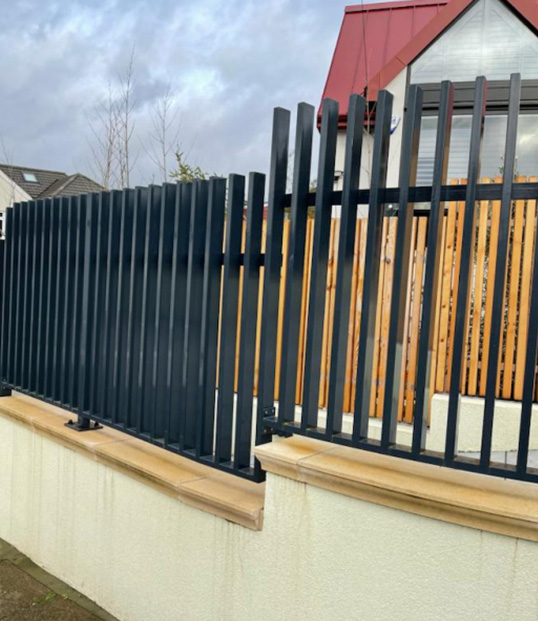

Bespoke Metal Fencing Designed Around Your Site
No two boundaries are exactly the same.
Ground conditions, changes in level, existing walls, access points, neighbouring properties and the required level of security can all affect the fencing specification.
That is why metal fencing should be selected around the site rather than simply choosing a panel style.
MS Metal can provide fencing solutions for:
- Residential property boundaries
- Commercial premises
- Industrial units
- Warehouses and storage yards
- Car parks
- Schools and institutional sites
- Access-controlled areas
- Commercial developments
- Service yards
- Perimeter security applications
The fencing system can be coordinated with matching pedestrian or vehicle gates where required.
Types of Metal Fencing We Install
The correct fencing system depends on what the boundary needs to achieve.
Some projects primarily require a clear physical boundary. Others need greater resistance to climbing or unauthorised access while retaining visibility across the site.
Palisade Fencing
Steel palisade fencing provides a robust perimeter barrier for sites where security and durability are important.
The system commonly consists of vertical steel pales fixed to horizontal rails between structural posts.
Its open construction preserves visibility across the boundary while creating a strong physical and visual deterrent.
Palisade fencing can be suitable for:
- Industrial premises
- Warehouses
- Storage yards
- Commercial sites
- Service compounds
- Utility areas
- Car parks
- Higher-security boundaries
The required fence height, pale profile, post configuration and fixing arrangement should be selected around the project requirements.
Where a project specifies fencing to BS 1722-12, the relevant manufacturing and installation requirements should be incorporated into the specification.
Typical Palisade Fencing Components
A palisade system may include:
- Steel posts
- Horizontal rails
- Vertical pales
- Fishplates
- Security fixings
- Post foundations or base plates
- Matching pedestrian gates
- Vehicle access gates
Protective finishing can include galvanising or an appropriate powder-coated system where specified.
Welded Mesh Fencing
Welded mesh fencing combines strong steel wire construction with good visibility through the perimeter.
The wire intersections are welded together to create rigid panels that can be fixed between steel posts.
This makes welded mesh suitable where security needs to be balanced with visibility.
Typical applications include:
- Schools
- Commercial premises
- Warehouses
- Offices
- Car parks
- Sports boundaries
- Residential developments
- Industrial compounds
Mesh aperture, wire diameter, panel height, post specification and fixing system should be selected according to the required performance.
Some security mesh systems use narrower apertures and anti-tamper fixings to make climbing and panel removal more difficult.
Where anti-intruder welded mesh fencing is specified, BS 1722-10 may be relevant to the project requirements.
Vertical Bar Metal Fencing
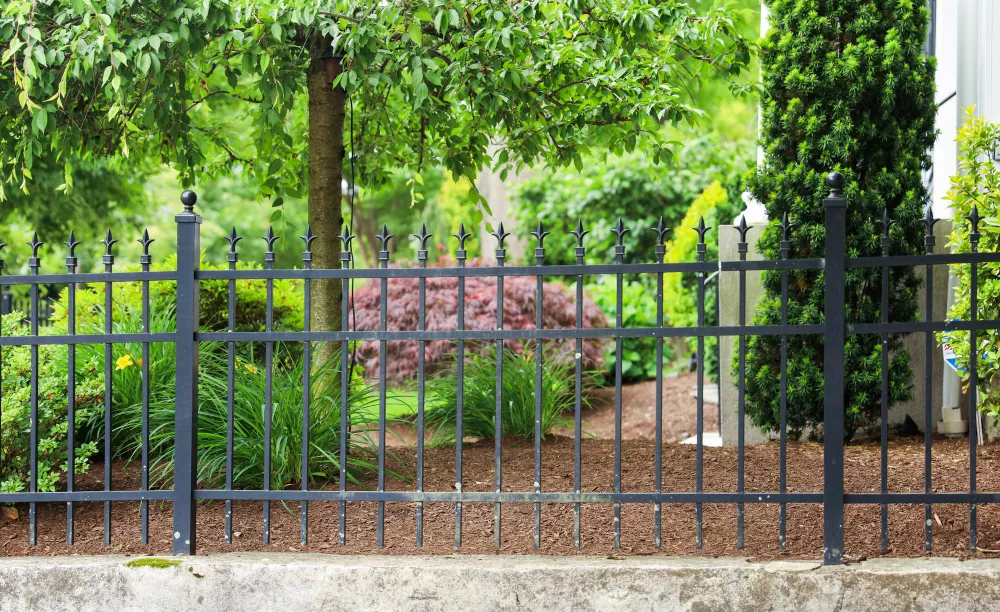
Vertical bar fencing provides a clean architectural appearance while creating a strong steel boundary.
Panels typically consist of vertical steel bars connected to horizontal rails and supported between posts.
The open arrangement maintains sightlines and can suit properties where security and visual appearance are both important.
Vertical bar fencing can be used around:
- Residential developments
- Schools
- Commercial properties
- Offices
- Public-facing sites
- Car parks
- Apartment developments
- Landscaped boundaries
Different bar profiles, panel heights, top details and finishes can be selected according to the required appearance.
Matching pedestrian or vehicle gates can also be incorporated into the boundary design.
Decorative Metal Fencing
Where appearance is a major part of the project, metal fencing can incorporate more decorative detailing.
Design options may include:
- Traditional vertical bars
- Finials
- Curved profiles
- Decorative metal elements
- Geometric patterns
- Contemporary minimalist panels
Decorative fencing can work particularly well around residential properties, entrance areas and landscaped commercial developments.
The visual design should still consider the required strength, boundary function and fixing arrangement.

Residential Metal Fencing Installation
Metal fencing can provide a durable boundary solution for homes and residential developments.
Residential projects may prioritise a combination of appearance, security and low maintenance.
Typical applications include:
- Front garden boundaries
- Side boundaries
- Driveway entrances
- Apartment developments
- Shared access areas
- Garden enclosures
Vertical bar fencing and decorative steel panels are often suitable where homeowners want to retain an open appearance.
Where additional privacy is required, the fencing design may need to be combined with other architectural or landscaping elements rather than simply increasing security features.
Matching entrance gates can help create a consistent boundary design.
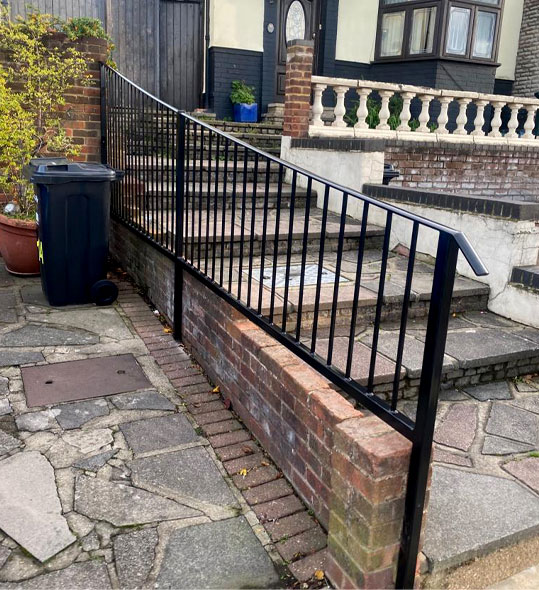
Commercial Metal Fencing Installation
Commercial sites usually place greater emphasis on access control, durability and perimeter management.
A fencing system should suit how the site operates throughout the day.
For example, a warehouse may need robust perimeter fencing coordinated with vehicle access gates, while an office development may require a more architectural system around public-facing areas.
Commercial applications can include:
- Offices
- Warehouses
- Retail premises
- Industrial units
- Business parks
- Storage compounds
- Car parks
- Service areas
- Schools
- Commercial developments
Welded mesh, vertical bar and palisade systems can each serve different levels of security and visibility.

Industrial and Security Fencing
Industrial environments often require stronger perimeter control.
Site risk, visibility, access points and adjoining land should all be considered when selecting the system.
Steel palisade and security mesh are commonly relevant where greater resistance to intrusion is required.
A security fencing specification may consider:
- Fence height
- Panel or pale geometry
- Post strength
- Post spacing
- Foundation requirements
- Anti-tamper fixings
- Gate security
- Clear sightlines
- Ground level changes
- Vehicle access locations
Security should be treated as a complete boundary system rather than looking at the fencing panels alone.
Gates, posts, fixings and access-control points can become weaknesses if they are not specified alongside the fence.
Metal Fencing Materials
Material choice affects fencing strength, corrosion resistance, appearance and long-term maintenance.
Mild Steel
Mild steel is commonly used for fabricated fencing, posts, rails, pales and associated components.
It provides good strength and can be:
- Cut
- Welded
- Drilled
- Shaped
- Fabricated into bespoke components
For external installations, mild steel normally requires an appropriate corrosion-protection system.
Galvanised Steel
Galvanising provides a zinc coating over fabricated steel to help protect it against corrosion.
It is widely used for external fencing because the steel is constantly exposed to rain, moisture and changing weather conditions.
Where hot-dip galvanising is specified for fabricated steel components, the coating specification can reference the relevant galvanising standard.
Powder-Coated Steel
Powder coating provides a coloured protective outer finish.
It allows fencing to be coordinated with:
- Gates
- Railings
- Doors
- Building façades
- Window frames
- Other architectural metalwork
RAL colour options can be specified according to the project.
Galvanised and Powder-Coated Fencing
For some applications, galvanising and powder coating can be combined as a duplex protective system.
The galvanised layer protects the steel substrate while the compatible powder-coated outer layer provides the required colour and appearance.
The coating specification should be selected according to the exposure environment.
Metal Fencing Components
A complete fencing installation includes considerably more than panels.
Depending on the system, components can include:
- Fence panels
- Steel posts
- Rails
- Pales
- Mesh panels
- Base plates
- Fixing brackets
- Clamps
- Bolts
- Security fixings
- Post caps
- Connection plates
- Concrete foundations
- Matching gates
The specification of these elements can affect the strength and durability of the whole boundary.
For this reason, posts, foundations and fixings should be considered at the same time as the visible fencing.
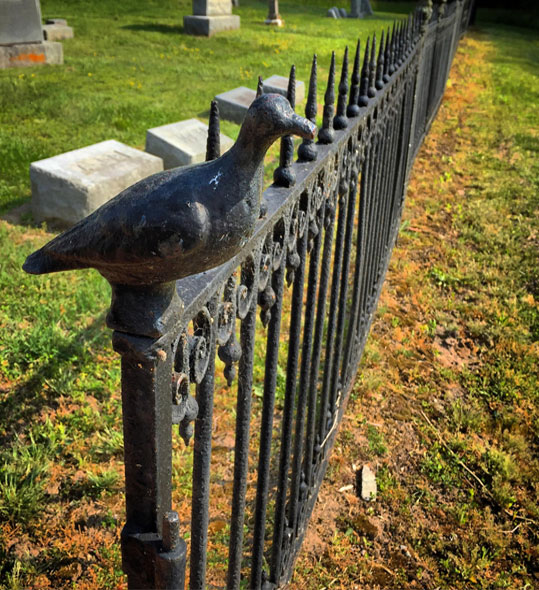
Concrete-In or Bolt-Down Fence Posts?
Fence posts can be installed in different ways depending on the site and supporting surface.
Concrete-In Posts
Concrete-in posts are embedded within prepared foundations.
They are commonly used where fencing is installed directly into soil or other suitable ground conditions.
Foundation dimensions should reflect:
- Fence height
- Fence type
- Ground conditions
- Site exposure
- Project specification
Bolt-Down Fence Posts
Bolt-down posts use base plates anchored to a suitable existing structure.
They may be appropriate for:
- Concrete slabs
- Concrete walls
- Structural foundations
- Selected retaining structures
The supporting substrate must be capable of carrying the loads transferred through the post and anchors.
Fixing a fencing system to an unsuitable wall or slab can compromise the entire installation.
Metal Fencing Finishes and Colours
The finish affects both the appearance and protection of external metal fencing.
Galvanised Finish
Galvanising gives steel a characteristic metallic finish while helping protect it against corrosion.
It is commonly used for commercial and industrial fencing.
Powder-Coated Finish
Powder coating can provide different colours and surface finishes.
Popular architectural choices often include darker neutral colours, although the selected RAL colour should reflect the specific project.
Galvanised and Powder-Coated Finish
A duplex system can combine galvanising with a compatible powder coating where additional protection and a coloured architectural finish are required.
The chosen finish should take account of environmental exposure and the expected maintenance regime.
How Does Metal Fencing Installation Work?
A structured installation process helps ensure the fence line, post positions, ground conditions and access points are understood before fitting begins.
Step 1: Initial Enquiry
Send us the property postcode, photographs and basic fencing requirements.
Useful information includes:
- Approximate boundary length
- Required fence height
- Preferred fencing type
- Number of gates
- Existing boundary condition
- Desired finish
Step 2: Site Survey
Where required, the site is surveyed to establish:
- Boundary dimensions
- Ground levels
- Existing structures
- Access restrictions
- Gate positions
- Changes in direction
- Potential installation constraints
Accurate information at this stage reduces problems during fabrication and fitting.
Step 3: Fencing Specification
The appropriate fencing system is agreed based on the site’s intended use.
This can include:
- Fencing type
- Height
- Panel configuration
- Post specification
- Fixing method
- Gate requirements
- Protective finish
Security requirements should also be established before the system is ordered or fabricated.
Step 4: Fabrication and Preparation
Where custom steelwork is required, components are cut, welded and prepared to the agreed dimensions.
Fabricated items can include:
- Posts
- Frames
- Brackets
- Base plates
- Gate components
- Custom connection details
Step 5: Protective Finishing
The agreed finish is applied before final installation where appropriate.
This may include:
- Hot-dip galvanising
- Powder coating
- A compatible duplex finish
Step 6: Post Installation
Fence posts are positioned according to the agreed panel spacing and fence line.
Posts may be:
- Concrete-set
- Base-plated
- Fixed to an appropriate structural substrate
Line, level and spacing are checked before panel installation.
Step 7: Panel Installation
Panels, rails or pales are installed between the prepared posts.
The exact fixing method depends on the fencing system.
Security fencing may use tamper-resistant bolts, clamps or proprietary fixing systems.
Step 8: Gate Installation
Where the fencing includes access points, pedestrian and vehicle gates are fitted into the agreed openings.
Gate posts usually require particular attention because they carry additional operational loads.
Step 9: Final Inspection
The finished installation is checked for:
- Fence alignment
- Post stability
- Panel levels
- Fixing security
- Surface condition
- Gate movement
- Locking operation
- Missing caps or components
Any damaged protective finish should be addressed using an appropriate repair method.
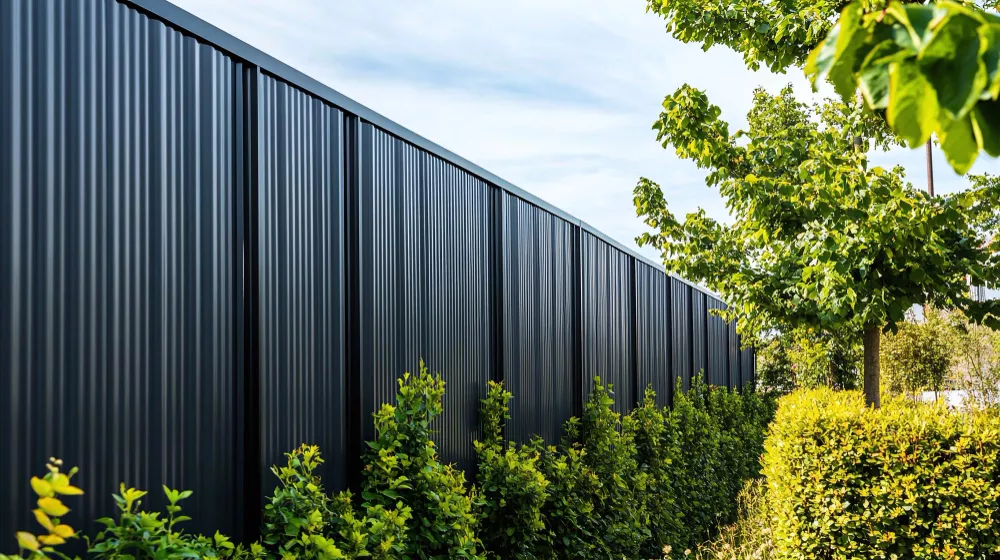
Metal Fencing Security and Specification
There is no single fencing specification suitable for every property.
The appropriate system depends on the site’s risk profile and intended use.
Factors to consider include:
- Required security level
- Fence height
- Visibility requirements
- Anti-climb characteristics
- Panel construction
- Post strength
- Fixing security
- Gate design
- Ground conditions
- Existing structures
For projects that require a formal security specification, the required standard or performance level should be confirmed before the fencing system is selected.
Metal Fencing Standards
Different fencing systems can fall under different British Standards.
BS 1722-12 — Steel Palisade Fencing
BS 1722-12 covers the manufacture and installation specification for steel palisade fences.
Where a project calls for fencing to this standard, the required system should be specified accordingly rather than simply describing any steel palisade fence as compliant.
BS 1722-10 — Anti-Intruder Mesh Fencing
BS 1722-10 covers anti-intruder chain-link and welded mesh fencing for applications requiring a greater degree of protection.
It applies to specific anti-intruder configurations rather than every decorative or general-purpose mesh fence.
Therefore, whether this standard applies depends on the project specification and proposed system.
Galvanising
Where appropriate, hot-dip galvanising of fabricated iron and steel components can be specified against the relevant galvanising standard.
The appropriate corrosion-protection specification should reflect both the product and its manufacturing method.
Do You Need Planning Permission for Metal Fencing?
Planning requirements depend on the fence location, height and property circumstances.
For properties in England, general permitted-development guidance commonly allows a new or altered fence, wall or gate without a planning application where it does not exceed:
1 metrein height when positioned next to a highway used by vehicles, including the footpath of such a highway.
2 metresin height in other locations.
These rules have exceptions.
Planning permission may still be required where, for example:
- The property is listed
- The boundary adjoins a listed building
- Permitted development rights have been removed
- An Article 4 direction applies
- Existing planning conditions restrict boundary treatment
Customers should check the specific planning requirements for their property with the relevant local planning authority before installation where there is uncertainty.
Matching Gates for Metal Fencing
Fencing and gates work best when designed as one boundary system.
MS Metal’s wider services include bespoke metal gates and gate automation.
A fencing project can therefore consider:
- Pedestrian gates
- Vehicle gates
- Swing gates
- Sliding gates
- Manual access gates
- Automated entrances where appropriate
Matching materials, profiles and finishes can create a consistent appearance across the full boundary.
Gate posts and foundations should be specified for the additional forces created by the moving gate leaf.

Metal Fencing Maintenance
Metal fencing is generally straightforward to maintain, but regular checks help identify damage before it becomes a larger problem.
Maintenance should consider:
Protective Finish
Check galvanised or powder-coated surfaces for damage, scratches or corrosion.
Fixings
Look for loose, damaged or missing bolts, clamps and brackets.
Posts
Check posts for movement, impact damage or signs of deterioration around ground level.
Panels
Inspect fencing panels for distortion or damage.
Gates
Check hinges, locking hardware, alignment and opening movement.
The appropriate inspection interval depends on the fencing type, environment and level of use.
A high-use industrial site may require more frequent checks than a residential boundary.
Why Choose MS Metal for Metal Fencing Installation?
MS Metal Fabrications Ltd provides bespoke metal fabrication and installation from its Barking base.
Our wider capabilities include:
- Site surveys
- CAD and project planning
- Custom metal fabrication
- Steel, stainless steel and aluminium work
- Galvanised steel components
- Powder-coated finishes
- Gates and access solutions
- Professional installation
Working with one metal fabrication company can make it easier to coordinate fencing, gates, posts, custom brackets and other fabricated components across the same project.
Metal Fencing Installation for Different Properties
Residential Properties
Suitable applications can include front boundaries, garden fencing, shared access areas and residential development boundaries.
Commercial Properties
Metal fencing can secure offices, retail premises, car parks and business sites while retaining a professional appearance.
Industrial Premises
Palisade or security mesh fencing can support perimeter protection around factories, warehouses, yards and industrial units.
Schools and Public-Facing Sites
Welded mesh or vertical bar fencing can provide clear boundary control while maintaining visibility.
Construction and Development Projects
Custom steel fencing, gates and related fabricated components can be manufactured around approved project drawings and site requirements.
Metal Fencing Installation Across London and the South East
MS Metal Fabrications Ltd is based in Barking, East London.
Our advertised service areas include:
- London
- Greater London
- Essex
- Kent
- Surrey
- Hertfordshire
- Sussex
- South East England
Send us the project postcode when requesting a quotation so we can assess the installation requirements and site location.
Metal Fencing Installation Quote Checklist
To help us review your fencing project, send as much of the following information as possible.
Property Information
- Site postcode
- Photographs of the existing boundary
- Residential, commercial or industrial use
Fencing Information
- Approximate total fence length
- Required fence height
- Preferred fencing type
- Palisade, welded mesh or vertical bar
- Number of corners or changes in direction
- Ground level changes
Gate Requirements
- Number of pedestrian gates
- Vehicle access required
- Approximate gate openings
- Manual or automated operation
Installation Details
- Soil, concrete or wall-mounted installation
- Existing fencing to remove
- Access restrictions
- Parking or lifting restrictions
Finish
- Galvanised
- Powder coated
- Preferred RAL colour
Project Information
- Drawings if available
- Required completion date
- Any specified standards or security requirements
You do not need every technical detail before making an enquiry. Photographs, approximate measurements and the property postcode provide a useful starting point.
Frequently Asked Questions About Metal Fencing Installation
MS Metal’s published fencing scope includes steel palisade fencing, welded mesh fencing and vertical bar systems.
The appropriate type depends on the property, security requirements, visibility and preferred appearance.
Yes. Palisade fencing forms part of MS Metal’s published metal fencing service.
It is particularly relevant to commercial, industrial and security-focused boundaries.
Yes. Welded mesh systems are included within MS Metal’s advertised fencing scope.
Different mesh configurations can suit different levels of boundary and security control.
MS Metal provides bespoke metal fabrication. Custom posts, frames, brackets and associated metalwork can therefore be considered where the project requires them.
Yes. Galvanised steel is included within MS Metal’s material and finishing capabilities.
The specific coating requirement should reflect the fencing system and intended environment.
Yes. Powder-coated finishes are available, including RAL colour options.
Yes. MS Metal also provides gates and gate-related services, allowing fencing and entrances to be coordinated as part of the same wider metalwork project.
The answer depends on the site’s risk level, required visibility, appearance and access requirements.
Palisade fencing may suit sites prioritising a strong perimeter barrier, while welded mesh can provide security with clearer visibility. Vertical bar systems can provide a more architectural appearance.
Welded mesh fencing can provide a secure perimeter when the panel specification, height, posts and fixings are appropriate for the site risk.
Where an anti-intruder specification is required, the relevant system should be selected rather than assuming all mesh panels offer the same security performance.
Not always.
Concrete-in posts are common where fencing is installed into suitable ground, while base-plated posts can sometimes be anchored to an appropriate structural substrate.
The fixing method depends on the site and fencing specification.
Cost depends on factors including:
- Total boundary length
- Fence height
- Fencing type
- Post and fixing arrangement
- Number of gates
- Site access
- Ground conditions
- Galvanising or powder coating
- Bespoke fabrication requirements
Send photographs, approximate measurements and your postcode for a project-specific quotation.
The programme depends on the project size, fencing system, fabrication requirements, site conditions, finishing specification and access.
A more accurate lead time can be established once the project requirements have been reviewed.
Not necessarily.
For properties in England, the permitted-development position depends on factors including fence height, proximity to a highway, listed-building status and local planning restrictions.
Where there is uncertainty, confirm the requirements with the relevant local planning authority before installation.
Request a Quote for Metal Fencing Installation
Need secure and durable metal fencing for your home, commercial property or industrial site?
MS Metal Fabrications Ltd provides bespoke metal fencing solutions, including palisade, welded mesh and vertical bar systems.
Send us your:
Our team can review the project and provide a quotation based on the required fencing system and installation scope.
MS Metal Fabrications Ltd
